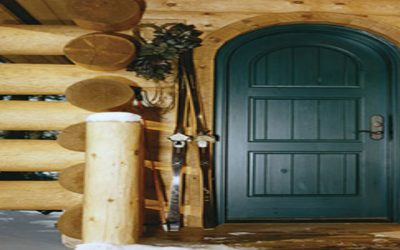
In Phoenix, AZ, exterior wood doors face conditions that quietly wear down finishes: strong sun exposure, high heat, windblown dust, and seasonal moisture swings during monsoon season. Over time, the protective layer that keeps a wood door looking rich and even begins to break down. Homeowners often notice fading or roughness first, but the bigger issue is that once the finish fails, the wood becomes more vulnerable to faster deterioration.
That’s why Wood door refinishing isn’t only a cosmetic upgrade. For many properties, it’s a maintenance step that protects the door’s surface, preserves the wood grain, and helps the entryway age more predictably. This explains why residential door refinishing matters in Phoenix, what signs indicate it’s time, and how to plan a maintenance routine with qualified door refinishing contractors.
Why Phoenix Climate Accelerates Finish Wear
Exterior wood finishes are designed to act as a barrier. They help reduce UV damage, limit moisture penetration, and create a smoother surface that resists dirt buildup. Phoenix challenges that barrier in a few distinct ways:
Intense UV Exposure
UV radiation can break down clear coats and stain pigments. This often shows up as:
- a washed-out tone (especially on sun-facing doors)
- uneven color patches
- a dull or chalky surface appearance
Heat And Temperature Swings
Wood expands and contracts as temperatures shift. Over time, that movement can stress the finish, especially on edges and raised panels. Even when the door itself remains solid, the finish may develop weak points where wear starts.
Dust And Grit
Windblown dust acts like fine sandpaper. When it settles on a door and is repeatedly wiped or rubbed, it can micro-scratch the finish, reducing shine and speeding breakdown—especially around handles and high-touch zones.
Monsoon Moisture Bursts
Even in a dry climate, monsoon storms can introduce sudden humidity and water contact. If a finish is already thin or compromised, moisture can enter vulnerable areas faster, leading to spotting, darkened patches, and edge wear.
What Regular Wood Door Refinishing Actually Prevents
When homeowners delay refinishing, the door doesn’t always “fail” immediately—but the risk profile changes. Refinishing at the right time can help prevent:
Deep Surface Drying And Grain Degradation
Once protection is gone, wood can appear excessively dry and rough. The grain may look raised or uneven, which can make the door feel harsh to the touch and harder to clean.
Uneven Blotching That’s Harder To Correct Later
Early fading is often more uniform. Later-stage finish failure tends to become patchy and blotchy, especially where sun hits hardest. Correcting advanced unevenness typically requires more intensive preparation.
Edge Wear And Water Entry Points
Edges, corners, and lower sections of exterior doors often wear first. These areas can become entry points for moisture, especially after storms or cleaning routines. Refinishing helps reseal those vulnerable zones.
Sticking Or Operational Friction
A compromised finish can contribute to rough operation in contact areas. While sticking can have multiple causes (alignment, swelling, hinge issues), keeping the finish intact helps reduce friction and surface roughness in common wear points.
Signs Your Door Needs Refinishing (Before It Gets Worse)
Homeowners usually notice one or more of these early warning signs:
Fading Or “Flat” Color
If the stain looks lighter, duller, or less even than it used to, UV exposure may be breaking down the protective layer.
Rough Or Dry Texture
If the door feels dry, slightly fuzzy, or no longer smooth, the finish may be thinning or worn through in spots.
Water Spots Or Dark Patches
Water spotting, streaks, or darkened areas can indicate the surface is absorbing moisture rather than repelling it.
Peeling, Flaking, Or Patchy Shine
If the finish looks uneven, some areas shiny, others matte, this often signals partial breakdown and inconsistent protection.
Rapid Re-Soiling Around Handles
When finish loses smoothness, dirt and oils can adhere more easily, especially in high-touch areas.
Catching these signs early is usually the most cost-effective moment to act, because surface prep can often be simpler and results more consistent.
How Often Should Phoenix Homes Refinish Exterior Wood Doors?
There isn’t a single universal schedule because exposure differs:
- Doors with full shade and overhangs may maintain finish longer
- West- or south-facing doors typically degrade faster due to sun intensity
- Doors near dusty streets or active landscaping can see more abrasive buildup
A practical approach is an annual visual check and an earlier refresh when finish begins to look thin or uneven. Waiting until the door looks severely worn often increases the scope of prep work required.
What Residential Door Refinishing Typically Involves
While each property is different, a professional process usually includes:
Assessment And Surface Preparation
A door refinisher evaluates:
- current finish condition
- sun damage patterns
- worn edges and high-touch zones
- areas that may need minor repair
Preparation typically focuses on removing compromised finish and smoothing the surface so the new finish bonds evenly.
Stain Matching Or Tone Adjustment
A major goal is consistency—either matching the existing color family or adjusting to a new tone while keeping the wood looking natural and balanced.
Protective Finish Application
This step is where longevity is won. A quality exterior protective coat is selected and applied to help resist UV and weather exposure in Phoenix conditions.
How To Choose Door Refinishing Contractors In Phoenix, AZ
A good contractor match isn’t only about availability. When evaluating door refinishing contractors, look for clarity on:
- Whether they perform wood door refinishing regularly (not as an occasional add-on)
- How they handle stain matching and tone consistency
- What their prep process includes (especially for sun-faded doors)
- How they protect surrounding areas and manage dust
- What maintenance recommendations they provide after the job is complete
If you’re gathering options, it helps to compare process details rather than only comparing price.
Simple Maintenance Tips To Extend Results
After refinishing, these habits help protect your investment:
- Wipe dust gently with a soft cloth (avoid harsh abrasives)
- Address small chips early to prevent moisture entry
- Keep sprinklers from hitting the door regularly
- Monitor sun-facing sides and edges for early dulling
- Use mild cleaners only when needed
Even small preventative steps can extend the time between refresh cycles.
Wood Door Refinishing In Phoenix, AZ For Homeowners
If your exterior door looks faded, feels rough, or shows patchy protection, refinishing can help restore both appearance and surface durability before damage becomes harder to correct. For a useful overview of process expectations and wood-focused refinishing options, start with areliable door refinishing service and use that information to plan your next residential door refinishing steps in Phoenix, AZ.