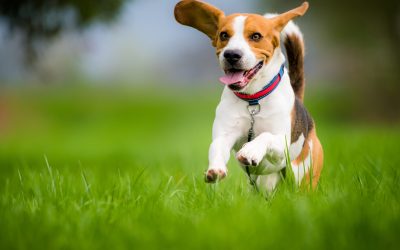
Dog walks should be calm, structured, and enjoyable, but many dogs become overexcited the moment the leash appears. Jumping, barking, leash pulling, spinning, and lunging are common signs of excitement that can make walks stressful instead of productive. Proper dog leash training and dog obedience training can help dogs stay calmer, focused, and easier to manage during daily walks.
Overexcitement during walks is not always a sign of bad behavior. In many cases, dogs simply lack impulse control, structure, or consistent walking routines. Professional dog training methods focus on teaching dogs how to stay engaged with their owner while remaining calm around distractions, other dogs, and stimulating environments.
Why Do Dogs Become Overexcited Before Walks?
Dogs naturally associate walks with stimulation, exploration, and excitement. Over time, if excitement is unintentionally rewarded, dogs can develop behaviors such as whining, barking, pulling, or pacing before going outside.
Several factors can contribute to leash excitement, including:
- Lack of daily structure
- Inconsistent walking routines
- Excess energy
- Minimal impulse control practice
- Overstimulation outdoors
- Reinforced pulling behaviors
For example, when a dog pulls forward and still gets to continue walking, the pulling behavior becomes rewarding. Dogs quickly learn that excitement and pulling help them reach what they want faster.
This is why structured dog obedience training is important early in a dog’s development.
How Does Leash Pulling Become a Habit?
Leash pulling often begins during puppyhood when dogs are allowed to move freely without clear walking expectations. As dogs grow stronger, the behavior becomes harder to control.
Pulling becomes habitual because it repeatedly works for the dog. Each time they pull toward another dog, person, smell, or object and successfully reach it, the behavior is reinforced.
Professional dog training methods focus on interrupting this cycle by teaching dogs that calm walking creates forward movement while pulling slows or stops the walk.
Over time, dogs begin learning self-control rather than reacting impulsively to everything around them.
What Are the Signs of Overstimulation During Walks?
Many dog owners assume their dog is simply energetic, but overstimulation often appears in predictable ways during walks.
Common signs include:
- Constant leash tension
- Jumping or spinning before walks
- Barking at people or dogs
- Lunging toward distractions
- Difficulty focusing on cues
- Rapid breathing or pacing
- Ignoring their owner outdoors
Dogs experiencing overstimulation may struggle to process cues because their excitement level is too high. Structured dog leash training helps lower arousal levels and improve focus during walks.
How Can Dog Leash Training Improve Walking Behavior?
Dog leash training teaches dogs how to walk calmly while remaining connected to their handler. Instead of allowing dogs to lead the walk, training establishes structure, communication, and predictable expectations.
Effective leash training often includes:
Rewarding Calm Walking
Dogs learn faster when calm behavior is consistently reinforced. Rewarding loose leash walking encourages dogs to stay near their owner instead of pulling ahead.
Practicing Engagement
Professional dog training often teaches dogs to check in with their handler regularly during walks. Eye contact and engagement exercises improve focus and reduce environmental distractions.
Managing Excitement Before Walks
Training begins before the walk even starts. Dogs should remain calm while the leash is being attached and while waiting at doors or gates.
Using Consistent Cues
Clear and consistent cues help dogs understand expectations during walks. Changing cues repeatedly can create confusion and slower progress.
These dog obedience training techniques help dogs understand boundaries while improving overall walking behavior.
Why Is Consistency Important in Dog Obedience Training?
Consistency is one of the most important parts of dog behavior improvement. Dogs learn through repetition and predictable routines.
If pulling is allowed during some walks but corrected during others, dogs receive mixed signals. Consistent expectations help dogs understand which behaviors lead to rewards and which behaviors do not.
This applies to:
- Walking pace
- Leash pressure
- Door manners
- Greeting behavior
- Focus exercises
- Reward timing
Professional dog training sessions help owners maintain consistency while learning how to reinforce calm behavior effectively.
How Does Mental Stimulation Affect Walking Behavior?
Many dogs become overexcited because they lack mental enrichment throughout the day. Walks become their primary outlet for stimulation, causing energy levels to spike immediately.
Mental stimulation activities can help reduce this excitement, including:
- Puzzle toys
- Structured obedience practice
- Scent games
- Short training sessions
- Controlled play routines
Combining mental stimulation with dog leash training often creates calmer and more focused walking behavior over time.
Can Professional Dog Training Help With Excited Walk Behavior?
Some dogs improve quickly with consistent home practice, while others benefit from professional guidance. Professional dog training provides structured techniques tailored to a dog’s energy level, temperament, and behavioral challenges.
Training sessions often focus on:
- Reducing leash pulling
- Improving engagement outdoors
- Building impulse control
- Reinforcing calm walking habits
- Addressing reactivity around distractions
Structured leash training also helps owners better understand how their dog communicates during stressful or exciting situations.
Dogs that struggle with overexcitement can benefit from consistent routines and trusted dog behavior sessions designed to improve focus and walking manners in real-world environments.
How to Build Better Walking Habits Over Time
Improving walking behavior takes patience and repetition. Most dogs will not change habits overnight, especially if pulling and overexcitement have existed for a long time.
To build better walking habits:
- Keep walks structured and predictable
- Reward calm behavior consistently
- Avoid allowing pulling to succeed
- Practice short training exercises daily
- Stay patient during setbacks
- Focus on gradual improvement
Small improvements during each walk eventually create lasting behavioral changes.
Helping Dogs Stay Calm During Walks in Surprise, AZ
Overexcited walking behavior can improve with consistent structure, proper leash guidance, and focused obedience work. Dogs that practice calm walking habits regularly are more likely to develop better leash manners and stronger focus outdoors. Learn more about trusted dog behavior sessions to help build safer, calmer, and more enjoyable walks for both dogs and their owners.