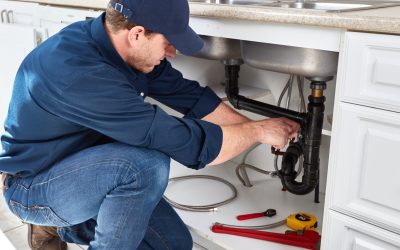
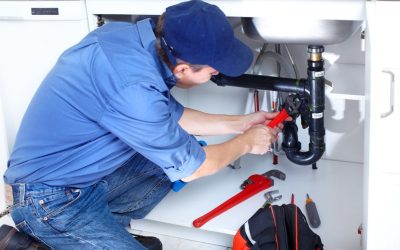
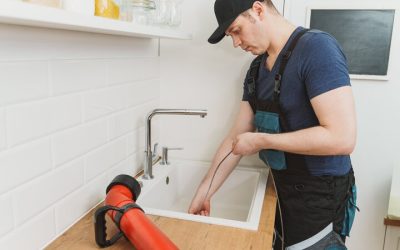
When plumbing problems strike, your first instinct may be to search online for a plumber near me and pick the nearest result. But not all plumbers are created equal. If you want work done correctly, safely, and up to code, hiring a licensed plumber is essential. Whether you’re dealing with a leaky faucet, a clogged drain, or a full system upgrade, a license signifies that the professional has the knowledge and training to do the job right.
In this guide, we’ll explain what you should expect from a licensed plumber and how they differ from unlicensed handymen. We’ll also look at how quality residential plumbing services protect your home—and your wallet.
Why Licensing Matters in Plumbing
Plumbing licenses aren’t just a formality. In most states, they are issued by a government or regulatory board and require plumbers to complete education, apprenticeships, and pass certification exams. These credentials confirm that a plumber understands:
• Local building codes
• Safety regulations
• Proper installation and repair techniques
• Environmental and health standards
Unlicensed plumbing work can lead to water damage, structural issues, and even health hazards if cross-contamination occurs between potable water and wastewater systems. In some cases, insurance companies may deny claims related to unlicensed work.
A licensed plumber also carries liability insurance and bonding, offering homeowners added protection if something goes wrong during a job.
Services You Can Expect from a Licensed Plumber
A licensed professional provides far more than just fixing leaks. They are qualified to handle a range of residential plumbing services, including:
- Plumbing System Installation
From repiping an old home to installing water heaters and garbage disposals, a licensed plumber ensures all systems are installed to meet code requirements. - Leak Detection and Pipe Repairs
Using advanced tools like thermal imaging and acoustic sensors, licensed plumbers can locate hidden leaks and perform durable repairs that prevent future issues. - Drain Cleaning and Sewer Line Work
A simple clog might require snaking, but complex issues like sewer backups or line collapses need the expertise of a trained and certified professional. - Fixture Repairs and Replacements
Whether it’s a faucet, toilet, or shower valve, a licensed plumber ensures fixtures are installed properly and won’t cause water damage down the line. - Preventive Maintenance
Many plumbers offer annual check-ups to spot minor issues before they become major expenses.
In every case, a licensed plumber works with safety and compliance in mind—something that becomes especially important during inspections, remodels, or real estate transactions.
How to Choose the Right Plumber Near You
Searching for a plumber near me can generate dozens of results, but here are a few tips to help you choose the right one:
• Verify the license – Always ask for their license number and verify it with your state’s licensing board.
• Check insurance coverage – Ensure they’re bonded and insured to protect your property.
• Read reviews – Look for consistent feedback on professionalism, punctuality, and pricing.
• Request estimates – A reputable plumber provides transparent pricing with no hidden fees.
• Ask about guarantees – Licensed plumbers typically back their work with warranties.
Choosing a trusted and licensed service partner like Cure All Plumbing ensures that you’re working with qualified professionals who stand behind their work.
The Cost of Cutting Corners
While it may be tempting to hire an unlicensed handyman for a lower upfront cost, that decision often leads to bigger problems down the road. Here’s why:
• Code violations can lead to fines or failed inspections.
• Improper installations may void warranties on appliances or fixtures.
• Hidden leaks from poor workmanship can cause mold, structural damage, and costly repairs.
• Legal liability if someone is injured due to faulty plumbing in your home.
In short, what seems like a cheaper option can end up being far more expensive when you factor in rework, repairs, and potential damage.
Final Thoughts
When it comes to plumbing, skill and certification matter. A licensed plumber brings a level of training, professionalism, and accountability that protects your home and ensures long-term performance. Whether you need routine maintenance or an emergency repair, choosing a provider of trusted residential plumbing services makes all the difference.
Next time you search for a plumber near me, don’t just look at the distance—look at the credentials. For peace of mind and quality workmanship, always opt for a licensed service partner who can handle the job right the first time.