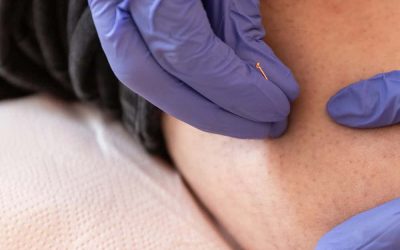
Sports injuries are a common setback for athletes and active individuals, often leading to pain, limited mobility, and longer recovery times. Shockwave therapy has become an increasingly popular treatment option for accelerating recovery and managing sports-related injuries. By using high-energy acoustic waves, this non-invasive therapy promotes healing, reduces pain, and helps athletes get back to their training faster. For those in San Diego, shockwave therapy can be a game-changer for anyone dealing with sports injuries or chronic pain.
What Is Shockwave Therapy?
Shockwave therapy, or extracorporeal shock wave therapy (ESWT), involves delivering high-energy sound waves to the injured or painful areas of the body. These sound waves create microtrauma within the tissue, which helps stimulate the body’s natural healing process. The acoustic waves enhance blood circulation, reduce inflammation, and promote the regeneration of damaged tissues. Shockwave therapy has been used for years in Europe and has recently gained popularity in the United States as a treatment for sports injuries, chronic pain, and musculoskeletal conditions.
How Does Shockwave Therapy Help with Sports Injuries?
Sports injuries often involve damage to the soft tissues, such as muscles, tendons, and ligaments. These injuries can result from repetitive strain, overuse, or acute trauma. Shockwave therapy helps heal these injuries by targeting the underlying causes of pain and promoting tissue repair. Below are the primary ways shockwave therapy benefits sports injury recovery:
1. Stimulating Healing and Tissue Regeneration
When sports injuries occur, damaged tissues, such as tendons or muscles, take time to heal. Shockwave therapy accelerates this healing process by promoting collagen production, a key protein that supports tissue repair. The therapy stimulates the body to produce new blood vessels, enhancing blood flow to the injured area, which speeds up recovery and reduces the time it takes for tissues to regenerate.
2. Reducing Pain and Inflammation
Inflammation is a natural response to injury, but it can also contribute to prolonged pain and discomfort. Shockwave therapy helps reduce inflammation by improving circulation and reducing the amount of swelling in the injured area. In addition, shockwave therapy stimulates the release of endorphins, the body’s natural painkillers, providing relief from pain and discomfort. This makes it easier for athletes to return to their sport or activity with reduced pain.
3. Improving Mobility and Flexibility
Sports injuries can lead to stiffness and reduced range of motion, which can hinder an athlete’s ability to perform at their best. Shockwave therapy improves flexibility and mobility by breaking down scar tissue and reducing muscle tightness. By enhancing tissue elasticity, shockwave therapy restores movement in the injured area, allowing athletes to regain strength and flexibility as they recover.
4. Preventing Future Injuries
In addition to promoting faster recovery from current injuries, shockwave therapy can help prevent future injuries. By improving the health of tendons, ligaments, and muscles, shockwave therapy ensures that tissues are more resilient and less likely to become injured in the future. It also helps correct any imbalances in the body, such as poor posture or improper movement patterns, that could lead to re-injury.
Common Sports Injuries Treated with Shockwave Therapy
Shockwave therapy is effective for a wide range of sports injuries, particularly those involving soft tissues and chronic pain. Some of the most common sports injuries treated with shockwave therapy include:
- Plantar Fasciitis: Inflammation of the plantar fascia, which causes pain in the heel and bottom of the foot.
- Achilles Tendonitis: Inflammation of the Achilles tendon, often caused by repetitive strain or overuse.
- Tennis Elbow (Lateral Epicondylitis): Pain and inflammation in the elbow, caused by repetitive motion.
- Rotator Cuff Injuries: Damage to the tendons in the shoulder, commonly seen in overhead athletes like tennis players or swimmers.
- Patellar Tendonitis (Jumper’s Knee): Inflammation of the tendon connecting the kneecap to the shinbone, common in athletes who jump frequently.
Whether the injury is acute or chronic, shockwave therapy can help relieve pain and promote the healing of damaged tissues, allowing athletes to return to their sport more quickly.
What to Expect During a Shockwave Therapy Session
A typical shockwave therapy session lasts between 10 and 20 minutes, depending on the size of the area being treated. The chiropractor will first apply a gel to the treatment area to ensure proper contact between the skin and the shockwave device. The device will then deliver focused acoustic waves to the injured area.
Patients may feel a mild to moderate sensation during the therapy, often described as a tapping or pressure sensation. The intensity of the treatment can be adjusted based on the patient’s comfort level. While the procedure is generally well-tolerated, some individuals may experience mild soreness in the treated area following the session, similar to the feeling of having stretched muscles after exercise.
For optimal results, multiple sessions are often recommended, with treatments typically scheduled once a week. Many patients begin to notice improvements after just a few sessions, with significant pain reduction and improved mobility after completing the full course of treatment.
Is Shockwave Therapy Right for You?
Shockwave therapy is a safe and effective treatment for many sports injuries and chronic pain conditions. However, it may not be suitable for everyone. Individuals with certain medical conditions, such as pregnancy, blood-clotting disorders, or active infections, may not be candidates for shockwave therapy. It is important to consult with a healthcare provider to determine if shockwave therapy is the right treatment for your specific condition.
A trusted chiropractor in San Diego can assess your injury, discuss your treatment options, and determine whether shockwave therapy is appropriate for you. This non-invasive therapy can be used alone or as part of a comprehensive pain management plan that includes other treatments, such as physical therapy, massage, or chiropractic care.
The Bottom Line: Shockwave Therapy for Faster Recovery from Sports Injuries
For athletes and active individuals in San Diego, shockwave therapy offers a non-invasive, effective solution for treating sports injuries and chronic pain. By promoting healing, reducing pain, and improving mobility, shockwave therapy accelerates recovery and helps prevent future injuries.
If you are dealing with a sports injury and want to explore shockwave therapy as part of your recovery plan, consult with a trusted chiropractor in San Diego to discuss your options and learn more about how this innovative treatment can help you get back to your active lifestyle faster.