High-traffic households in Surprise, AZ, whether that means kids running through the hallway, pets scrambling around corners, or frequent entertaining, put daily stress on every surface. When homeowners search best flooring installation near me, they’re often trying to solve a durability problem, not just choose a style. The right material matters, but the installation details (subfloor prep, moisture control, transitions, and finishing) usually determine whether the result holds up for years or starts showing issues quickly.
Below is a contractor-informed guide to custom flooring installation choices and methods that tend to perform best in busy homes, along with what to ask a flooring installation contractor before work begins.
What “High-Traffic” Really Means For A Home
“High traffic” isn’t just about how many people walk through a space, it’s how the surface is used:
- Entryways and great rooms collect grit and moisture (especially during monsoon season or after yard work).
- Kitchens face dropped items, chair movement, and frequent cleaning.
- Hallways take repeated, directional wear that can reveal weak seams or poor prep.
- Homes with pets add claw abrasion and occasional moisture events.
In Surprise, heat, dust, and indoor/outdoor living can amplify these stresses. That’s why contractors often focus on both material selection and installation methods that reduce movement, protect edges, and improve long-term stability.
Which Materials Contractors Often Recommend For Durability
A reliable flooring installation contractor will usually match product performance to the exact room function. For high-traffic areas, recommendations often center on these categories:
Luxury vinyl plank (LVP) or luxury vinyl tile (LVT)
Popular for busy homes because it’s easy to maintain and tends to resist scratches and dents better than many traditional options. The key is choosing a quality wear layer and ensuring the substrate is properly prepared so edges don’t flex over time.
Porcelain or ceramic tile
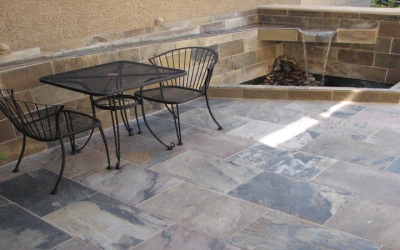
Often recommended for entryways, kitchens, and open living spaces where durability and cleanability matter. Tile performance depends heavily on flatness, correct underlayment, and grout/expansion details, installation quality is critical.
Engineered wood (in select spaces)
Engineered wood can work in high-traffic homes if homeowners want a real-wood look, but contractors usually recommend careful product selection and a realistic plan for maintenance. It’s less forgiving of moisture and grit than vinyl or tile.
Laminate (high-quality only)
Some modern laminates handle wear well, but performance varies significantly. Contractors typically pay attention to water resistance at seams and whether the product is appropriate for the home’s lifestyle and cleaning habits.
If you’re comparing options after searching best flooring installation near me, ask specifically how the material performs in your most-used spaces (kitchen, entryway, hallways), not just in a showroom.
Why Subfloor Prep Is The Real Difference-Maker
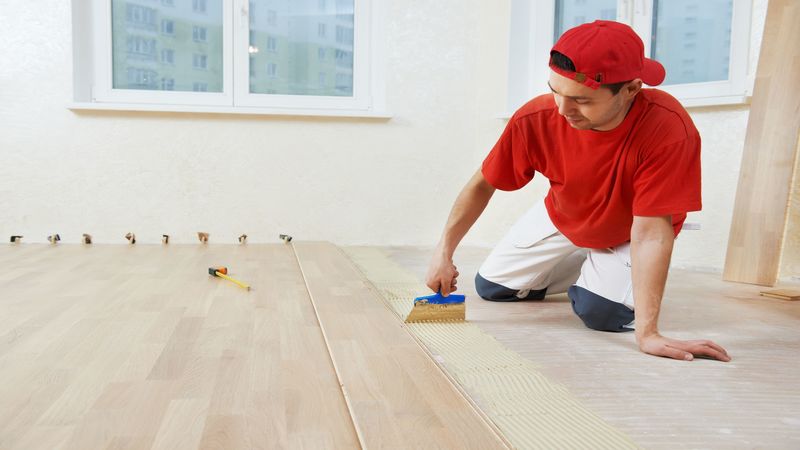
In high-traffic homes, the most common long-term complaints trace back to subfloor conditions, not the product itself. A contractor’s recommendations usually include:
1) Flatness and leveling
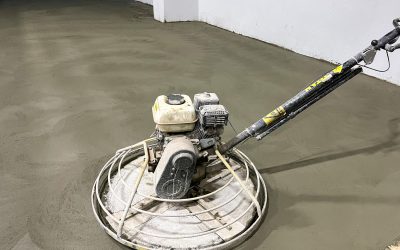
Minor dips and high spots can cause seams to separate, edges to flex, or tile to crack. Proper leveling and patching help prevent movement and noise.
2) Moisture assessment
Moisture testing matters even in dry climates. Concrete slabs and seasonal shifts can impact certain installation systems. Contractors may recommend moisture barriers or specific adhesives depending on conditions.
3) Structural stability
For raised foundations or older subfloors, squeaks and flex can worsen over time. Reinforcement, underlayment choices, and fastening methods should match the substrate.
This is where custom flooring installation becomes more than a design preference, it’s tailoring the installation approach to the home’s structure and daily use.
Installation Details That Protect High-Traffic Areas
Contractors often recommend paying attention to the “small” details because they take the most abuse:
Transitions and thresholds
Proper transitions reduce edge chipping and prevent tripping points. In open layouts common in Surprise, transitions can also support natural movement between rooms.
Expansion gaps and perimeter planning
Many materials need room to expand and contract. Skipping expansion requirements can cause buckling or edge stress later—especially with large continuous areas.
Stair noses and edges
Stairs and step-down areas see concentrated wear. Contractors typically recommend durable nosing systems and careful edge finishing to prevent premature damage.
Baseboards and trim coordination
When trim is done correctly, it protects edges and creates a clean finish that can make maintenance easier. It also helps keep grit from collecting in gaps where debris can grind against seams.
If you’re working with a flooring installation contractor, ask what they include by default versus what’s considered an upgrade, especially for transitions, underlayment, and moisture control.
What To Ask When You’re Searching “Best Flooring Installation Near Me”
When homeowners in Surprise search for best flooring installation near me, they’re usually trying to reduce risk: poor prep, delays, unexpected add-ons, or a finish that doesn’t last. These questions help keep the project grounded:
- How will you evaluate flatness and what level of leveling is included?
- Will you test moisture (especially on concrete) and recommend a barrier if needed?
- What underlayment or setting materials do you use for high-traffic areas?
- How do you handle transitions in open layouts?
- What’s the realistic timeline from prep to completion?
•What maintenance routine do you recommend for this specific product?
For more detail on what to expect from a professional flooring installation contractor, homeowners can reference this resource from Lauritsen Flooring.
Realistic Timelines And How To Prepare Your Home
High-traffic homes often have more furniture, more daily movement, and less downtime—so the installation plan matters. Contractors may recommend:
- Clearing pathways and staging furniture in zones
- Planning for drying/curing time (adhesives, grout, leveling compounds)
- Keeping pets out of work areas for safety and finish protection
- Confirming temperature control inside during installation (especially for adhesives)
A well-structured timeline helps protect the finish and reduces “rush decisions” that can affect durability.
For homeowners comparing options after searching for the best flooring installation near me, reviewing how experienced teams approach subfloor prep, material selection, and long-term durability can be helpful. Resources from a professional flooring installation contractor also outline how custom flooring installation is planned for high-traffic homes, including considerations specific to Arizona climates and active households.