A roof is one of the most important investments in your home, protecting it from the elements and providing shelter. To ensure that your roof remains in optimal condition for years, regular roof maintenance is essential. A well-maintained roof not only looks good but also ensures your home stays dry, safe, and energy-efficient.
Why Roof Maintenance Matters
Roof maintenance is crucial for preventing small issues from turning into major problems. By keeping up with regular inspections and repairs, you can avoid costly damage that might otherwise occur. Additionally, maintaining your roof helps improve its lifespan, enhances energy efficiency, and ensures your home is protected from water damage and the harsh elements. Here are the main benefits of regular roof maintenance:
- Prolongs the Roof’s Lifespan: A well-maintained roof can last significantly longer than a neglected one. Proper maintenance can increase the lifespan of your roof by several years.
- Prevents Expensive Repairs: Catching issues early, such as loose shingles or blocked gutters, prevents them from turning into major problems that could require expensive repairs or a full roof replacement.
- Enhances Energy Efficiency: A well-maintained roof improves your home’s insulation, helping you save on energy costs by regulating temperature more effectively.
Essential Roof Maintenance Tips
1. Regular Roof Inspections
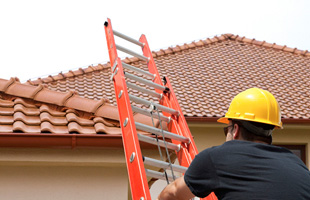
Routine inspections are the foundation of good roof maintenance. Inspecting your roof twice a year—ideally in the spring and fall—can help you catch any issues early. After a particularly strong storm, it’s also advisable to inspect your roof to ensure it’s still in good condition. During an inspection, check for the following:
- Missing, cracked, or curled shingles.
- Damaged flashing around chimneys, vents, and skylights.
- Debris accumulation in gutters and valleys.
- Signs of water stains on the ceiling or walls inside your home.
- Loose or damaged ridge caps and roof vents.
If you’re unsure of what to look for or can’t safely access the roof, consider hiring a professional for a thorough inspection.
2. Keep Gutters and Downspouts Clean
Gutters play an important role in protecting your roof by directing water away from the house. However, if they become clogged with leaves, twigs, or other debris, they can’t function properly. This can lead to water backup, which may damage your roof, gutters, or even the foundation of your home.
Cleaning gutters at least twice a year, or more often if you live in a heavily wooded area, helps prevent debris buildup. Make sure downspouts are clear and direct water away from the foundation. Consider installing gutter guards to reduce the amount of debris that enters your gutters.
3. Remove Debris from the Roof Surface
Leaves, branches, and other debris can accumulate on your roof, blocking drainage and contributing to water damage. Regularly remove debris from your roof to ensure proper water runoff. This is especially important during the fall when leaves can easily clog roof valleys. Use a broom or leaf blower to clear the surface, but avoid using a pressure washer, as this can damage shingles.
4. Inspect and Maintain Flashing
Flashing is a vital component of your roof, as it helps seal areas around chimneys, vents, and skylights. Over time, flashing can become loose, cracked, or damaged, allowing water to seep in. Inspect the flashing regularly for signs of wear and tear, and replace any damaged sections promptly. If you notice any leaks around these areas, it’s important to repair them quickly to prevent water damage to the interior of your home.
5. Trim Overhanging Branches
Trees can provide shade and beauty to your home, but overhanging branches pose a risk to your roof. During storms or high winds, branches can break off and damage your shingles or gutters. Over time, branches that touch the roof can also cause wear and tear, leading to abrasions and damage to the roofing material. Trimming branches that hang near or over the roof can prevent damage and ensure the longevity of your roof.
6. Address Roof Storm Damage Promptly
Roof storm damage repair is crucial after a heavy storm, as even minor damage can lead to significant issues if left unchecked. After a storm, inspect your roof for any visible signs of damage, including missing shingles, dents, or cracks. If you notice anything unusual, it’s important to address it quickly to avoid leaks and water damage.
For more extensive damage, or if you’re unsure of the extent of the damage, it’s best to call in professional roof repair services. They can assess the damage and perform the necessary repairs to prevent further complications.
Roof Storm Damage Repair: What to Do After a Storm
Storms can be hard on your roof, and severe weather conditions can cause significant damage. If your area experiences strong winds, hail, or heavy rain, it’s essential to perform a quick inspection to assess any storm damage. Common signs of roof storm damage include:
- Missing shingles or tiles.
- Hail damage, such as dents or cracks in roofing materials.
- Damaged flashing around vents, chimneys, or skylights.
- Water spots or leaks in the attic or ceiling.
If you notice any of these issues, call a professional roofing company to carry out repairs. Delaying roof storm damage repair can lead to leaks, mold growth, and even structural damage to your home.
Roof Repair Services: When to Call a Professional
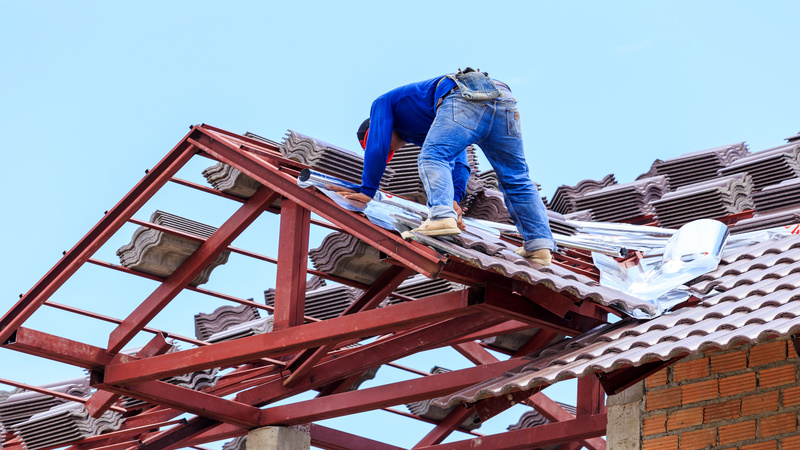
While some minor maintenance tasks can be handled by homeowners, more complex roof repairs should always be left to the professionals. If you notice significant damage after a storm or spot a leak that’s hard to trace, professional roof repair services are necessary. A professional roofer has the experience and tools to fix the problem efficiently and safely.
For roof repair near me, it’s essential to hire a reputable, local company that understands the unique challenges posed by the weather conditions in your area.
A trusted partner like All About Roofing can provide comprehensive roof inspections and timely repairs to ensure that your roof remains in top condition year-round.