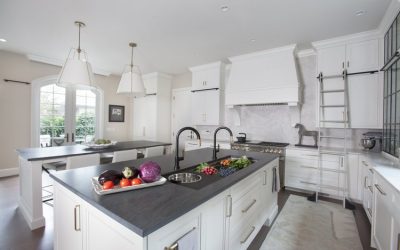
Antique vintage home decor can add warmth, texture, and personality to a modern kitchen without making the space feel dated. The key is to combine older decorative pieces with practical kitchen accessories through balanced materials, thoughtful placement, and a consistent color palette.
In Fresno, CA, kitchens often serve as both workspaces and gathering areas. Blending vintage character with modern function creates a room that feels collected over time while remaining comfortable, efficient, and easy to maintain.
Why Do Antique and Modern Elements Work Well Together?
Antique pieces bring visual history, craftsmanship, and natural imperfections into a room. Modern kitchen accessories offer clean lines, reliable function, and materials designed for everyday use. When these qualities are combined, each style can make the other more noticeable.
A weathered wooden board, aged ceramic vessel, or old framed print can soften glossy cabinets and stainless steel appliances. In return, uncluttered counters and simple fixtures prevent vintage objects from making the kitchen appear crowded.
The goal is not to divide the room into old and new sections. Distributing both styles throughout the space creates a more connected result.
Which Antique Vintage Home Decor Pieces Suit a Kitchen?
Useful objects often integrate more easily than purely decorative items. Vintage cutting boards, stoneware crocks, wooden bowls, metal trays, glass jars, and framed botanical prints can contribute character while supporting the kitchen’s purpose.
Older stools, small shelves, and narrow cabinets may also work when their size matches the available space. Before using an antique item for food storage or preparation, check its condition, finish, stability, and ease of cleaning.
Chipped ceramics, unknown glazes, peeling paint, or heavily corroded metal should be treated as display pieces rather than food-contact surfaces. Careful placement allows homeowners to appreciate older objects without creating unnecessary risks.
How Should Modern Kitchen Accessories Be Selected?
Modern accessories should support everyday routines rather than exist only for appearance. Utensil holders, soap dispensers, countertop organizers, serving boards, canisters, and dish racks should be durable, easy to clean, and appropriately sized.
Simple shapes usually pair well with antique accents. Matte metal, clear glass, neutral ceramics, natural wood, and woven fibers can bridge the gap between periods. Accessories do not need to match exactly, but repeating one or two materials creates continuity.
Color can also unify the design. Warm white, charcoal, muted green, soft brown, and natural wood tones work well with many forms of antique vintage home decor. Brighter shades can appear in smaller amounts through linens, artwork, or seasonal pieces.
How Can Home Decor Be Layered Without Creating Clutter?
Begin with the largest visual elements, such as cabinetry, counters, lighting, and furniture. Then add a limited number of medium-sized accents before introducing smaller objects. This sequence helps maintain proportion and prevents surfaces from becoming crowded.
Counters should retain enough open space for meal preparation. Grouping objects on a tray or board can make several items appear like one intentional arrangement. A modern soap dispenser, small vintage bowl, and folded towel can form a practical sink-side grouping.
Open shelves should include negative space between objects. Alternating useful items with decorative pieces creates rhythm while keeping frequently used dishes easy to reach.
Where Should Vintage Accents Be Placed?
Placement should reflect how the kitchen is used. Items near the stove should tolerate heat and cooking residue, while delicate artwork and textiles belong farther from moisture and splashes.
A vintage crock may hold utensils beside the range. A wooden bowl can serve as a produce container on an island. Antique trays may organize oils or seasonings, and older framed art can bring character to an empty breakfast nook wall.
Corners, cabinet tops, and narrow wall sections can display less frequently handled items. However, decorating every available surface makes cleaning difficult. A few carefully selected focal points usually create a stronger result.
What Common Decorating Mistakes Should Be Avoided?
Using too many objects from one historical period can make a kitchen feel staged rather than lived in. Mixing eras, textures, and shapes generally produces a more relaxed effect.
Another mistake is ignoring scale. Small accessories can disappear on a large island, while oversized pottery may limit workspace. Measuring shelves, counters, and wall areas before shopping helps ensure each item fits visually and physically.
Homeowners should also avoid selecting pieces solely because they appear old. Condition, usefulness, material quality, and personal meaning matter more than age alone. Strong home decor choices should support the room rather than compete with it.
Bring Character and Function Into the Kitchen
Create a kitchen that feels personal by pairing practical accessories with distinctive vintage accents. Explore timeless home décor selections to find pieces that support warmth, organization, and everyday use. Focus on balanced materials, useful placement, and open counter space so your Fresno kitchen remains inviting, efficient, and visually connected from one carefully chosen detail to the next through every season.