When to Choose Custom Embroidered Clothing Over Printed Apparel
Custom apparel plays an important role in how a business, organization, or team presents itself. In Phoenix, AZ,...
Read article →Home / Screen Printing / Article
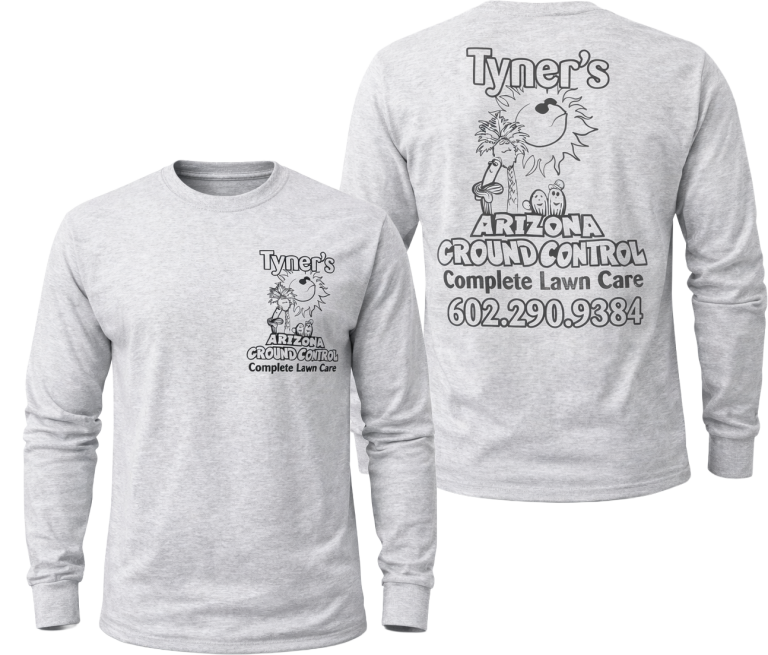
A logo may be suitable for embroidery but still need the right garment, size, and placement to produce a clear, balanced result. Before ordering embroidered apparel, it helps to evaluate the logo and clothing together rather than choosing each one separately.
That matters because embroidery is created with thread stitched directly into the material. A smooth polo, structured hat, lightweight shirt, and heavier jacket do not provide identical surfaces, so the same logo can present different considerations depending on where it is used.
For businesses and organizations in Phoenix, choosing clothing with the decoration method in mind can make the ordering process much easier.
Embroidery becomes part of the garment itself.
Unlike a digital logo that appears on a perfectly flat screen, an embroidered design has to work with a physical material that may stretch, bend, fold, or have noticeable texture.
Garments also differ in:
Those differences can influence how a logo should be sized, positioned, and prepared.
A customer planning custom embroidered clothing should therefore avoid deciding that a logo “works for embroidery” without also considering the item receiving it.
A logo may be appropriate for a polo but require different planning when used on a cap, jacket, or another garment.
A smoother surface can provide a more straightforward foundation for certain embroidered designs, particularly when the logo contains smaller lettering or multiple closely spaced elements.
That does not mean textured clothing cannot be embroidered. It means texture becomes one of the variables that should be considered.
Imagine a company logo containing a business name, a small symbol, and a short line of supporting text.
On a relatively smooth garment, the individual elements have a clean surface behind them. On a highly textured material, the visual relationship between the stitches and the garment may feel different.
The question should not be whether one fabric is universally “good” or “bad.”
Instead, ask:
Does this garment provide an appropriate surface for this particular logo at the size and placement being considered?
That is a much more useful way to make an apparel decision.
It can.
A heavier garment and a lightweight shirt do not react to stitching in exactly the same way. The structure of the material is one reason embroidery providers consider the garment when preparing a design.
A jacket, for example, may support an embroidered company mark differently than a very lightweight piece of apparel.
This does not mean customers need to understand embroidery equipment, stitch settings, or technical production specifications.
Their role is to provide context.
Useful information includes:
A professional provider can then evaluate the combination instead of asking the customer to make production decisions independently.
Stretch is another characteristic worth discussing before an order is finalized.
When a garment moves significantly with the wearer, the decorated area also moves. That can affect how the embroidered section behaves and how the finished piece feels.
The practical takeaway is not that stretchy garments should automatically be avoided.
It is that the garment should be selected intentionally.
If the customer has a specific type of apparel in mind, it is better to share that preference early rather than finalize the logo treatment first and choose the clothing afterward.
Customers comparing custom clothing printing and embroidery may also find that one decoration approach makes more sense than another depending on the artwork, garment, desired appearance, and intended use.
Polos are commonly associated with embroidered business apparel because their style can pair naturally with smaller company logos and employee branding.
The design still deserves review.
A logo containing a company name and a clear symbol may translate differently than an intricate illustration containing many small details.
Customers should think about how the polo will actually be worn.
For example:
Those questions help define what the embroidered design needs to accomplish.
The goal is not simply to place a logo somewhere on the shirt. The logo and garment should work together as a finished piece of branded apparel.
Jackets introduce their own practical considerations because their construction can vary considerably.
Some are relatively lightweight, while others contain multiple layers, linings, pockets, seams, or other structural features.
Before choosing a logo location, look at the garment itself.
Consider whether the proposed area is interrupted by:
A clean-looking position in a catalog image may not always be the most practical location for a particular design.
The logo’s proportions matter too.
A compact company mark may fit comfortably within one area, while a wider business name may require a different approach.
Garment selection and logo placement are therefore closely connected decisions.
Sometimes, but it should not be assumed.
A polo and a hat provide very different decoration areas.
A logo that has plenty of room on a shirt may need to occupy a much smaller or differently shaped space on headwear. Long horizontal logos can be especially worth reviewing when moving between garment types.
This is where approved alternate logo versions can be valuable.
A company might already have:
If those versions exist, customers should provide them instead of assuming the same file must be used for every piece.
The purpose is not to create inconsistent branding. It is to choose an approved version that fits the available area appropriately.
Logo size and garment choice should be considered together.
Embroidery is often used for relatively compact logos and names, particularly on polos, hats, jackets, and uniforms.
If the desired artwork is extremely large or designed as a major graphic covering a substantial portion of a shirt, another decoration approach may deserve consideration.
This is particularly important when a customer wants a detailed illustration rather than a traditional business logo.
Someone seeking Custom embroidered clothing can provide the artwork and intended apparel so the logo, garment, placement, and decoration method can be evaluated as one project.
That is more useful than selecting a garment solely because it looks appealing in a catalog.
Yes.
Placement affects both visibility and the amount of usable space available to the design.
A smaller logo intended for the upper portion of a shirt has different visual requirements from a larger design elsewhere on a garment.
Before choosing placement, consider what the embroidered design needs to communicate.
For business apparel, recognition may be the primary objective. For team apparel, the organization name or symbol may need greater prominence. For event clothing, the design may play a different role altogether.
Customers can ask:
These questions keep the decision focused on the finished clothing rather than on the artwork alone.
It can affect the entire embroidery plan.
Small lettering already requires careful evaluation. Adding a challenging garment surface can make that consideration even more important.
Suppose a business logo contains a large company name with a tiny tagline beneath it.
Instead of immediately choosing clothing and assuming the complete logo will fit, the buyer should consider whether the tagline will remain meaningful at the intended embroidered size.
There may be several options:
The correct solution depends on the brand and the project.
Customers should not alter official logos casually, particularly when brand standards exist.
Ideally, the decisions inform one another.
A customer can certainly begin by selecting clothing they like, but the logo should still be reviewed before the order is finalized.
Likewise, preparing embroidery without knowing the garment can leave important questions unanswered.
A better sequence is:
Find the current approved logo and any official alternate versions.
Determine who will wear the apparel and in what setting.
Consider polos, jackets, hats, uniforms, or other verified embroidery options based on the project.
Look at size, placement, detail, and overall visual balance.
Make sure the proposed result matches expectations before production.
This approach treats custom apparel printing and embroidery as planned branding projects rather than separate product purchases.
When a project includes different garment types, do not assume the logo should automatically be reproduced at exactly the same dimensions on everything.
A business might want coordinated polos, jackets, and hats.
The branding should feel consistent, but consistency does not necessarily require identical physical dimensions across items with very different shapes.
Instead, customers can focus on:
A coordinated apparel program should look intentional when the garments are seen together.
The design may therefore need to be adapted thoughtfully for each item while still following the same brand standards.
Appearance matters, but it should not be the only factor.
Customers should also think about how the clothing will be used.
For employee apparel, questions might include:
For teams, schools, organizations, or events, the considerations may be different.
This context can influence both the garment and decoration choice.
An attractive garment that does not fit the intended use is unlikely to become a useful piece of branded apparel.
Embroidery is not necessarily the right decoration method for every design or garment.
Screen printing may make more sense when the project centers around a larger graphic on a T-shirt, particularly when the artwork is intended to occupy a substantial print area.
Embroidery may be more appropriate when the desired result centers on a stitched logo or name on items such as polos, hats, jackets, or uniforms.
The choice should be driven by:
This is why buyers benefit from describing what they want the final apparel to accomplish instead of beginning with a decoration method simply because it sounds familiar.
Before approving the order, consider the project as a complete package.
Review:
Make sure the current approved artwork is being used.
Confirm that the clothing shown matches what was chosen.
Make sure the proposed embroidered location is where you expect it.
Consider whether the design feels appropriately proportioned to the garment.
Check whether important text remains clear.
Review whether the intended logo colors and garment color work together.
If several apparel types are included, look at how the branding translates across them.
This review is particularly valuable for companies creating recurring uniforms or branded clothing. Establishing a clear combination of garment, logo, size, and placement can also make future ordering easier.
Good embroidery planning is not only about whether a logo can be converted into stitches.
The clothing underneath it matters too.
Fabric weight, texture, stretch, garment construction, available space, logo size, and placement all contribute to how an embroidered design works as part of the finished apparel.
For businesses and organizations in Phoenix, the most practical approach is to consider the logo and clothing together from the beginning. Buyers can bring the approved artwork, explain how the garments will be used, and discuss which pieces they are considering before finalizing the order.
That creates a clearer path toward branded clothing that looks intentional rather than treating the garment and embroidery as unrelated decisions.
PHX screen printing is a locally owned Phoenix, Arizona company and a division of Fast-Trac Designs, providing screen printing, embroidery, custom apparel, and related print services for businesses, schools, teams, organizations, and other customers. Their shop is located at 302 W. Melinda Lane, Suite 3, Phoenix, AZ 85027; customers can reach them at 602-314-4813 or Find their Phoenix location on Google Maps.
Keep reading
Custom apparel plays an important role in how a business, organization, or team presents itself. In Phoenix, AZ,...
Read article →
When selecting a screen printing service in Temecula, CA, it’s crucial to consider factors such as experience, quality...
Read article →Whether it’s a family reunion, a school retreat, or a fundraising event, custom tee shirts can really take...
Read article →