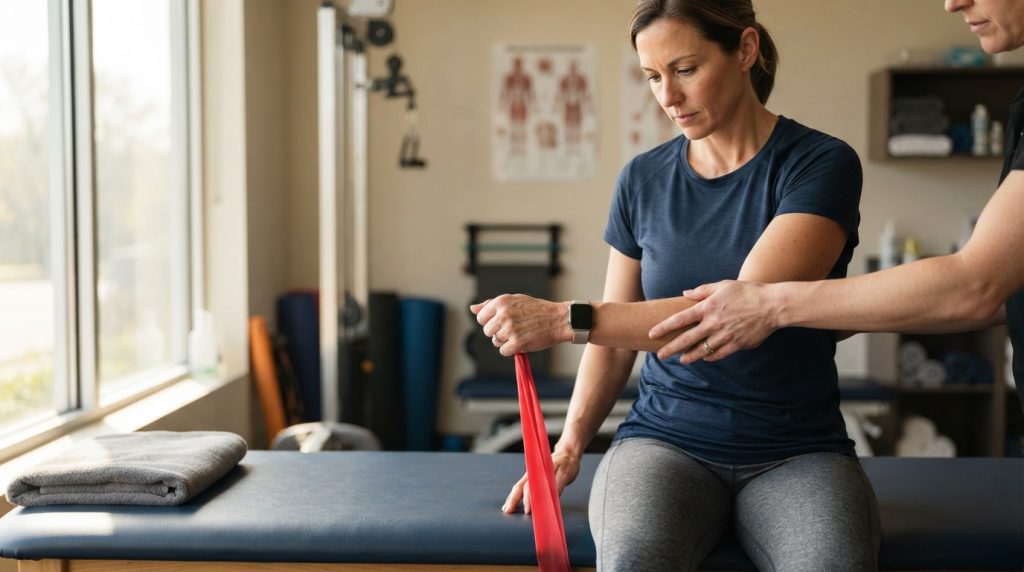
How a Rehabilitation Therapy Center Supports Lasting Recovery
Summary first: Recovering from chronic pain, a stalled injury, or a mobility limitation usually requires more than a...
Read article →Home / Healthcare / Article

The gist:
If you need same-day medical attention for a minor illness or injury but cannot get a quick appointment with your regular doctor, walk-in urgent care in Jackson TN is designed for exactly that situation. These clinics see patients without scheduled appointments and typically treat conditions that need prompt attention but are not medical emergencies.
Walk-in urgent care in Jackson TN fills the gap between a crowded emergency room and a primary care office that may be booked out for days. At Volunteer Family Medicine & Urgent Care, patients can walk in for same-day evaluation of illnesses, minor injuries, and unexpected health concerns without scheduling ahead. Understanding what happens during a typical visit can help you decide whether urgent care, rather than an emergency department, is the right choice for your symptoms.
How a Walk-In Visit Typically Works
A walk-in urgent care visit generally follows a predictable sequence, even though no appointment is required.
Clinics structured this way allow most patients to be seen the same day they walk in, which is the core appeal of urgent care compared to scheduling a traditional office visit. Because many urgent care locations also function as primary care practices, continuity of care and follow-up are easier to coordinate than at a stand-alone walk-in clinic.
Conditions Commonly Treated at Walk-In Clinics
Walk-in urgent care is built around conditions that need timely attention but are not life-threatening. Common examples include:
Many of these visits also involve on-site services such as laboratory testing, flu and strep testing, or school and sports physicals, which help providers diagnose and treat acute issues without sending patients elsewhere. Deciding between urgent care and an emergency room often comes down to severity. According to Stanford University’s benefits guidance, conditions such as minor fractures, sprains, mild fever, and sinus pain are appropriate for urgent care, while severe chest pain, difficulty breathing, or loss of consciousness call for emergency care instead.
Walk-In Urgent Care vs. Other Care Options
| Factor | Walk-In Urgent Care | Primary Care Appointment | Emergency Room |
|---|---|---|---|
| Wait for scheduling | None required | Days to weeks | None, but triage wait varies |
| Best for | Minor illness or injury needing same-day care | Ongoing health management, chronic conditions | Life-threatening symptoms |
| Typical services | Exams, basic labs, wound care, physicals | Preventive care, chronic disease follow-up | Advanced imaging, trauma care, surgery |
| Follow-up | Can refer back to your regular doctor | Built-in continuity | Discharge instructions, referral out |
This comparison highlights why many patients choose urgent care first for non-emergency needs: it combines same-day access with a broader scope of treatment than a routine office visit, while reserving the emergency room for genuinely urgent threats to life or limb.
Preparing for Your Visit
A few simple steps can make a walk-in visit faster and smoother.
Clinics that operate as both an urgent care and a family medicine practice can often fax visit records to your regular doctor, which helps maintain continuity even if you do not have an ongoing relationship with that specific office.
Frequently Asked Questions
Do I need an appointment for walk-in urgent care in Jackson, TN? No. Walk-in visits are designed to accommodate patients without a scheduled appointment, though calling ahead can sometimes reduce wait times.
What should I bring to a walk-in urgent care visit? Bring identification, insurance information if you have it, and a list of current medications or allergies to help the provider evaluate your condition accurately.
Can urgent care treat both illnesses and injuries? Yes. Walk-in clinics commonly treat both, including colds and infections as well as minor wounds, sprains, and other non-life-threatening injuries.
What happens if my condition turns out to be more serious? Providers at a walk-in clinic can refer patients to an emergency room or specialist if evaluation shows the condition requires a higher level of care.
Walk-in urgent care works best when you understand what it is designed to treat and what to bring with you. For same-day evaluation of minor illnesses, injuries, or unexpected health concerns in Jackson, Tennessee, Volunteer Family Medicine & Urgent Care accepts walk-in patients without requiring an appointment.
Keep reading
Summary first: Recovering from chronic pain, a stalled injury, or a mobility limitation usually requires more than a...
Read article →
• Most U.S. health insurance plans are required by law to cover breast pumps at no cost to...
Read article →
Pregnancy and childbirth are transformative experiences, both emotionally and physically. While the journey to motherhood brings immense joy,...
Read article →