
How a Mommy Makeover in Providence, RI, Restores Your Body After Pregnancy
Pregnancy and childbirth are transformative experiences, both emotionally and physically. While the journey to motherhood brings immense joy,...
Read article →Home / Healthcare / Article

• Most U.S. health insurance plans are required by law to cover breast pumps at no cost to you.
• You can confirm eligibility, choose a pump, and have it shipped to your door with minimal paperwork.
• Breastpumps.com handles insurance verification and delivery for mothers across the country.
Most expectant and new mothers in the United States can get a breast pump through their health insurance plan at little to no out-of-pocket cost. The Affordable Care Act requires most health insurance plans to cover the cost of a breast pump as part of women’s preventive health services. Knowing how to use that benefit — and where to buy breast pump with insurance — can save you hundreds of dollars and a significant amount of stress.
Under federal preventive care guidelines, covered benefits include breastfeeding support and counseling from trained providers, and access to breastfeeding supplies, for pregnant and nursing women. This is confirmed on HealthCare.gov’s preventive care page, the official federal resource for insurance benefits.
These rules apply to Health Insurance Marketplace plans and all other private health insurance plans, except for grandfathered plans. Medicaid plans in most states cover manual and electric breast pumps, but some require prior authorization. TRICARE also provides coverage for eligible military families.
A few key limits apply regardless of plan type:
• Health insurance carriers generally cover one breast pump per pregnancy, although you may have up to one year after giving birth to claim your insurance-covered breast pump.
• You will generally need a prescription to get a breast pump covered by insurance.
• Specific coverage details can vary from plan to plan, because insurers are allowed to set their own guidelines for breast pump insurance coverage, such as what type of pump is covered, whether you can get a pump to keep or must rent one, and whether you can receive your pump before giving birth.
A wide selection of insurance-covered breast pumps is available, including wearable, double electric, and hospital-grade options from top brands. Popular covered models include the Spectra Premier, Eufy S1 Pro, MomCozy M5 Pro, Ameda Mya Joy, Ameda Glo, and Willow Go.
The table below outlines the most common pump categories and their general insurance status:
|
Pump Type |
Typical Coverage |
Best For |
|
Standard double electric |
Widely covered |
Everyday pumping, returning to work |
|
Wearable/hands-free |
Increasingly covered |
Active or on-the-go mothers |
|
Manual |
Usually covered |
Occasional or backup use |
|
Hospital-grade |
Rental only in most plans |
NICU situations, medical need |
Although the percent of coverage and copays may vary depending on your health insurance provider and plan, in the majority of cases, breast pumps are covered at 100%. All pumps from a reputable supplier should be new and sealed in the manufacturer’s original packaging, as breast pumps are considered personal care items regulated by FDA approval.
The process is straightforward when you work with a supplier that handles the paperwork on your behalf. Here is what to expect:
1. Check eligibility early. Contact your insurer or use an online eligibility form during your second or third trimester. Many people opt to order breast pumps through insurance toward the beginning of the third trimester, but the exact timeline may depend on your insurance provider’s guidelines.
2. Get a prescription. Your OB, midwife, or primary care provider can write one. Some suppliers request this directly from your doctor.
3. Select your pump. Your breast pump selection may vary depending on your insurance. Review what your plan covers before choosing a model.
4. Submit your information. A full-service supplier will verify your insurance coverage, provide expert guidance on choosing the right pump, and arrange doorstep delivery across the U.S. The team also assists with insurance paperwork and offers ongoing customer support.
5. Receive free delivery. Once approved, your pump ships directly to your home.
Additional benefits including milk storage bags, replacement part kits, and compression garments may also be available under your plan. Ask your supplier to check for these extras when verifying your coverage.
Can I get a breast pump before my baby is born? Yes, in many cases. Some health plans won’t cover breast pumps until 30 days before your due date, while others will only cover them after you give birth. Check your specific plan’s timing rules early.
What if my claim is denied? If you believe your plan covers the cost of a breast pump but your claim is denied, you have the right under the Affordable Care Act to an internal appeal or external appeal. If you need help, contact your state’s Department of Insurance or Consumer Assistance Program.
Are wearable pumps covered? Some insurers have begun covering wearable breast pumps, recognizing the increasing demand for hands-free, discreet pumping solutions. Coverage varies by plan, so confirm with your insurer before ordering.
Do I need to pay anything out of pocket? In the majority of cases, breast pumps are covered at 100%. In some instances, breast pumps are not applied to your deductible. However, upgrading to a premium model may involve a cost difference.
Ready to confirm your eligibility and choose a pump? Breastpumps.com serves new and expectant mothers across the United States, handling insurance verification, pump selection, and free home delivery in one streamlined process. Visit the site, submit your insurance details, and let the team take care of the rest so you can focus on what matters most.
Keep reading
Pregnancy and childbirth are transformative experiences, both emotionally and physically. While the journey to motherhood brings immense joy,...
Read article →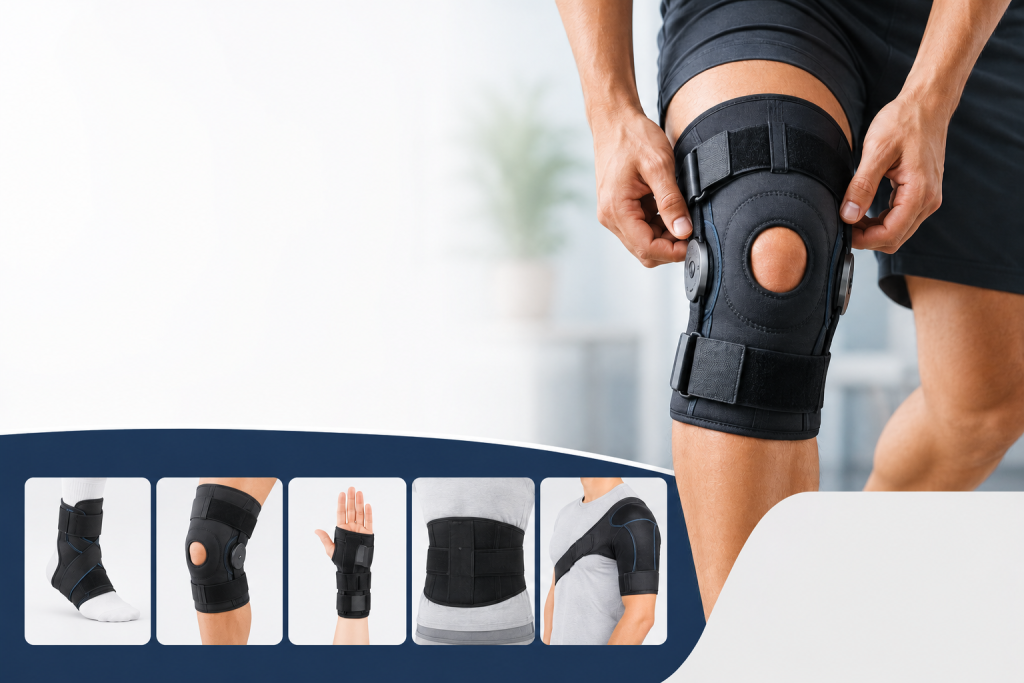
Staying active is essential for maintaining both physical health and overall well-being, yet injuries or chronic conditions can...
Read article →
For many individuals in Ranchettes, Wyoming, achieving and maintaining a healthy weight is a journey filled with unique...
Read article →