Balance changes after a sports concussion can occur when the injury disrupts how the brain processes information from the eyes, inner ears, muscles, and joints. A chiropractic evaluation may assess balance, coordination, neck movement, posture, and musculoskeletal factors, but suspected concussions should first receive appropriate medical evaluation.
An athlete does not have to lose consciousness to experience a concussion. Symptoms can begin immediately after an impact or become more noticeable several hours later.
Why Can a Concussion Affect Balance?
Maintaining balance requires several body systems to work together. The brain combines visual information, signals from the inner ear, and sensory feedback from muscles and joints to determine where the body is positioned.
A concussion can temporarily interfere with this process. An athlete may feel unsteady even when standing still, or they may notice that quick movements, busy environments, or changes in head position increase their symptoms.
Balance concerns may include:
- Feeling unsteady while walking
- Dizziness when turning the head
- Difficulty standing with the feet close together
- Veering toward one side
- Trouble navigating stairs
- Increased symptoms in crowded spaces
- A sensation that the room is moving
- Reduced coordination during athletic movements
These symptoms can also occur with inner-ear conditions, neck injuries, medication effects, dehydration, or other health concerns. A proper evaluation helps determine which factors may be involved.
What Other Symptoms May Occur After a Concussion?
Balance changes rarely occur in isolation. Athletes may also experience headaches, fatigue, nausea, blurred vision, sensitivity to light or noise, difficulty concentrating, memory changes, or slower reaction times.
Some people become more irritable or emotional after a concussion. Sleep patterns may also change, with the athlete sleeping more, sleeping less, or having difficulty falling asleep.
Symptoms may become more noticeable during physical activity, reading, screen use, driving, or schoolwork. Because concussion symptoms can vary, the absence of severe pain does not necessarily mean an athlete is ready to return to competition.
What Should Happen Immediately After a Suspected Concussion?
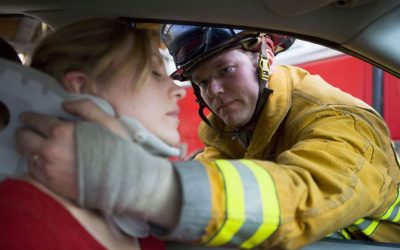
An athlete with a suspected concussion should be removed from play and evaluated by an appropriate healthcare professional. They should not return to the game, practice, or competition on the same day merely because symptoms improve.
Emergency medical attention is important when the athlete develops:
- Repeated vomiting
- Increasing confusion
- Worsening headache
- Slurred speech
- Seizure activity
- Unequal pupils
- Loss of consciousness
- Significant weakness or numbness
- Increasing difficulty walking
- Unusual behavior or severe agitation
A direct blow to the head is not required. A forceful hit to the body can also cause the head and brain to move rapidly enough to produce a concussion.
What May a Chiropractic Evaluation Assess?
After urgent concerns have been addressed, a chiropractor may evaluate whether neck or musculoskeletal injuries are contributing to ongoing discomfort or movement limitations.
The evaluation may include:
- Neck range of motion
- Upper-back and shoulder movement
- Posture and head position
- Muscle strength
- Sensation and reflexes
- Walking pattern
- Standing balance
- Coordination
- Symptoms triggered by head movement
- Previous concussion and injury history
A sports chiropractor may also ask how the injury occurred and which athletic movements reproduce symptoms. This information can help distinguish neck-related discomfort from problems that require additional neurological, vestibular, visual, or medical assessment.
Chiropractic care should not be presented as a replacement for concussion diagnosis, medical monitoring, or a structured return-to-play process.
Can a Neck Injury Affect Balance After Contact?
Yes. The neck contains muscles, joints, and sensory receptors that help the brain understand head position. A rapid impact may affect both the brain and the cervical spine.
Neck strain can cause stiffness, headaches, muscle guarding, and discomfort when turning the head. These symptoms may overlap with concussion symptoms, making it difficult for an athlete to identify the source without an evaluation.
For example, dizziness that increases with head movement may involve more than one contributing factor. A healthcare provider may need to assess the cervical spine, inner-ear function, eye movement, and neurological status before recommending care.
What Role May Chiropractic Care Have?
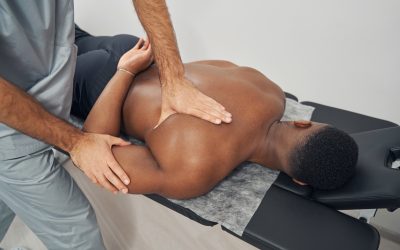
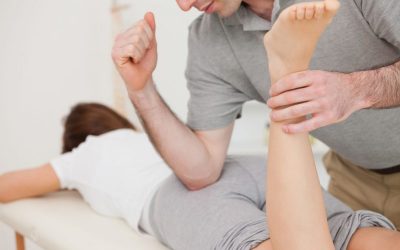
Chiropractic care may address mechanical concerns involving the neck, upper back, shoulders, or posture after serious injuries and contraindications have been ruled out. Treatment should be based on examination findings and the athlete’s current tolerance.
Chiropractic therapy may include gentle manual techniques, mobility guidance, soft-tissue approaches, and gradual movement progression. The goal is to address musculoskeletal limitations that may be contributing to discomfort rather than claiming to treat the brain injury itself.
Forceful treatment is not appropriate for every athlete. Care should be modified or postponed when symptoms are severe, worsening, or accompanied by neurological warning signs.
How Is Balance Commonly Checked?
Balance may be assessed by observing how an athlete stands or walks under different conditions. The provider may ask the athlete to stand with the feet together, change visual input, turn the head, or complete controlled walking tasks.
The purpose is not simply to see whether the athlete falls. Smaller changes, such as increased swaying, delayed correction, or difficulty maintaining position, may also provide useful information.
Results should be considered alongside symptoms, cognitive findings, neurological function, and the athlete’s progress over time. No single balance test can confirm or rule out a concussion by itself.
When Can an Athlete Return to Sports?
Return to sports should follow a gradual, medically guided process. An athlete should not resume full contact simply because headaches or dizziness have decreased.
Progression generally begins with normal daily activities and advances through light aerobic exercise, moderate activity, sport-specific drills, non-contact training, and full participation. Symptoms that return during a stage may indicate that the athlete needs to stop and speak with the healthcare professional overseeing recovery.
Coaches, parents, trainers, and athletes should communicate throughout the process. Hiding symptoms may increase the risk of another injury before the brain and body are ready.
Schedule an Evaluation for Ongoing Balance Changes
Athletes in Parker, CO, should seek appropriate evaluation when dizziness, unsteadiness, neck pain, headaches, or coordination changes continue after a sports impact. Contact a qualified healthcare provider to determine the next step and whether medical care, balance rehabilitation, or chiropractic therapy may be appropriate.