
What to Expect from a Hair Salon in Allen, TX, Experts Suggest for Personalized Style Solutions
When searching for a salon experience that goes beyond the basics, many clients look for professionals who truly...
Read article →Home / Beauty Salon / Article
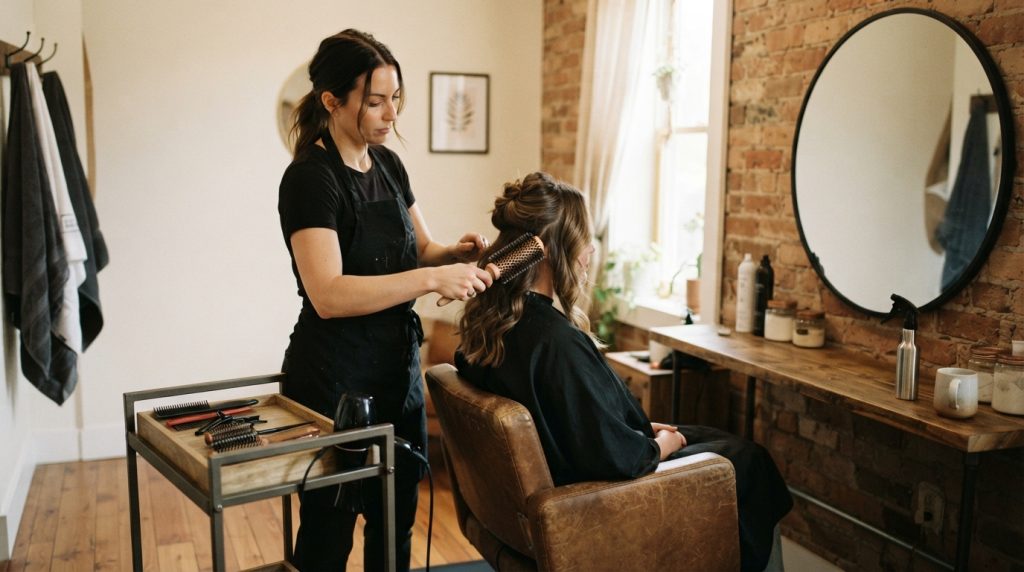
• Salon suite rentals give licensed beauty professionals a private, lockable studio space instead of a shared salon chair.
• Suites typically include styling stations and shared amenities, allowing stylists to set their own hours and pricing.
• Rental terms vary by provider, so comparing lease length, included utilities, and suite size is a practical first step.
Salon suite rentals are private, self-contained studio spaces that independent beauty professionals lease to operate their own business inside a shared building. Instead of renting a single chair inside someone else’s salon, a stylist, esthetician, or nail technician controls a dedicated room, sets personal hours, and manages client relationships directly.
For professionals weighing this model, understanding Salon Suite Rentals means looking past the base rent figure and into what the agreement actually covers. Lease structures, included amenities, and suite sizing all affect whether the arrangement fits a specific practice, whether that practice is hair styling, skincare, or nail services.
A typical arrangement involves signing a lease for a single room inside a larger building that houses multiple independent suites. The tenant professional then furnishes and operates that space under their own business name and schedule.
Common structural elements include:
• A private, lockable room rather than an open floor chair
• A styling station or treatment setup provided as part of the suite
• Shared common areas such as reception, parking, and sometimes laundry or break space
• Weekly or monthly lease terms instead of commission-based pay splits
This differs from the traditional commission model, where a salon owner takes a percentage of every service performed. Renters instead pay a fixed recurring fee and keep the full amount they charge clients.
Pricing for salon suites depends on suite size, location, and included amenities, so costs vary from one building to the next. Prospective renters should ask specific questions before signing:
1. Is the lease weekly, monthly, or annual, and what happens if a renter needs to break it early
2. Which utilities, internet, or cleaning services are included versus billed separately
3. Is there a security deposit, and under what conditions is it refundable
4. Are there restrictions on hours of operation or client volume
Suite providers in this space generally list stations as part of the included setup, which can reduce upfront equipment costs compared with building out a space from empty walls.
|
Factor |
Salon Suite Rental |
Commission Chair |
Full Salon Ownership |
|
Control over hours |
Full control |
Limited, set by salon |
Full control |
|
Income structure |
Fixed rent, keep full service fees |
Percentage split with owner |
Keep profits, bear full overhead |
|
Startup cost |
Moderate (lease plus supplies) |
Low |
High |
|
Business risk |
Moderate |
Low |
High |
Each model carries trade-offs. Suite rental sits between the low commitment of chair rental and the high responsibility of owning a full salon location, which is why many independent professionals use it as a middle step. According to the U.S. Small Business Administration, understanding fixed versus variable costs is a core part of evaluating any small business lease structure, a principle that applies directly to suite agreements.
Licensed professionals considering this model in Washington Township should also confirm that their state cosmetology license and any required business registration remain valid for an independent suite setup, since requirements differ from working as an employee inside an existing salon.
Based in Rochester Hills, MI, Private Suites for Salon Professionals serves clients across Washington Township who are evaluating independent suite options for their beauty practice. The listing reflects station-equipped private suites intended for independent cosmetology, skincare, and nail professionals operating their own schedules.
Is a salon suite rental the same as renting a chair? No. A chair rental typically means working inside an open salon floor on a commission split, while a suite rental provides a private, enclosed room leased under its own agreement.
Do renters need their own business license? Requirements vary by location, but independent suite renters generally operate as their own business entity and should confirm licensing rules with their state cosmetology board before signing a lease.
What is usually included in the suite price? Most suite agreements include the room itself and a styling or treatment station, though utilities, internet, and cleaning arrangements differ by provider and should be confirmed in writing.
Can a renter set their own prices and hours? Yes. One of the defining features of suite rental is that the renter, not a salon owner, determines service pricing and daily schedule.
Reviewing lease terms, included amenities, and suite size against a specific service practice remains the most practical way to judge fit before committing to a rental agreement. Current suite listings and service area information for Private Suites for Salon Professionals are published for professionals comparing independent suite options.
Keep reading
When searching for a salon experience that goes beyond the basics, many clients look for professionals who truly...
Read article →
A soothing foot care session can do wonders for both your appearance and your well-being. For those seeking...
Read article →
Every bride dreams of looking her absolute best on her wedding day, and achieving that perfect blend of...
Read article →