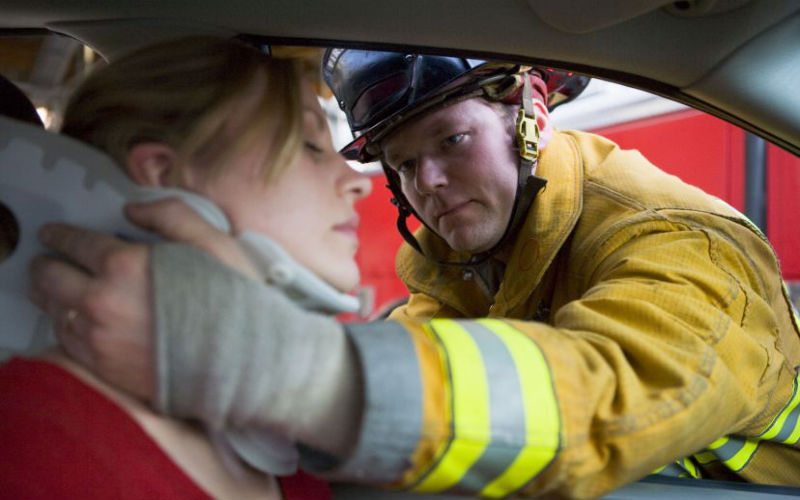
Common Injuries a Car Accident Chiropractor Can Address in Jacksonville, Fl
After a car accident, the force of a collision can affect the neck, back, muscles, joints, and surrounding...
Read article →Home / Chiropractic / Article

Cranial chiropractic and craniosacral therapy are gentle, hands-on approaches involving the head, neck, and surrounding tissues, but they are not the same service. Cranial chiropractic is provided within chiropractic care and may include evaluation of the spine, posture, joints, and movement, while craniosacral therapy generally uses light touch to encourage relaxation and ease soft-tissue tension.
Because the names sound similar, people in Goodyear, AZ, may assume the two approaches are interchangeable. Understanding the differences can help patients ask informed questions and identify which type of care may fit their needs.
What Is Cranial Chiropractic?
Cranial chiropractic is an approach used by some chiropractic doctors to assess the relationship between the skull, jaw, upper neck, spine, and nearby soft tissues. Techniques are generally gentle and may involve light, precise contact rather than rapid or forceful movement.
A cranial chiropractor may also examine posture, spinal mobility, previous injuries, muscle tension, and movement patterns. This broader assessment matters because discomfort around the head or upper neck does not always originate from one isolated area.
Forward-head posture, shoulder position, jaw habits, or limited movement in the neck and upper back may affect how the area feels. Cranial care may therefore be included as part of a wider chiropractic therapy plan rather than used as a stand-alone technique.
Depending on the individual, care may also involve spinal adjustments, mobility recommendations, postural education, or therapeutic exercises.
What Is Craniosacral Therapy?
Craniosacral therapy is a complementary hands-on practice that usually involves very light pressure around the head, spine, and sacrum. The general purpose is to encourage relaxation and address perceived tension or restrictions in surrounding tissues.
Craniosacral therapy is not automatically a form of chiropractic care. A practitioner’s professional background may vary. Some may be massage therapists, physical therapists, occupational therapists, or other healthcare providers who have completed additional training in the method.
During a session, the patient usually remains fully clothed while the practitioner places their hands lightly on selected areas. Sessions are typically quiet and passive, with little active movement required from the patient.
How Do Their Evaluations Differ?
The examination process is one of the clearest differences between the two approaches.
A chiropractic doctor is trained to evaluate the musculoskeletal system, including the spine, joints, posture, movement, and related neurological findings. Before providing cranial care, the doctor may review the patient’s health history, assess range of motion, examine posture, and determine whether additional medical evaluation is needed.
A craniosacral therapy assessment is generally more focused on gentle palpation and perceived soft-tissue restrictions. The depth and scope of the evaluation depend on the practitioner’s licensing, education, and professional role.
Neither approach should begin with the assumption that every headache, jaw symptom, balance concern, or neck problem is caused by cranial tension. Sudden, severe, or unexplained symptoms may require medical attention before manual care is considered.
Do Cranial Chiropractic and Craniosacral Therapy Feel the Same?
Both approaches may feel subtle, but their goals and methods can differ.
Cranial chiropractic techniques are chosen based on findings from a chiropractic examination. The care may relate to the upper cervical spine, jaw movement, posture, spinal mechanics, or other areas affecting the patient’s overall movement.
Craniosacral therapy commonly uses sustained, light contact intended to promote relaxation and respond to soft-tissue tension. It generally does not involve chiropractic joint adjustments or corrective spinal care.
Patient preferences also vary. Some people prefer a quiet, light-touch session, while others want care that includes movement testing, postural assessment, and recommendations for exercises or daily habits.
Is One Approach More Holistic?
The word “holistic” does not refer to one particular technique. Holistic chiropractic generally means looking at how posture, physical activity, stress, sleep, previous injuries, and movement habits may collectively affect the patient.
Craniosacral therapy may also be described as holistic because it views the body as an interconnected system and often emphasizes relaxation. However, the term should not replace a clear explanation of what the practitioner evaluates and what the treatment is intended to accomplish.
A responsible provider should explain the proposed approach, discuss reasonable expectations, and avoid suggesting that one technique can address every health concern.
What Does Research Say About These Approaches?
Research on craniosacral therapy remains limited and mixed. Some patients report relaxation or temporary relief, but stronger evidence is still needed for many of the broader claims associated with the method.
Evidence involving individual cranial chiropractic techniques also varies according to the technique and condition being studied. Neither approach should be presented as a guaranteed solution.
Appropriate screening, realistic treatment goals, and communication with other healthcare providers are important. Manual care may complement a broader plan, but it should not replace medical care for serious or unexplained symptoms.
What Should Patients Ask Before Scheduling?
Patients should ask about the provider’s license, education, examination process, and the specific techniques they use. They should also ask how the provider determines whether care is appropriate and when they refer patients for additional evaluation.
People researching a Cranial Chiropractor can review how Agape Family Chiropractic describes cranial care as part of their broader chiropractic services in Goodyear.
Patients should disclose recent injuries, surgeries, neurological symptoms, blood-clotting concerns, and current medical treatment. This information helps the provider make safer and more appropriate recommendations.
Which Approach May Be the Better Fit?
Cranial chiropractic may fit someone seeking a chiropractic evaluation that considers the head, upper neck, spine, posture, and movement together. Craniosacral therapy may appeal to someone primarily interested in a quiet, light-touch session focused on relaxation and tissue tension.
The appropriate option depends on the individual’s symptoms, goals, health history, and preferred style of care. In some situations, neither approach should begin until the person has received a medical evaluation.
For adults and families in Goodyear, AZ, the most useful step is to look beyond the name of the technique. A qualified provider should explain the evaluation, clarify the purpose of care, and recommend an approach based on the individual rather than a generic treatment plan.
Keep reading
After a car accident, the force of a collision can affect the neck, back, muscles, joints, and surrounding...
Read article →
Spinal decompression therapy may be considered for some people whose pain stays mainly in the lower back, even...
Read article →
Balance changes after a sports concussion can occur when the injury disrupts how the brain processes information from...
Read article →