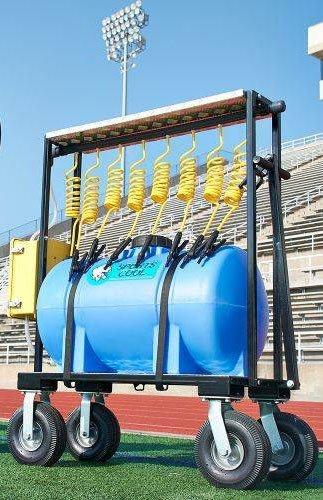
Beat Game Day Heat With Sideline Misting Fans for Cooler and Safer Sports Events
High temperatures and intense sunlight can turn any sports event into a test of endurance, not just for...
Read article →
Simply put:
A fountain that stops flowing smoothly, grows cloudy water, or makes grinding sounds from the pump is signaling a problem that will likely worsen without prompt intervention. Recognizing these warning signs early helps prevent larger, costlier repairs down the line.
Several mechanical and water-quality issues tend to appear together, and catching them early is central to effective Fountain repair. A pump that cycles on and off erratically, a basin that loses water faster than normal, or water that turns green within days of cleaning are all indicators that a component inside the system is failing. Left unaddressed, these issues can damage filtration equipment, plumbing lines, and the structural finish of the fountain itself.
Fountains rarely fail without warning. Most show measurable changes in sound, water clarity, or flow rate before a full breakdown occurs.
Any one of these signs on its own may not be urgent, but two or more occurring together usually points to a failing pump, a clogged filter, or a developing leak in the plumbing.
Local climate and water conditions play a direct role in how quickly fountain components degrade. Extended summer heat increases evaporation rates and pushes pumps to work harder, while hard water common in North Texas accelerates mineral scale buildup on pump housings and spillways.
Outdoor ornamental water features also face higher evaporation and debris loads compared to enclosed systems, which is why consistent recirculation and routine upkeep matter for water efficiency, according to EPA WaterSense guidance. Seasonal debris such as leaves and pollen can clog intake screens within weeks if left unchecked, particularly during fall and spring transitions.
| Situation | Typical Signs | Recommended Response |
| Routine maintenance | Light algae film, minor debris buildup | Scheduled cleaning and filter check |
| Developing issue | Cloudy water returning quickly, slight pump noise | Inspection within one to two weeks |
| Urgent repair | Grinding pump, rapid water loss, visible cracks | Prompt service to prevent component failure |
Waiting until a fountain stops working entirely often means replacing a pump or resealing a cracked basin, both of which cost more than addressing early warning signs.
Dallas Aquarium Kings serves customers across Dallas, TX, with fountain pump replacement, cleanouts, and repair work among the water feature services documented for the surrounding area.
How often should a residential fountain be inspected? Most outdoor fountains benefit from a visual check every few weeks, with closer attention during summer heat and after storms when debris accumulates quickly.
Can a cloudy fountain be fixed without replacing the pump? Cloudiness is often resolved through filter cleaning and water treatment, but persistent cloudiness alongside weak flow may indicate the pump itself needs servicing.
Is mineral buildup a sign of a bigger problem? Mineral scale from hard water is common in North Texas and is typically a maintenance issue rather than a structural failure, though heavy buildup can strain pump motors over time.
What happens if a fountain leak goes unrepaired? An unaddressed leak can lower water levels enough to run the pump dry, which frequently causes motor burnout and more extensive repair needs.
Recognizing the early signs of fountain trouble, from pump noise to recurring cloudiness, allows for timely intervention before minor issues become structural or mechanical failures. Current information for Dallas Aquarium Kings is available for those reviewing fountain service options in the area.
Keep reading
High temperatures and intense sunlight can turn any sports event into a test of endurance, not just for...
Read article →
When searching for the ideal pair of sunglasses, residents of Matthews, NC, know that both comfort and reliable...
Read article →