The Best Fine Art Appraisal Is Done In Minnesota
Owning fine art is a very rewarding feeling. There are many different types of fine art that is...
Read article →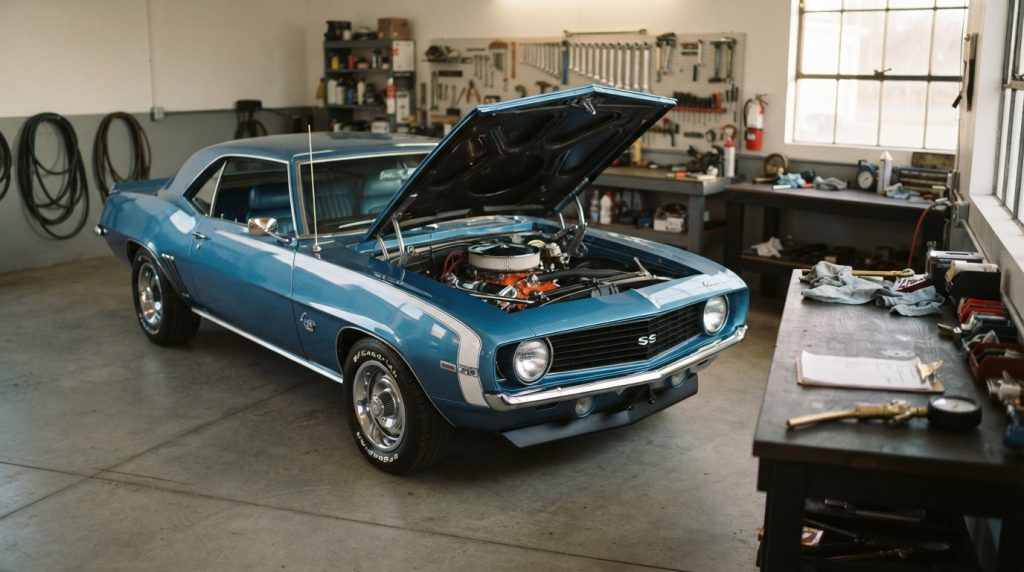
Essentially:
• A car appraisal is a structured inspection and market analysis that produces a documented fair market value for insurance, resale, financing, or legal purposes.
• The process typically moves through consultation, vehicle inspection, market research, and a written report.
• Classic, exotic, and specialty vehicles often require extra documentation review because originality and restoration quality affect value.
A car appraisal is a professional evaluation of a vehicle’s condition, history, and market position that results in a documented value used for insurance claims, financing, resale, or legal disputes. The process generally follows a consistent sequence regardless of the vehicle type involved.
Anyone searching for a car appraisal is usually trying to establish a defensible number before a transaction, dispute, or claim moves forward. The steps below outline what that process typically involves, from the first conversation with an appraiser through the final report.
The appraisal process starts with a conversation about the vehicle and the reason for the request. An appraiser will typically ask about the year, make, model, and the specific purpose behind the appraisal, whether that is an insurance dispute, a sale, or a loan application.
This step also sets expectations for timing and documentation. Vehicle owners should be ready to discuss:
• The vehicle’s history and any known damage or repairs
• Whether the inspection will happen in person or virtually
• The intended use of the final report (insurance, financing, legal, resale)
A hands-on inspection follows the consultation and forms the core of the appraisal. An appraiser examines the exterior and interior condition, checks mechanical systems, and documents any modifications, repairs, or pre-existing damage.
For classic or collector vehicles, this stage often goes further than a standard used-car check. Appraisers look closely at originality, restoration quality, and matching numbers, since these details carry significant weight in collector markets.
Typical inspection points include:
|
Inspection Area |
What Gets Documented |
|
Exterior |
Paint condition, panel alignment, rust, glass, tires |
|
Interior |
Upholstery, dashboard, electronics, odors |
|
Mechanical |
Engine, transmission, brakes, fluid levels |
|
Documentation |
Title, service records, restoration receipts |
A clean, well-lit, and unobstructed inspection space helps the appraiser complete a thorough walk-around and undercarriage review without delays.
After the physical inspection, the appraiser compares the vehicle against recent sales of similar models, adjusting for condition, mileage, and regional demand. For classic and specialty vehicles, this research often includes auction results and private sale data specific to that make and model.
The final report generally includes:
1. Date and location of the inspection
2. A detailed description of the vehicle, including VIN and mileage
3. The valuation method used and the appraiser’s qualifications
4. A stated purpose for the appraisal (insurance, resale, financing, or dispute)
Reports intended for insurance disputes or legal proceedings are often expected to meet recognized appraisal standards. The Uniform Standards of Professional Appraisal Practice framework, overseen by the Appraisal Foundation, is commonly referenced for ensuring reports are consistent and defensible across industries, including vehicle valuation.
Vehicle owners across Los Angeles, CA often need this level of documentation when insurers undervalue a total loss claim or when a lender requires proof of collateral value before approving financing. Based in Glendale, CA, the appraisal practice behind these services extends its work to customers throughout the greater Los Angeles, CA area.
Appraisal needs vary by situation, and the purpose often shapes how the report is structured. Common scenarios include:
• Insurance valuation: Establishing what a classic or modified vehicle is actually worth before or after a loss, rather than relying on a generic used-car estimate.
• Pre-purchase evaluation: Confirming a vehicle’s condition and market value before a buyer commits to a sale.
• Financing collateral: Giving lenders a certified valuation to support loan approval on classic or high-value vehicles.
• Dispute resolution: Providing an independent opinion of value when a vehicle owner disagrees with an insurer’s offer.
Each of these purposes generally requires the same core process: consultation, inspection, research, and a written report that explains how the value was determined.
How long does a car appraisal take? The inspection itself often takes one to two hours, while the full process, including market research and report preparation, can take several days depending on vehicle type and documentation available.
Can an appraisal be done virtually? Many appraisers offer a guided virtual option for certain situations, though a hands-on inspection is generally preferred for classic, exotic, or high-value vehicles where condition details matter most.
What documents should a vehicle owner prepare? Titles, registration, service records, restoration receipts, and any accident documentation help an appraiser build a more accurate and defensible valuation.
Does an appraisal guarantee a specific insurance payout? An appraisal provides a documented opinion of value, but the final insurance settlement still depends on the policy terms and the insurer’s own review process.
Appraisal services for classic, exotic, and specialty vehicles in the Glendale, CA and Los Angeles, CA area are listed under ProValue Appraisal, which covers pre-purchase inspections, insurance valuations, and resale evaluations for collector vehicles.
Published profile details for ProValue Appraisal outline the documentation typically requested before an appraisal is scheduled.
The car appraisal process follows a predictable path from first contact to final report, and understanding each stage helps vehicle owners prepare the right documentation and set realistic expectations for timing and outcome.
Keep reading
Owning fine art is a very rewarding feeling. There are many different types of fine art that is...
Read article →