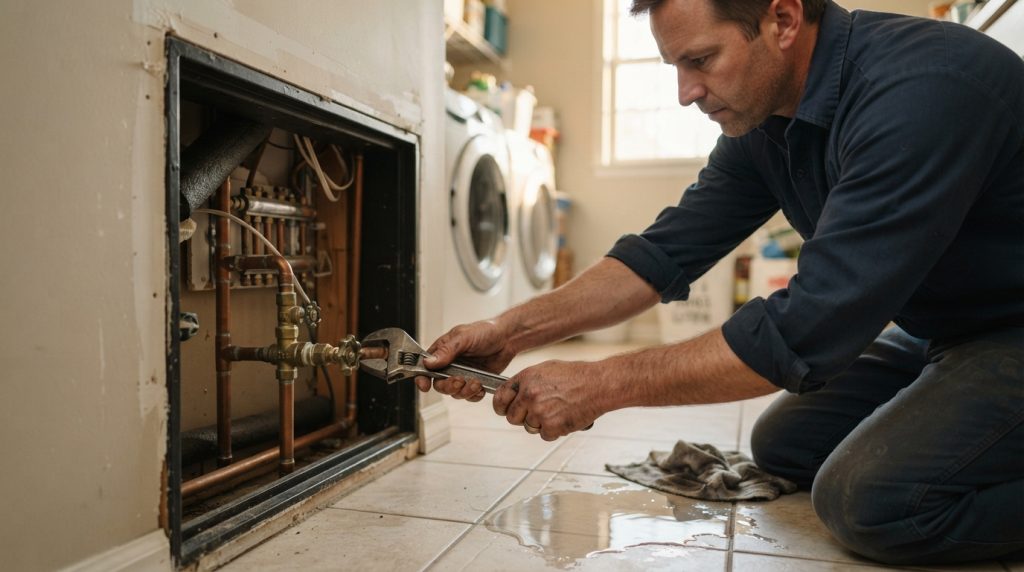
Emergency Plumbing Services for Managing Urgent Water Damage and Repairs
Bottom line: • Emergency plumbers stop the water source first, then assess damage before any repair work begins....
Read article →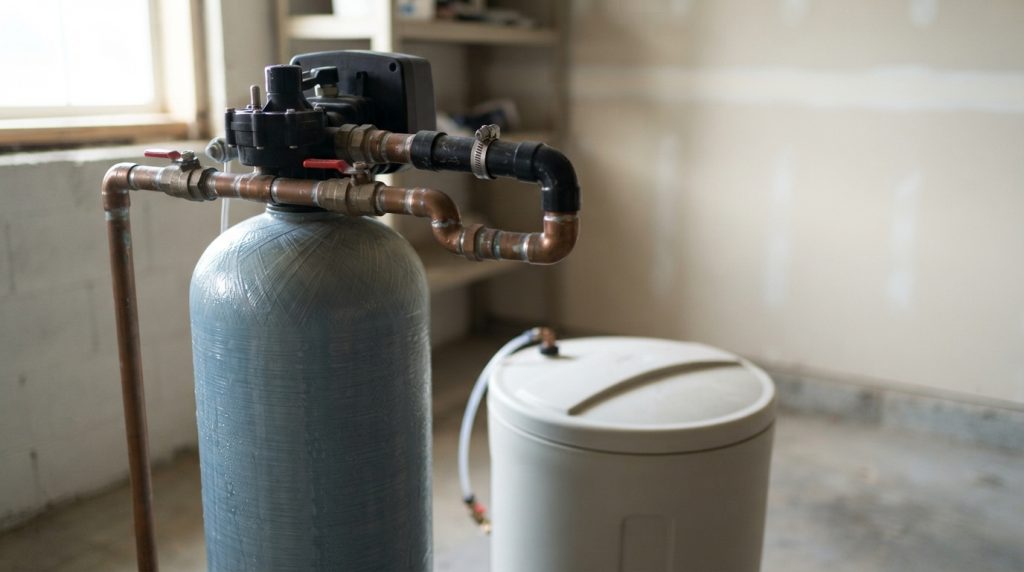
Summary:
A successful water softener installation starts with testing water hardness, selecting a correctly sized unit, and placing it on the main line ahead of the water heater so the entire home receives treated water. Getting these steps right the first time reduces the risk of scale buildup, uneven water pressure, or costly rework later.
Homeowners researching Water Softener Installation often discover that the process involves more than setting a tank next to the water line. Correct placement, proper venting, and accurate programming all affect how well a softener performs over its service life, particularly in regions with mineral-heavy municipal water.
Before any equipment is selected, the water supply needs to be measured for hardness, typically expressed in grains per gallon (gpg) or milligrams per liter (mg/L). According to the EPA WaterSense guide to water softeners, water with a hardness level greater than 120 mg/L, or 7 gpg, is generally considered hard and may benefit from softening, while softeners are often recommended once hardness exceeds 180 mg/L or 10 gpg.
Las Vegas, NV tap water is widely recognized as hard, which makes this testing step especially relevant for residents weighing whether a softener is worth installing. Skipping a hardness test can lead to an undersized or oversized unit, both of which waste water and salt over time.
Selecting the right system size depends on household water use and the measured hardness level, not guesswork. A unit that regenerates too often wastes water and salt, while one that is undersized leaves hard water untreated between cycles.
Key factors to confirm before purchase:
| Water Hardness | Typical Grain Capacity Needed | General Recommendation |
| Moderately hard (3.5-7 gpg) | 24,000-32,000 grains | Optional, depending on fixtures |
| Hard (7-10.5 gpg) | 32,000-40,000 grains | Softener generally recommended |
| Very hard (10.5+ gpg) | 40,000-48,000+ grains | Softener strongly recommended |
Correct placement affects both performance and plumbing longevity. The softener should sit on the main supply line before water reaches the water heater, and outdoor irrigation lines are often bypassed so softened water is not used outside unnecessarily.
A methodical installation sequence typically includes:
Homes in Las Vegas, NV often require extra attention to drain routing and outdoor bypass configuration because of desert landscaping and irrigation setups common in the region. Properly sized and certified equipment, paired with correct placement, supports consistent softened water throughout the home.
How long does a typical water softener installation take? Installation time varies by home layout and existing plumbing access, but most residential setups are completed within a single service visit once the unit and connection points are confirmed.
Does a water softener need to be installed near an electrical outlet? Most residential units require a standard grounded outlet nearby to power the control head and regeneration cycle timer.
Can a water softener be installed without professional help? Some homeowners attempt self-installation, but incorrect bypass valve placement or drain line routing can lead to leaks or reduced system performance, which is why many opt for licensed plumbing assistance.
Is a permit required for water softener installation in Las Vegas, NV? Permit requirements vary by jurisdiction and system type, so checking with the local building department before installation is advisable.
Fast Plumbing Service is based in USA and serves customers across Las Vegas, NV. Additional identity and location details for the business are published through its Fast Plumbing Service profile.
Published details for Learn more about Fast Plumbing Service cover service area information relevant to Las Vegas, NV households considering water treatment options.
Keep reading
Bottom line: • Emergency plumbers stop the water source first, then assess damage before any repair work begins....
Read article →
Plumbing leaks can quickly become major headaches, causing water damage, higher utility bills, and even structural issues if...
Read article →
Clogged drains can disrupt daily routines, cause unpleasant odors, and even lead to costly water damage if not...
Read article →