Bottom line:
• A Hydrafacial is a three-step cleanse, extract, and hydrate treatment that targets dullness, dryness, and clogged pores without downtime.
• Boston-area patients can access this treatment through a licensed dermatology practice rather than a walk-in spa setting.
• Results vary by skin type, and a provider consultation helps determine whether Hydrafacial or a complementary treatment fits your skin goals.
Dull, dry, or congested skin often responds well to a hydradermabrasion facial that combines exfoliation with deep hydration in a single session. For Boston-area residents researching hydrafacial in Boston, MA, this treatment appeals because it addresses several common skin concerns at once without requiring recovery time.
The appeal of this approach lies in how it works at the skin’s surface level. A Hydrafacial is best described as a medical-grade hydradermabrasion treatment, and it uses a vacuum-tip device rather than manual extraction or abrasive crystals, which is why it tends to produce little to no visible flaking or downtime.
What Happens During a Hydrafacial Session
The treatment follows a structured process that dermatology providers can adjust based on skin type and concern.
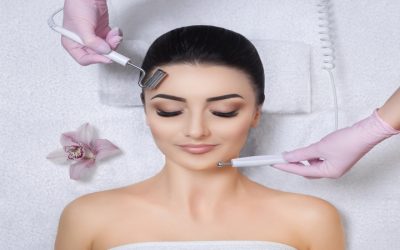
• Cleanse and exfoliate: A vacuum-tip wand lifts away dead skin cells and debris from the surface.
• Extract: Painless suction removes buildup from pores without the discomfort of manual extraction.
• Hydrate: Serums infused during the final step target hydration, tone, or dullness depending on skin needs.
Clinical review of the treatment notes that it involves microdermabrasion-like exfoliation paired with hydrating serums delivered through a mechanized wand customized to skin type. Because the mechanism relies on fluid and suction rather than physical abrasion, sensitive or reactive skin types generally tolerate the process well.
What the Evidence Says About Skin Benefits
Independent reviews of the treatment’s clinical backing offer a useful reality check before booking. A 2025 review of the available evidence notes that imaging and histology studies have found measurable increases in skin thickness, improved skin evenness, and higher antioxidant levels following a course of treatments. That same review points out that a 12-week clinical trial of a specific Hydrafacial protocol found improvement in mild-to-moderate acne severity scores in most participants.
It is worth understanding the limits of the research too. The same source states plainly that the treatment has not been shown to remodel collagen or replace treatments designed for deeper aging concerns, which matters for anyone comparing options for fine lines versus surface-level dullness. For general guidance on exfoliating skin procedures and who should discuss them with a provider first, the American Academy of Dermatology’s overview of microdermabrasion techniques is a useful reference point, since Hydrafacial shares the same underlying exfoliation principle.
Comparing Hydrafacial to Related Skin Treatments
Patients often ask how this treatment stacks up against similar options offered at dermatology practices. The table below outlines general differences based on how each treatment mechanically works.
|
Treatment |
Method |
Downtime |
Best Suited For |
|
Hydrafacial |
Vacuum-tip exfoliation plus serum infusion |
None to minimal |
Dullness, dryness, mild congestion |
|
Traditional microdermabrasion |
Abrasive crystal or diamond-tip exfoliation |
Minimal, possible redness |
Surface texture, mild pigmentation |
|
Chemical peel |
Acid-based exfoliation |
Varies by peel depth |
Acne scars, hyperpigmentation |
Providers may also combine treatments. Botox is often combined with dermal fillers, chemical peels, or Hydrafacial treatments to address multiple skin concerns in a coordinated plan, since combining services allows a provider to sequence treatments safely rather than layering them without spacing.
Who Tends to Benefit Most
Not every skin concern calls for the same approach, so a short consultation typically precedes treatment.
1. Dull or tired-looking skin from environmental exposure or seasonal dryness.
2. Congested pores without active inflammatory acne.
3. Uneven tone or texture that has not responded to at-home skincare.
4. Skin that needs a low-downtime option before an event or during a busy season.
People with active eczema, an unexplained rash, or a changing mole or spot should seek medical evaluation before treating the concern cosmetically, since a dermatology-trained provider can distinguish between a cosmetic issue and one that needs medical attention first.
FAQ
Is a Hydrafacial the same as microdermabrasion? No. Hydrafacial is often called hydradermabrasion because it borrows the exfoliation concept from microdermabrasion, but it uses a vacuum tip and fluid rather than abrasive crystals, which typically means less irritation.
How often should someone get a Hydrafacial? Frequency depends on skin goals and how the skin responds, so this is best determined during a consultation with a provider who can assess your specific concerns.
Can Hydrafacial be combined with other treatments? Yes. It is frequently paired with injectables or chemical peels, with a provider spacing sessions appropriately.
Does Hydrafacial work for all skin types? Most people tolerate it well, though anyone with an active skin condition should consult a provider first to rule out an underlying medical issue before scheduling a cosmetic treatment.
Choosing where to receive a Hydrafacial matters as much as understanding what the treatment does. Renascence Aesthetic Dermatology operates as a dermatology-led practice serving the greater Boston area, which means skin concerns can be evaluated by a clinical provider before a cosmetic treatment plan is recommended. A consultation remains the most reliable way to confirm whether a Hydrafacial, or a complementary option, fits your skin’s current needs.