
How Volatility Changes Can Affect Trading Opportunities and Portfolio Risk
Financial markets are constantly moving, but the speed and magnitude of those movements can change dramatically. Some periods...
Read article →Home / Financial Services / Article
Short version:
• Businesses can acquire machinery, vehicles, or technology through flexible financing options that spread costs over time and help preserve working capital for daily operations.
• Financing preserves working capital while spreading equipment costs over structured monthly payments.
• Approval often depends on business revenue, equipment type, and repayment terms rather than only credit history.
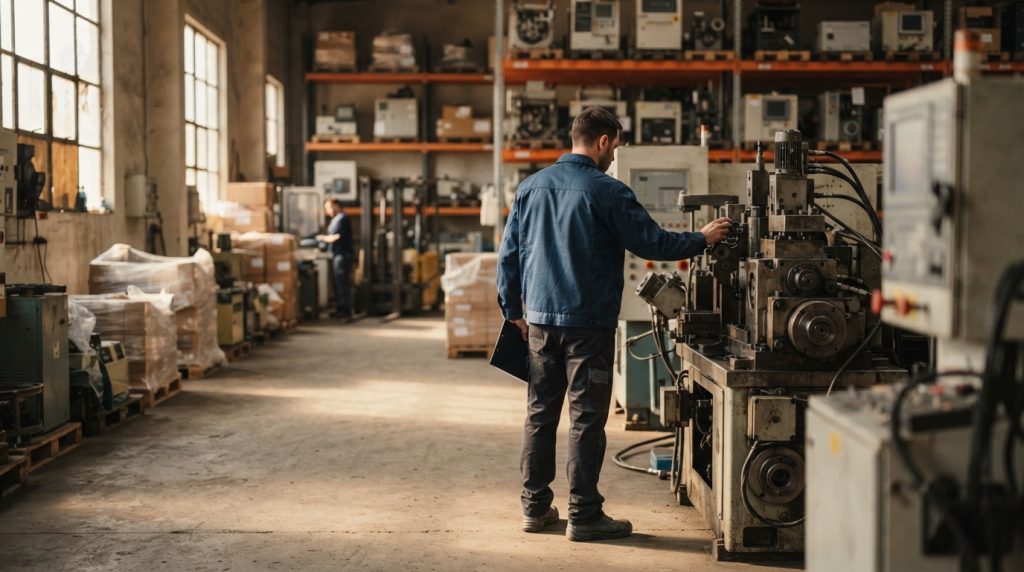
Businesses needing machinery, fleet vehicles, or specialized tools may prefer financing over making large upfront purchases. Flexible payment arrangements allow companies to use essential equipment while spreading costs over time. This approach helps preserve working capital for payroll, inventory, maintenance, and unexpected expenses while supporting ongoing business operations.
Working with equipment lending companies typically means choosing between a loan, where the business owns the asset from the start, or a lease, where ownership terms depend on the agreement. Dynamic Funding, Inc. is one example of a provider structuring these arrangements for business equipment needs. The right structure depends on how long the equipment will be used, how quickly it depreciates, and whether the business wants to own the asset at the end of the term.
Paying cash for equipment can strain a business’s liquidity, especially for companies in growth phases or seasonal industries. Financing shifts that burden into predictable monthly payments instead of one large outflow.
Common reasons businesses pursue financing include:
• Preserving cash for payroll, marketing, or inventory needs
• Avoiding large depreciation hits on the balance sheet in a single period
• Matching payment schedules to the revenue the equipment generates
• Accessing newer or higher-capacity equipment sooner than a cash-only approach would allow
The U.S. Small Business Administration notes that matching financing terms to the useful life of an asset is a core principle of sound capital planning, since mismatched terms can create cash flow strain later in the loan or lease period according to the SBA’s guidance on business loans. This principle applies directly to equipment financing decisions, where term length should reflect how long the asset will remain productive.
Equipment financing is not one-size-fits-all. The structure chosen affects taxes, ownership, and flexibility for future upgrades.
| Feature | Equipment Loan | Equipment Lease |
| Ownership | Business owns asset immediately | Lender or lessor retains title during term |
| Upfront Cost | Often requires a down payment | May require little to no down payment |
| End of Term | Business keeps the asset once paid off | Options may include buyout, return, or renewal |
| Best Fit | Long-term use, equipment that holds value | Equipment that becomes outdated quickly |
Businesses evaluating leasing for equipment like commercial vehicles, construction machinery, or production tools often weigh how quickly that equipment becomes technologically obsolete. A lease can make sense when upgrading every few years is a priority, while a loan may fit better for equipment with a longer productive lifespan.
Lenders and lessors look at several factors before approving financing, and these factors shape both approval odds and the terms offered. Understanding them helps a business prepare a stronger application.
1. Time in business and revenue history, which indicate repayment capacity
2. The type and resale value of the equipment being financed
3. Existing debt obligations and how a new payment fits the overall cash flow
4. Industry conditions that affect how quickly the equipment will generate returns
Because equipment itself often serves as collateral, approval criteria can be more flexible than unsecured financing, particularly when the asset holds resale value. This is one reason equipment-specific financing is often more accessible than general working capital loans for businesses with limited collateral elsewhere.
What types of equipment can typically be financed? Financing commonly covers business equipment such as vehicles, machinery, production tools, and technology used in day-to-day operations.
Is leasing always cheaper than buying equipment outright? Not necessarily. Leasing spreads cost over time and may lower upfront expense, but total cost depends on term length, interest, and whether a buyout is included.
How long does equipment financing typically take to arrange? Timelines vary by lender and documentation readiness, since each provider sets its own underwriting process and required paperwork.
Can a newer business qualify for equipment financing? Qualification depends on the lender’s criteria, but some providers weigh equipment value and projected revenue alongside time in business.
Businesses weighing their options can review how Dynamic Funding, Inc. structures equipment leasing arrangements to compare terms against their own cash flow needs and equipment plans. Reviewing multiple financing structures before committing helps ensure the repayment schedule aligns with how the equipment will be used and how quickly it generates value for the business.
Keep reading
Financial markets are constantly moving, but the speed and magnitude of those movements can change dramatically. Some periods...
Read article →
Retirement is a major milestone that requires careful planning and thoughtful decision-making to ensure financial security and peace...
Read article →
Market liquidity is one of the most important elements of financial markets, yet it often receives less attention...
Read article →