
Why Choosing Land Surveyors Ensures Accurate Property Boundaries
Establishing clear and accurate property boundaries is essential for property owners, developers, and anyone involved in real estate...
Read article →Home / Construction and Maintenance / Article
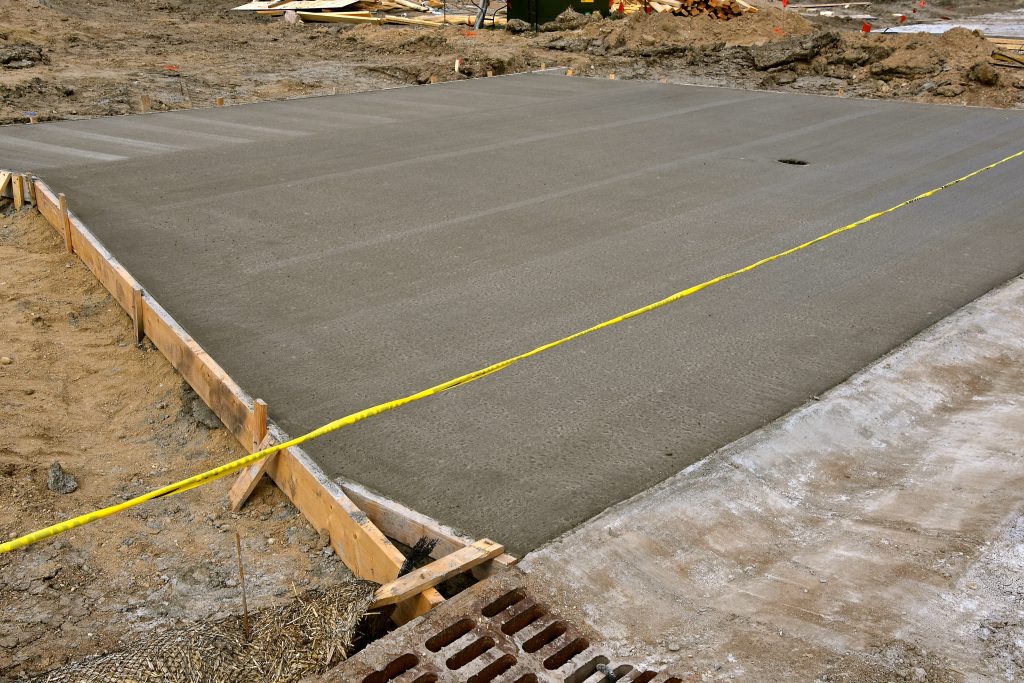
A damaged or stained garage floor in Roseville usually needs two things before it looks new again: structural repair of cracks and chips, followed by a protective coating suited to the local climate. Homeowners researching an Epoxy Garage Floor in Roseville are typically trying to solve both problems at once, since cosmetic flaws and surface wear tend to appear together on older slabs.
Concrete garages in this region face wide temperature swings between summer heat and winter cold, along with occasional moisture intrusion from grading or irrigation near the foundation. An Epoxy Garage Floor in Roseville CA installation is designed to address both the look and the long-term wear resistance of a slab exposed to vehicle traffic, oil drips, and seasonal shifts. Getting the repair and coating sequence right matters more than the coating brand itself.
Concrete garage floors break down for predictable reasons tied to how the slab was built and how it is used over time.
• Shrinkage cracking : Concrete contracts as it cures, often producing hairline cracks within the first year.
• Settling and soil movement : Expansive clay soils common in parts of the Sacramento region can shift slabs over time.
• Surface abrasion : Tires, dropped tools, and foot traffic wear down the top layer of unsealed concrete.
• Chemical exposure : Motor oil, brake fluid, and de-icing residue degrade bare concrete faster than coated surfaces.
Each of these issues needs to be addressed before any coating goes down, since a coating applied over an active crack or unresolved moisture problem will likely fail early.
Moisture trapped beneath a slab is one of the most common causes of coating failure, and it is not always visible from the surface. A slab can look light gray and feel dry while still carrying moisture vapor that pushes up against a newly applied coating.
Industry guidance recommends testing before any epoxy work begins. According to the American Concrete Institute’s guidance summarized by Concrete Network, a calcium chloride test can quantify moisture vapor emission, and a reading of roughly three pounds per 1,000 square feet per 24 hours or less is generally acceptable for most coating manufacturers. For most residential garages, a simpler plastic sheet test or a moisture meter scan is often sufficient to flag problem areas before deeper testing is warranted.
Typical preparation steps include:
1. Inspecting for cracks, efflorescence, or previous coating failure.
2. Grinding or shot-blasting the surface to open the concrete pores for adhesion.
3. Repairing cracks and spalled areas with a compatible patching compound.
4. Testing moisture levels and applying a vapor barrier primer if needed.
5. Allowing full cure time before the base coat and topcoat are applied.
Homeowners choosing a finish for a Roseville garage usually weigh a few common options side by side.
| Coating Type | Durability | Maintenance | Best Fit |
| Epoxy coating | High resistance to stains, chemicals, and impact | Low; wipes clean easily | Daily vehicle use, workshops |
| Stain and seal system | Moderate to high, depends on sealer quality | Periodic resealing | Homeowners wanting a decorative, lower-sheen look |
| Bare sealed concrete | Lower resistance to oil and abrasion | Frequent resealing | Light-use garages, budget projects |
Each approach has tradeoffs in appearance, cost, and how often the surface needs attention. A stained and sealed finish offers a more natural concrete look, while an epoxy system generally holds up better against daily vehicle traffic and chemical spills.
Not every concrete contractor treats garage floor coating as a specialty, and installation quality has a direct effect on how long a coating lasts. Surface grinding, crack repair, moisture mitigation, and coating cure times all require attention to sequence and timing rather than a one-size-fits-all approach.
Roseville homeowners can consider garage floor resurfacing, refinishing, and coating options, including stain and seal systems as an alternative to traditional epoxy. Property owners weighing repair versus full replacement often benefit from an on-site evaluation, since the right approach depends on the slab’s current condition and how the garage is used day to day.
How long does a garage floor coating typically last? Longevity depends on surface prep, product quality, and daily use, with properly installed systems generally outperforming do-it-yourself kits over time.
Can a coating go over an existing crack without repair? No. Cracks should be repaired first, since coating over an active crack usually leads to the same crack reappearing through the new surface.
Is epoxy the only option for a garage floor upgrade? No. Stain and seal systems and other coating alternatives are available for homeowners who want a different look or maintenance profile than standard epoxy.
Does Roseville’s climate affect coating performance? Yes. Temperature swings and occasional moisture intrusion make proper curing time and moisture testing important steps before any coating is applied.
A garage floor project in Roseville tends to go smoothly when repair, moisture control, and coating selection are treated as connected steps rather than separate decisions. Innovative Concrete Solutions can help homeowners address the slab’s condition first and then match the coating system to how the space gets used, giving them a finish designed to hold up through daily traffic and seasonal changes.
Keep reading
Establishing clear and accurate property boundaries is essential for property owners, developers, and anyone involved in real estate...
Read article →
As homeowners look for practical ways to enhance their property value and gain usable living space, basement renovations...
Read article →
Sustainable building practices have become a top priority for businesses and property developers seeking to minimize environmental impact...
Read article →