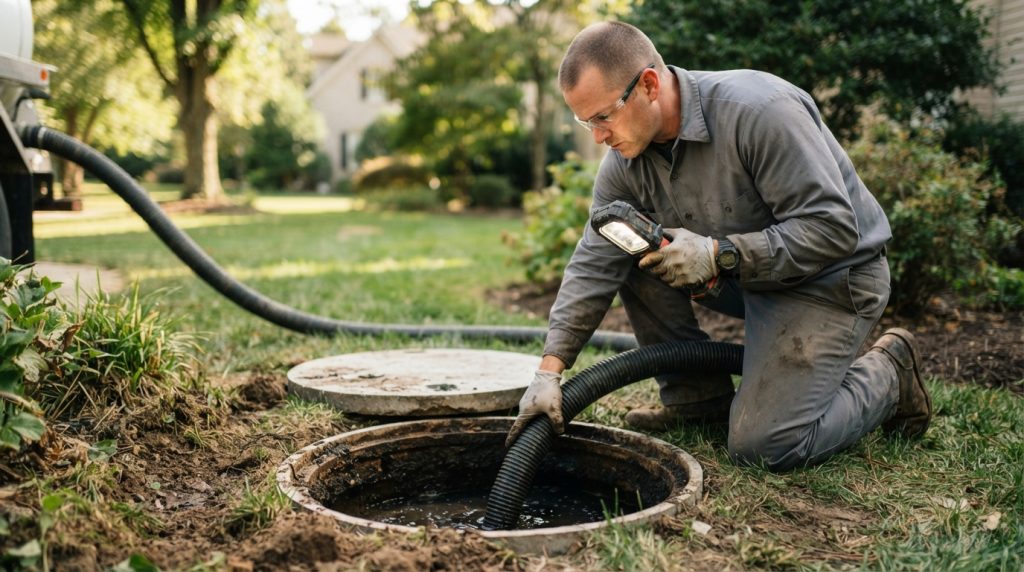
What Every Homeowner Should Know About Septic Tank Service
Quick summary: A septic tank holds and partially treats wastewater from a home before it filters into a...
Read article →Home / Plumbing and Plumbers / Article
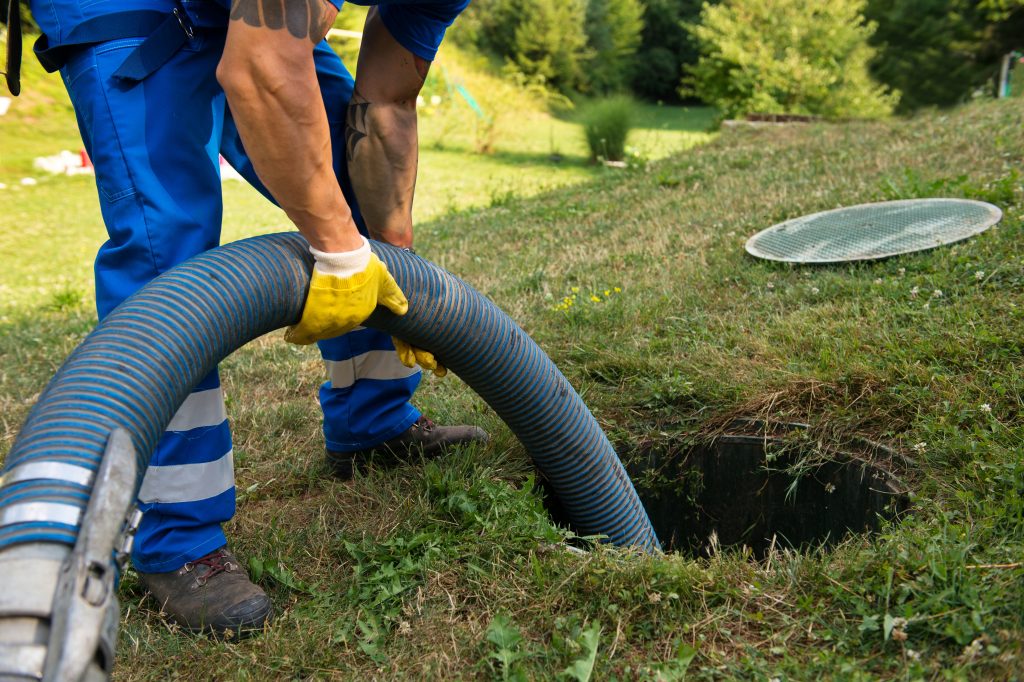
Those considering hydro jet drain cleaning service in Chicago often have questions about the process. Read on to learn more about how this power drain cleaning method can clean household pipes quickly and eliminate drainage issues.
Is Hydro Jetting a Safe Option for Residential Pipes?
Hydro jetting is completely safe when completed by trained, licensed plumbers. In many situations, it’s much better for pipes than using a metal snake. However, properties with old pipes want to exercise caution because the pressurized water hydro jetting produces can further damage already-brittle piping.
Does Hydro Jetting Take Long?
Hydro jetting is a quick process, but how long it actually takes depends on the following:
Expect the process to take at least a few hours.
Why Is Hydro Jetting More Effective than Other Drain Cleaning Methods?
Traditional professional drain cleaning methods included snaking. While snaking a drain can get water moving in the right direction, it’s not the most efficient way to go about it. Hydro jet machines are more versatile. They use multiple jets to break up compacted debris and wash it away.
Snaking creates a hole in the debris blocking the pipe; eventually, that hole will fill back in. Hydro jetting clears the clog completely, leaving the line in like-new condition. Hydro jetting is also better for removing grease buildup and breaking up tree roots in the pipe.
For more answers to questions about hydro jet drain cleaning service in Chicago, contact the team of Grayson Sewer and Drain Services.
Keep reading
Quick summary: A septic tank holds and partially treats wastewater from a home before it filters into a...
Read article →
When temperatures fluctuate throughout the year, homeowners in Shrewsbury know how vital a reliable HVAC system is for...
Read article →
Quick take: • Most households should schedule septic tank pumping every three to five years, with household size...
Read article →