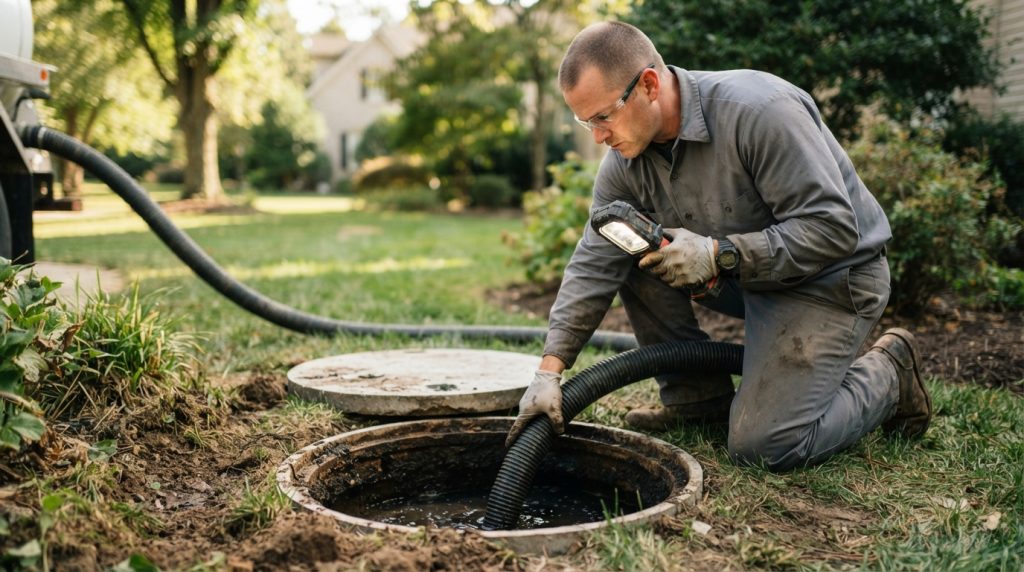
What Every Homeowner Should Know About Septic Tank Service
Quick summary: A septic tank holds and partially treats wastewater from a home before it filters into a...
Read article →Home / Plumbing and Plumbers / Article
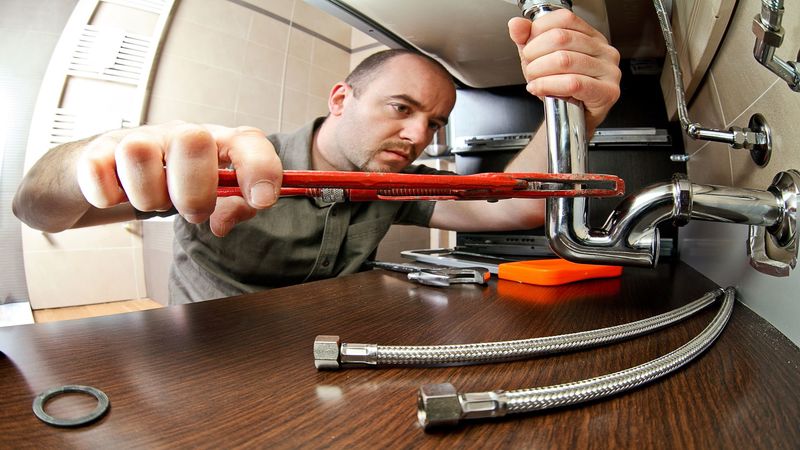
When it’s time to get pipe replacement in Estero, FL, you have several options for pipe materials to choose from. Of course, the installer will guide you to the right choice for your situation, but it doesn’t hurt to be informed about what’s available. Here are three of the most popular materials used for pipes in Estero.
Stainless Steel
Stainless steel is the best material you can get for coastal areas like Estero. The pipes in coastal homes are prone to corrosion because of the mineral contents of coastal water. Stainless steel does not corrode, but the downside is that it’s very expensive.
Copper
Copper is one of the top choices because it lasts longer than any other material and it also fights against corrosion. However, copper is expensive and requires soldering. This can drive up the cost of installation and cause the installation process to take longer.
PVC
Polyvinylchloride
(PVC) pipes are quickly becoming a favorite material for pipe
replacement in Estero,
FL, because
it’s cheap, durable, flexible, and lightweight. PVC doesn’t corrode
and doesn’t absorb chemicals. However, it can’t handle extremely hot
temperatures because, well, it’s plastic. One other downside is that
the joints are thick, so PVC isn’t suitable for use in tight
spaces.
If
you’re in Estero or surrounding areas, and you’re in need of pipe
replacements, you should always choose a reputable company. First
Class Plumbing of Florida, Inc.
has been providing top quality service to the area for over 20 years.
For more information, visit our Facebook profile.
Keep reading
Quick summary: A septic tank holds and partially treats wastewater from a home before it filters into a...
Read article →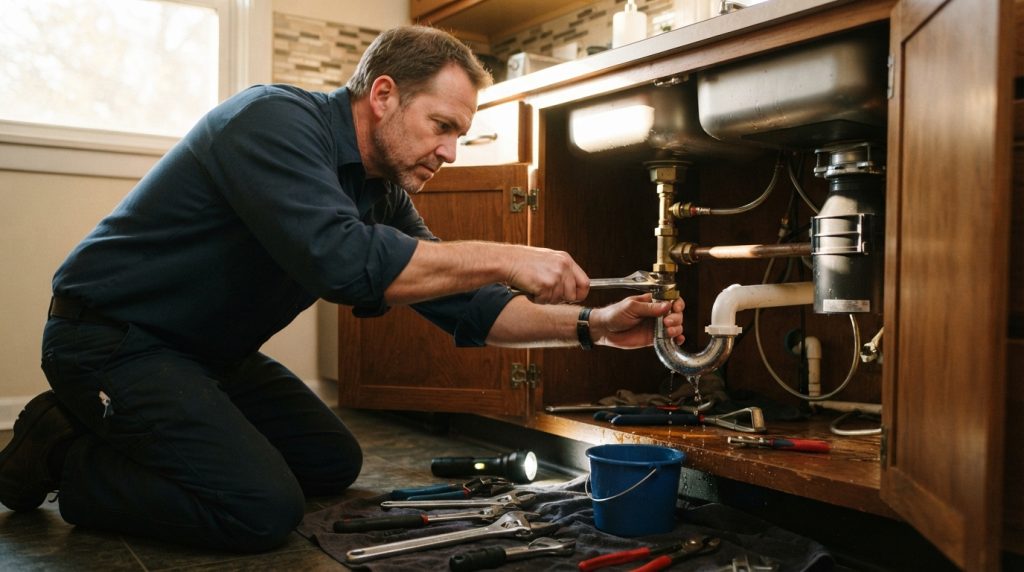
When temperatures fluctuate throughout the year, homeowners in Shrewsbury know how vital a reliable HVAC system is for...
Read article →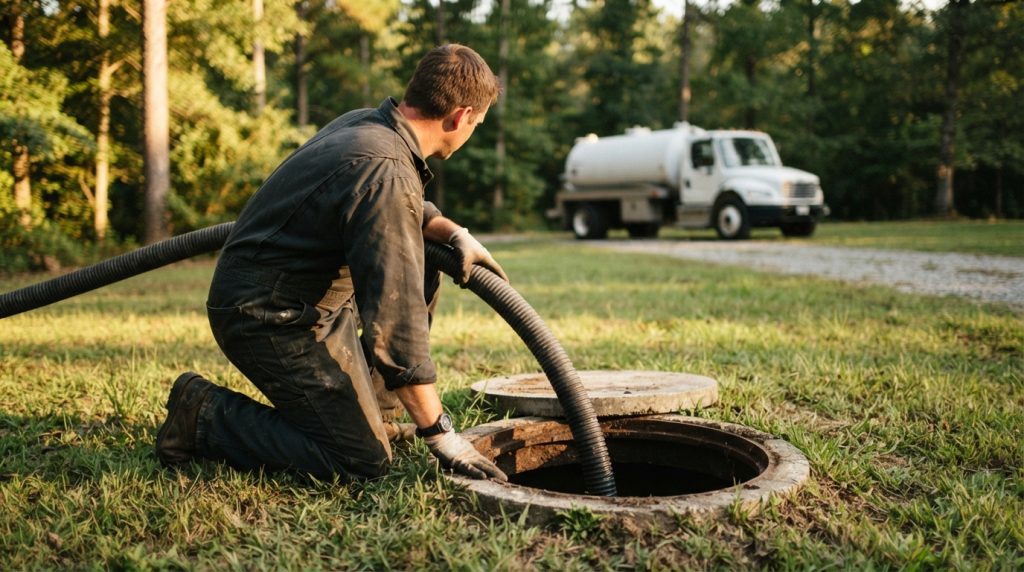
Quick take: • Most households should schedule septic tank pumping every three to five years, with household size...
Read article →