
Understanding the Benefits of Regenerative Therapy for Patients
Recap: • Regenerative therapy uses the body’s own biological processes, such as peptide support and platelet-rich plasma, to...
Read article →Home / Health Spa / Article
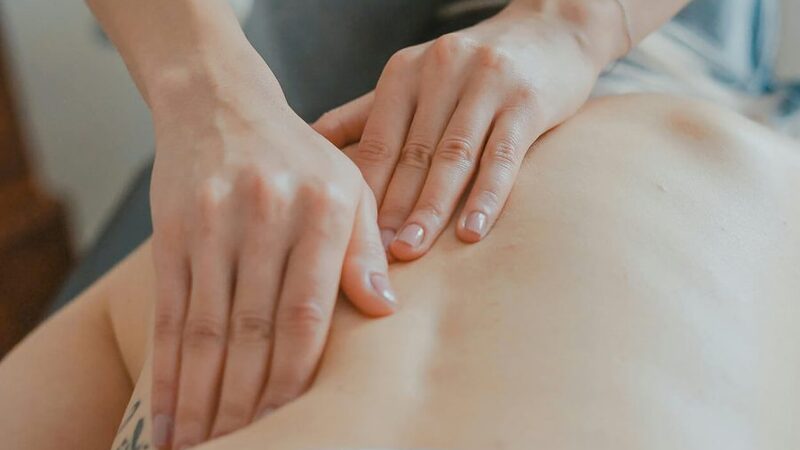
Having ticklish feet does not automatically mean reflexology massage is unsuitable. Its targeted pressure differs from deliberate tickling, although individual responses vary and a practitioner cannot promise that every touch will feel comfortable.
For someone considering an appointment, the concern is practical: will they be able to settle in, or will they spend the session trying not to pull their feet away? That is worth discussing before booking.
A professional conversation can clarify the type of contact involved, the provider’s approach, and the options available if foot work does not feel enjoyable. There is no need to pretend a concern is minor simply because the goal is relaxation.
Reflexology involves applying pressure to particular areas of the feet or hands. It is deliberate bodywork, with contact directed toward selected points rather than an attempt to provoke laughter.
That distinction matters when someone’s expectations come from playful foot tickling or a previous experience with fleeting, unexpected touch. A professional session has a different purpose and setting.
However, describing reflexology as targeted does not establish how a particular person will experience it. Someone may find the contact comfortable, while another may remain sensitive in certain areas.
A responsible explanation therefore leaves room for both possibilities. Reflexology is not designed to tickle, but a client’s actual response matters more than reassurance that it supposedly never does.
The National Center for Complementary and Integrative Health describes reflexology as pressure applied to specific points on the feet or hands. It also distinguishes the practice’s underlying theories from proven health effects.
Pressure is something to discuss with the practitioner, rather than a simple solution to ticklishness. Increasing force until a person stops reacting is not an appropriate goal for a relaxation-focused appointment.
A therapist may be able to consider a different quality of contact, pace, or area of focus. Whether an adjustment is suitable depends on their training, the client’s preferences, and relevant health information.
The important question is whether contact feels comfortable enough to continue. Strong pressure that replaces ticklishness with pain has not resolved the client’s concern.
For example, a person might explain that they dislike light contact around their toes but are unsure how targeted pressure will feel. That gives the provider something specific to discuss without prescribing a technique or demanding greater intensity.
A previous preference for firm bodywork also does not mean every part of the feet will tolerate the same pressure. Comfort should be assessed during the actual appointment.
“I have ticklish feet” is a useful starting point. A little context can make the conversation more productive.
Someone who occasionally laughs when their feet are touched may have different concerns from a person who strongly dislikes any foot contact. Neither person needs to minimize their experience.
It can help to explain:
These details help a professional explain what their service involves. They also give the prospective client an opportunity to decide whether the approach sounds suitable.
For people exploring Reflexology Massage in Goodyear, Renew Wellness Studio identifies the service as a standalone offering focused on the hands and feet. Their information names AJ as the therapist whose specialty is reflexology, giving readers a specific practitioner to ask about their concerns.
The client can say so immediately. They do not need to wait until a planned section is finished or worry about interrupting the practitioner’s concentration.
Clear feedback is more useful than trying to remain still while feeling increasingly uncomfortable. The practitioner can discuss whether to change the contact, leave an area alone, pause, or end the session.
Laughter alone should not be treated as confirmation that someone is enjoying the experience. A person may laugh and still want the contact to stop.
There is also no obligation to turn an appointment into an exercise in tolerating touch. If the session does not feel worthwhile, stopping is a valid outcome.
Agreeing beforehand on how to request a pause can make that conversation easier. It gives both people a clear way to respond if the experience differs from expectations.
Reflexology can involve the hands as well as the feet. Hospital-based complementary therapy services, including University College London Hospitals, describe hand-focused work as an option within their reflexology offerings.
That does not mean every local provider offers every variation or can substitute one approach automatically. The practical step is to ask what their own service includes.
For someone who likes the idea of focused, hands-on relaxation but dislikes foot contact, asking about the hands may open a useful discussion. The practitioner can explain whether it fits the appointment and the person’s goals.
There is no need to assume that choosing reflexology requires agreeing to foot work that feels unwelcome. Preferences should be clarified before the session plan is settled.
Describing all unwanted sensations as “sensitivity” can make the conversation less clear. Ticklishness, tenderness, and painful contact are different experiences, even if a person initially uses the same word for them.
A client should describe what they actually feel rather than assume the practitioner will interpret a reaction correctly. Pulling away might reflect ticklishness, discomfort, surprise, or a wish to stop.
Painful or newly changed sensations should not be dismissed as ordinary ticklishness. A therapist cannot diagnose the cause through reflexology, and medical concerns belong with an appropriate healthcare professional.
Mayo Clinic advises discussing health history before massage and avoiding pressure over areas with healing wounds or nerve damage. A professional service still requires judgment, even when the appointment is intended mainly for relaxation.
Reflexology does not generally require undressing for full-body work. The Association of Reflexologists explains that, depending on the service, only footwear may need to be removed.
That can appeal to someone who prefers a more limited area of contact. Remaining clothed, however, does not remove the need to discuss comfort and consent.
Details such as positioning, how the practitioner explains contact, and whether conversation is welcome can be explored before the appointment. Providers may organize sessions differently, so asking is more reliable than assuming a universal routine.
A person does not have to arrive already comfortable with every part of the experience. Understanding what is proposed allows them to make a more informed decision about participating.
Someone seeking stress relief massage may hope for a quiet period of supportive contact and time away from everyday demands. Those are understandable personal goals.
They should not be converted into promises that reflexology will eliminate anxiety, treat an illness, or produce a particular bodily response. Research does not establish the claimed correspondence between foot points and healing in specific organs.
The Association of Reflexologists also states that practitioners should not claim to diagnose or cure conditions. The service should complement appropriate healthcare rather than replace it.
A session can be evaluated in terms of comfort, personal preference, and whether the experience matched the agreed goal. Enjoying it does not require dramatic sensations or an interpretation of every tender point.
Equally, deciding it is not enjoyable does not mean the client failed to relax correctly.
The useful starting point is the reason for seeking care. Someone wanting focused contact on the hands or feet may have different preferences from someone seeking attention to persistent shoulder tension.
A broad label such as wellness massage therapy does not explain every technique included. Asking about the actual service, the practitioner’s training, and the expected area of contact provides more useful information.
For a ticklish client, the provider’s response to questions matters. A thoughtful conversation should make room for uncertainty and preferences, without guaranteeing that the person will tolerate everything.
The choice can remain open until those questions are answered. A suitable appointment is one the client understands and freely agrees to receive.
Ticklish feet can be part of an ordinary discussion about comfort. The concern does not automatically exclude reflexology, and it should not be waved away with a universal promise.
Understanding the contact involved, explaining preferences, and retaining the option to pause can support a more comfortable decision. A professional can help clarify whether their service fits what the person wants from an appointment.
Located in Goodyear, AZ, Renew Wellness Studio offers massage and wellness services, with reflexology provided by licensed massage therapist Aaliyah Jefferson, known as AJ. Their reflexology offering focuses on the hands and feet and is available as a standalone session. For service questions, readers can reach them at (623) 535-7826 or view their Goodyear studio on Google Maps.
Keep reading
Recap: • Regenerative therapy uses the body’s own biological processes, such as peptide support and platelet-rich plasma, to...
Read article →
Clear communication about pressure and positioning preferences helps create a more comfortable and personalized massage experience. Whether receiving...
Read article →
In today’s fast-paced world, stress and sleepless nights have become common challenges for many people. Finding effective ways...
Read article →