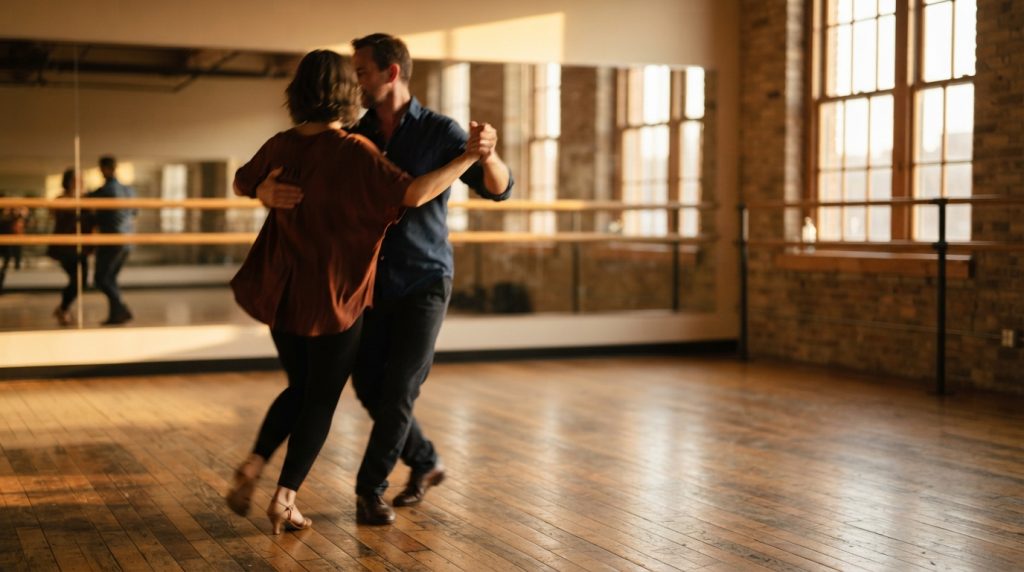
Finding the Right Hustle Dance Studio Experience for Adults in Humble, TX
Summary: Adults searching for a reliable place to learn Hustle in the Humble area are typically looking for...
Read article →Home / Dance School / Article
In brief:
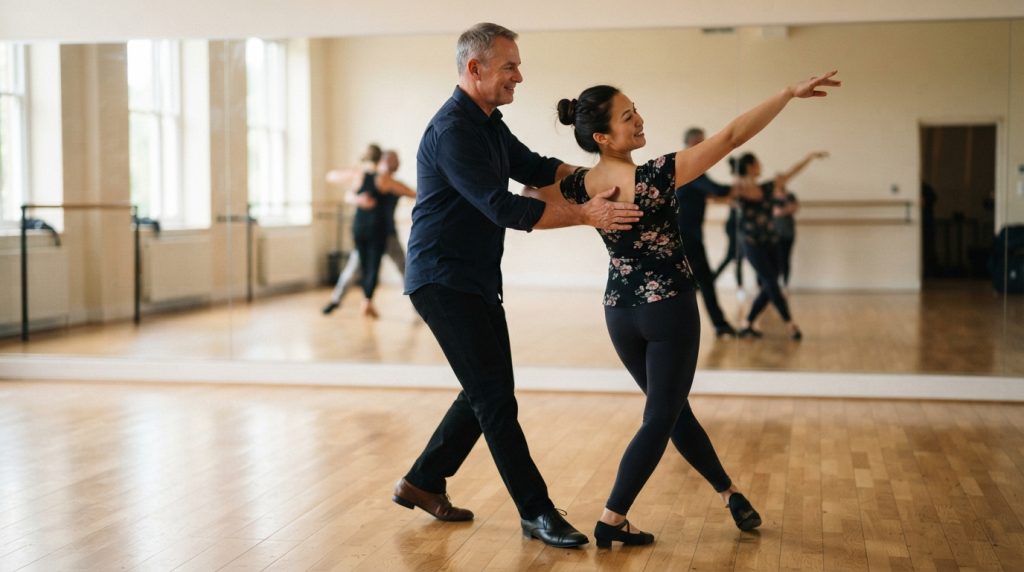
Dance lessons offer a structured way to build physical coordination, confidence, and social connection, regardless of age or prior experience. For adults in Montclair, NJ, weighing new activities, partnered and solo dance styles provide measurable fitness and cognitive benefits that are supported by movement at a manageable pace.
Learning technique from an instructor differs from casual dancing at social events because it builds skills in sequence. Dance Lessons typically start with posture, frame, and basic step patterns before layering in timing and partner connection. This progression reduces injury risk and helps students retain what they learn instead of relying on imitation alone.
Instruction formats generally fall into a few categories:
Regular movement practice supports several measurable health outcomes that extend beyond entertainment value.
According to the CDC’s guidance on physical activity, regular movement helps reduce the risk of chronic disease and supports mental health across adult age groups. Dance qualifies as a form of structured aerobic activity when practiced consistently, making it a reasonable option for adults seeking variety in a fitness routine.
Choosing between formats depends on budget, schedule, and comfort level with group settings. The table below outlines general tradeoffs.
| Format | Typical Focus | Best For |
| Private lesson | Individualized pacing and goals | Beginners, event prep, fast progress |
| Group class | Foundational steps, social practice | Budget-conscious learners, meeting partners |
| Practice session | Reinforcing prior instruction | Students building muscle memory |
Each format can complement the others. Many students start with a few private sessions to learn fundamentals, then shift into group classes for ongoing practice and social interaction. Adults in Montclair, NJ, often find that combining formats keeps the learning curve manageable while allowing flexibility around work and family schedules.
Skill development in dance follows a gradual curve, similar to other physical disciplines. Students who attend lessons consistently for several weeks typically notice improved timing and confidence before mastering advanced footwork. Expecting polish within the first few sessions sets an unrealistic benchmark and can discourage continued practice.
Reasonable milestones include:
Do I need a dance background to start lessons? No prior experience is required. Instruction typically begins with basic posture and footwork regardless of age or background.
How often should beginners attend lessons? Weekly attendance is common for steady progress, though some students supplement with additional practice sessions.
Can dance lessons help with balance issues in older adults? Structured movement practice, including dance, is associated with improved balance and coordination, as noted by the CDC’s physical activity research referenced above.
Is private or group instruction better for beginners? Both formats work well together; private lessons build individualized technique while group classes offer social practice and reinforcement.
Based in Cedar Grove, NJ, Fred Astaire Dance Studios serves individuals across Montclair, NJ, who are considering structured movement instruction. This paragraph reflects only verified identity and location details.
Scheduling details and format options for Fred Astaire Dance Lessons are published for individuals comparing private and group instruction formats in the area.
Keep reading
Summary: Adults searching for a reliable place to learn Hustle in the Humble area are typically looking for...
Read article →
Whether you’re a beginner looking to try something new or an experienced dancer aiming to enhance your technique,...
Read article →Rediscovering joy and self-assurance as an adult can be transformative, and one of the most enjoyable ways to...
Read article →