
Save More on Coverage with an Auto Insurance Agency Boiling Springs SC Residents Trust
Finding the right car insurance can feel overwhelming, especially when you’re looking for ways to save without sacrificing...
Read article →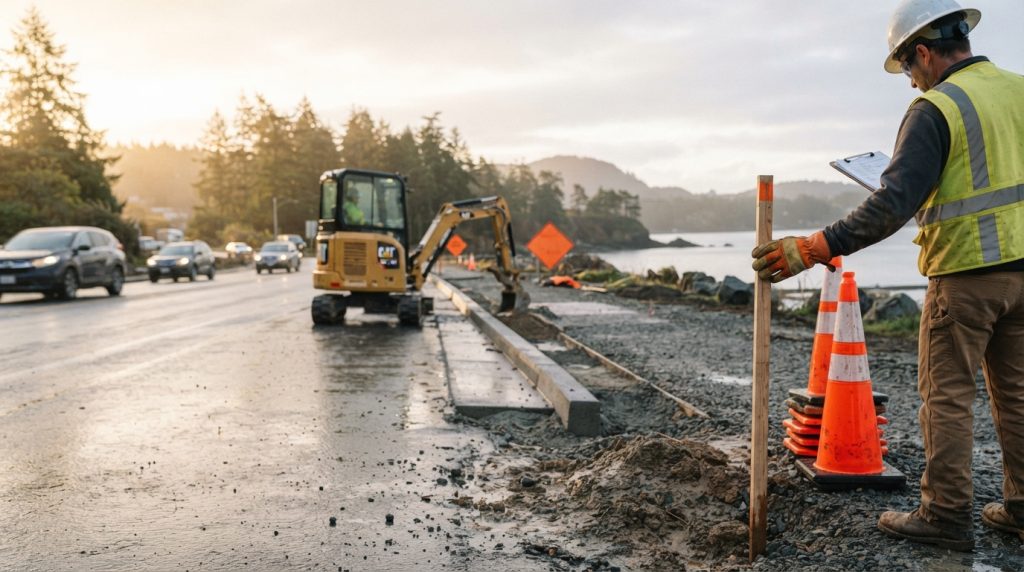
Short version:
• Coos Bay requires a bond for permits involving work in the public right of way, including sewer, sidewalk, street, and site development permits.
• Development bonding protects the city by guaranteeing that contractors restore public infrastructure and complete permitted work correctly.
• An independent local agency can help contractors and developers secure the right bond type before a permit application stalls.
Anyone applying for a building or public works permit in this coastal Oregon city eventually runs into a bonding question. Property owners, contractors, and developers working on projects that touch public infrastructure need to know when a bond is required, what it covers, and how to get one before a permit is delayed. Development bonding in Coos Bay is not optional paperwork; it is a financial guarantee tied directly to the city’s permitting process.
Local guidance from Bain Insurance confirms that bonding is one of the services offered alongside contractor, business, and liability coverage for clients working on regional development projects. Because bonding rules are set by the municipality rather than an insurance carrier, understanding the local permit structure first makes the bonding conversation much easier.
The City of Coos Bay ties bonding requirements to work that affects the public right of way or shared infrastructure. According to the city’s permit guidance, if a repair is in the right of way, such as under the sidewalk or street, the permit needs to include right of way use and will require a bond. This applies broadly, not just to sewer work.
A few common triggers for bonding include:
• Sewer connections or repairs that touch storm or sanitary infrastructure, since a Public Works Permit is required for a new connection or a repair of an existing connection to the sewer, including both sanitary sewer and storm sewer connections.
• Site development activity, since a site development permit is required for all proposed grading activity, including lot leveling, slope grading, site drainage, and retaining wall excavation and fill.
• Driveway, sidewalk, or street work located in the right of way, which is public property covering thoroughfares and adjacent infrastructure.
The city notes that a Public Works Permit ensures new work in the right of way meets applicable codes, does not interfere with existing infrastructure, and restores landscaping and road conditions to the same or better state after work is completed. The bond functions as financial assurance that this restoration actually happens.
A development or surety bond is a three-party arrangement, not a traditional insurance policy. Industry guidance explains that a surety bond is a contract between three parties: the principal, the surety, and the obligee, where the principal is the contractor completing the work and the obligee is the party requiring the guarantee, in this case the city.
Unlike insurance, which spreads risk across policyholders, a surety bond ensures a commitment by the principal, while insurance guarantees a coverage of losses and is meant to protect the consumer buying the policy. This distinction matters because bonds are typically a one-time cost tied to a specific project or permit, not a recurring premium.
| Feature | Development/Surety Bond | Traditional Insurance |
| Payment structure | One-time bond premium | Recurring monthly or annual premium |
| Who it protects | The obligee (city or agency) | The policyholder |
| Typical use | Right-of-way or public works permits | General liability, property, auto |
| Trigger | Permit application requiring guarantee | Ongoing coverage need |
For broader context on how public works permitting connects to right-of-way protections nationally, the Federal Highway Administration’s guidance on right-of-way management outlines why municipalities require restoration guarantees for work performed on public infrastructure.
Contractors and developers benefit from confirming bond type and amount with the city’s Planning or Public Works Division before submitting a permit application. The Planning Division’s role is to guide projects through review, since it conducts pre-application conferences, reviews projects for compliance with the Development Code, and guides each project through the approval process when requirements are satisfied. Pairing that early conversation with an agency familiar with local bonding options can prevent last-minute delays.
• Confirm whether the project touches the right of way or existing utilities.
• Ask the Public Works counter which permit type applies to the scope of work.
• Secure the bond before the permit application is finalized, not after.
Does every building permit in Coos Bay require a bond? No. Bonds are tied specifically to work affecting the right of way or public infrastructure, such as sewer connections, site development grading, or street and sidewalk work, rather than every building permit.
Who decides the bond amount for a project? The city’s Public Works or Engineering Division sets bonding requirements based on the scope and location of the work, since the permit itself dictates whether right-of-way use applies.
Is a development bond the same as general liability insurance? No. A bond guarantees the obligee that the principal will complete or restore the work as required, while insurance protects the policyholder against covered losses.
Can bonding delay my project timeline? It can if the bond is not arranged before permit submission. Confirming requirements with the city and a bonding provider early helps keep the permit review on schedule.
Coos Bay’s bonding rules are grounded in specific permit categories tied to public infrastructure, not blanket policy for every construction job. Contractors and property owners who confirm requirements with the Public Works Division early, then pair that with the right bonding partner, tend to move through permitting with fewer surprises. For guidance on securing the correct bond type for a specific project, Bain Insurance Agency can walk through the available options based on the scope of work involved.
Keep reading
Finding the right car insurance can feel overwhelming, especially when you’re looking for ways to save without sacrificing...
Read article →Buying your first home in Cleveland is an exciting milestone, but it also comes with new responsibilities. One...
Read article →
When a severe storm sweeps through Seattle, the aftermath often leaves homeowners and businesses grappling with significant property...
Read article →