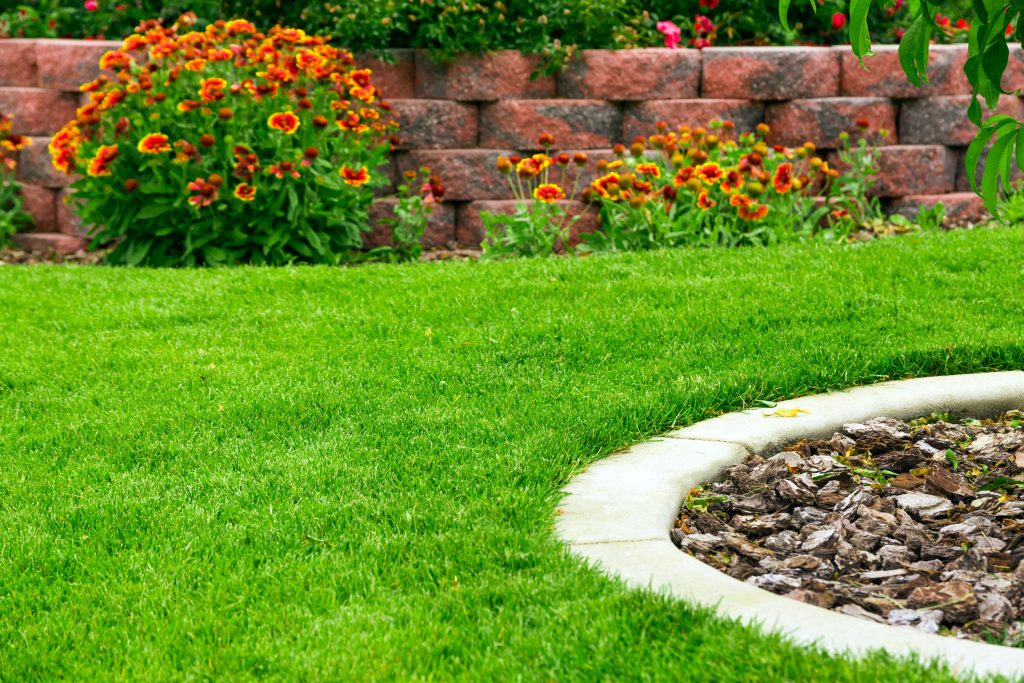
Boost curb appeal and property value with Bergen County, NJ hardscaping solutions.
Enhancing a home’s exterior is one of the most effective ways to increase both its curb appeal and...
Read article →Home / Home and Garden / Article
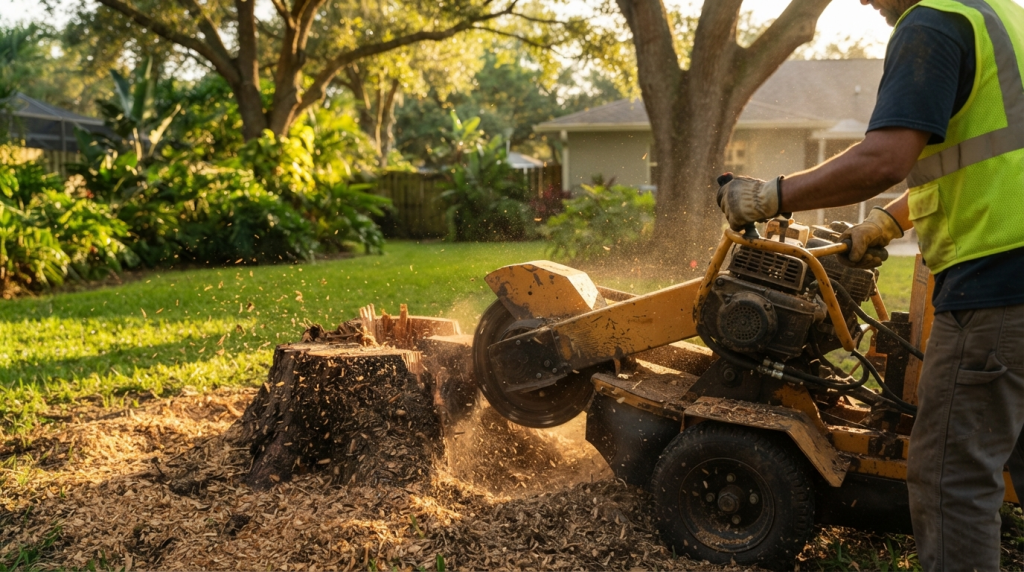
A stump left in the yard is not a dead piece of wood. It is a living root system still capable of pushing out new shoots, which is why removing only the visible trunk rarely solves the problem for good.
Many Westchase homeowners search for Stump Grinding Westchase FL after noticing shoots sprouting from an old stump weeks or months after a tree was cut down. This regrowth happens because the roots still hold stored energy and dormant buds near the base of the trunk, sometimes called the root collar, that activate when the tree loses its canopy.
Why Stumps Keep Sprouting After a Tree Is Cut
A tree trunk is only part of the living structure. The root system below ground can continue functioning for months, feeding dormant buds that sit just under the bark near the stump’s base.
According to Penn State Extension, these buds are suppressed dormant buds at the root collar that become active when a tree experiences injury or a major disturbance, such as being cut down. This biological response explains why a stump that looks finished above ground can send up thin, leafy shoots within a single growing season.
Left unaddressed, a sprouting stump creates a cycle of maintenance problems:
How Grinding Below Ground Stops Regrowth
Stump grinding addresses the problem mechanically rather than chemically. A grinding machine uses a rotating cutting wheel to break down the stump and the surrounding root collar into wood chips, working down several inches below the surrounding soil level.
This depth matters because the dormant buds responsible for sprouting are concentrated at and just below the root collar. When that tissue is physically destroyed, the stump no longer has the living structure needed to generate new shoots, which is different from simply cutting a stump flush with the ground.
| Method | What Happens Below Ground | Regrowth Risk |
|---|---|---|
| Cutting stump flush | Root collar and roots remain intact | High |
| Chemical stump killer | Slows growth but roots often persist | Moderate |
| Stump grinding | Root collar ground out below soil line | Low |
What the Grinding Process Involves
A typical stump grinding job follows a straightforward sequence, though the exact approach depends on stump size, species, and root spread.
ATS Tree Service, LLC performs this work as part of a full tree removal process, grinding and removing stumps completely so the space is left smooth and clear for landscaping or recreation. Their crew hauls away wood chips and residue so the yard is left finished rather than requiring additional cleanup. For broader context on how woody plants respond to cutting and injury, the Penn State Extension guide on stump sprouting biology explains why certain species are more persistent sprouters than others.
Choosing the Right Timing for Stump Removal
Stumps are easiest to grind soon after a tree comes down, before roots have time to decay unevenly or before new shoots have a chance to establish themselves. Waiting longer does not make the job easier and can allow pest activity to increase around the decaying wood.
Property owners planning landscaping projects, new plantings, or patio installations benefit from scheduling stump removal as a distinct step after tree removal rather than treating it as optional cleanup.
Frequently Asked Questions
Does stump grinding remove the entire root system? No. Grinding removes the stump and the upper root collar below the soil surface, which stops sprouting, but deeper roots are left in place to decompose naturally over time.
How soon after tree removal should a stump be ground? Grinding soon after removal is generally easier and helps prevent early sprouting or pest activity around the exposed wood.
Can grass or new plants grow where a stump used to be? Yes. Once the area is leveled and cleared of wood chips, the space is typically ready for sod, mulch, or new plantings.
Is stump grinding different from full stump removal? Grinding grinds the stump and root collar below grade and leaves most roots to decompose, while full removal extracts the entire root ball and is more invasive.
Stump sprouting is a biological response, not a cosmetic inconvenience, and addressing it requires removing the living tissue that drives regrowth. Homeowners in Westchase dealing with a sprouting or decaying stump can contact ATS Tree Service, LLC to have the area assessed and cleared properly, leaving the yard ready for whatever comes next.
Keep reading
Enhancing a home’s exterior is one of the most effective ways to increase both its curb appeal and...
Read article →
A beautifully designed backyard is more than just an outdoor space—it’s an extension of your home, a place...
Read article →Gardening enthusiasts and homeowners alike know expert advice can make all the difference in creating a thriving outdoor...
Read article →