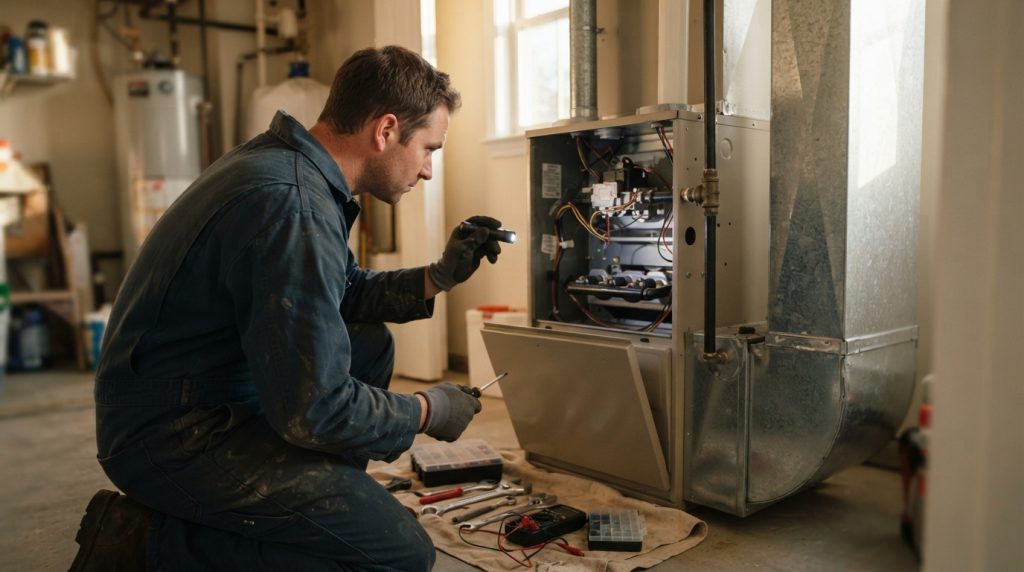
Important Considerations for Furnace Installation in Oklahoma City OK
Bottom line: Homeowners searching for furnace installation in Oklahoma City OK are usually trying to answer one question:...
Read article →Home / HVAC Contractors / Article
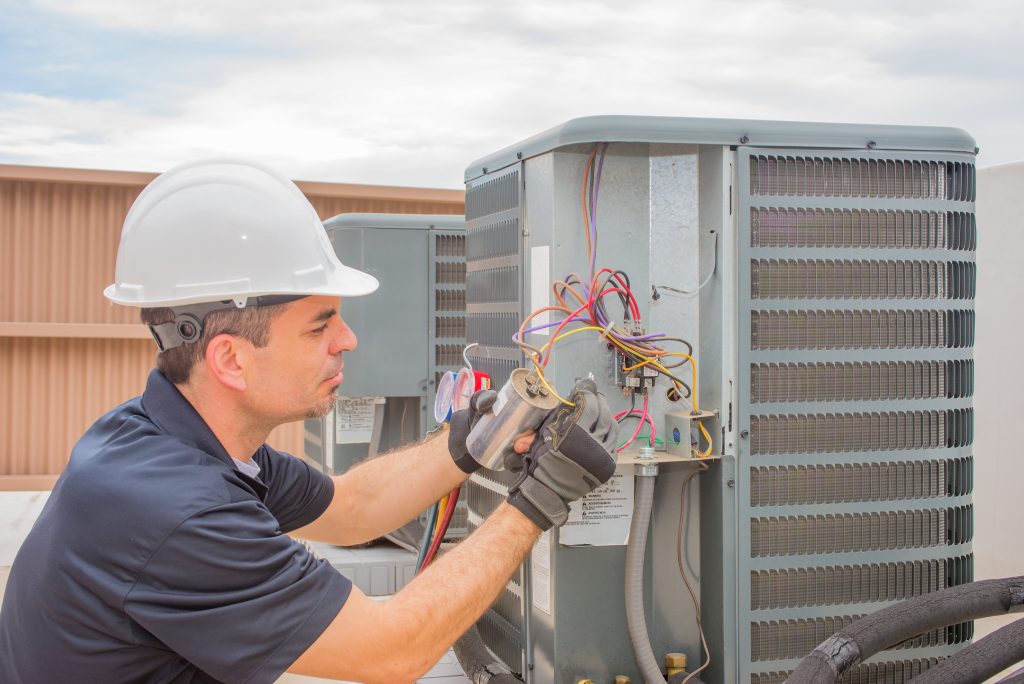
An HVAC system may blow cool air at the beginning of a cycle and then turn warm because a component stops working properly as operating pressure, temperature, or electrical demand increases. Common causes include a frozen evaporator coil, restricted airflow, low refrigerant, an overheating outdoor unit, or a failing electrical component.
This pattern can be confusing because the system appears to operate normally when it first starts. However, a problem that develops after several minutes often indicates that the equipment cannot maintain normal cooling conditions throughout a full cycle.
Can Restricted Airflow Cause the Air to Turn Warm?
Restricted airflow is one of the most common reasons cooling performance changes during operation. A clogged air filter, blocked return vent, closed supply register, dirty indoor coil, or blower problem can reduce the amount of air moving through the system.
When airflow becomes too limited, the evaporator coil may grow excessively cold. Moisture on the coil can then freeze, creating a layer of ice that blocks even more airflow. The system may initially produce cool air, but the air from the vents can gradually become weak or warm as ice continues building.
Homeowners can check the filter and confirm that indoor vents are open. If airflow remains weak, an HVAC contractor may need to inspect the blower assembly, indoor coil, and duct system.
Could the Evaporator Coil Be Freezing?
Yes. A frozen evaporator coil can allow an HVAC system to cool normally for a short period before performance declines. Ice prevents the coil from absorbing indoor heat effectively, so the system may continue running without producing properly cooled air.
Low airflow is a frequent cause, but low refrigerant levels, dirty coils, damaged blower components, and control problems can also contribute. Visible ice on refrigerant lines or water near the indoor equipment after the ice melts may indicate this condition.
The system should usually be turned off if freezing is suspected. Continuing to operate it can place additional strain on the compressor and may lead to more extensive HVAC unit repair.
Can Low Refrigerant Cause Cooling to Fade?
Low refrigerant can prevent an air-conditioning system from maintaining consistent cooling. The system may begin a cycle with somewhat cool air, but changing pressures can reduce its ability to absorb and release heat as it continues operating.
Refrigerant does not normally get consumed like fuel. If the level is low, there may be a leak, an incorrect charge, or a problem related to previous service work. Simply adding refrigerant without identifying the reason for the loss may provide only temporary improvement.
A proper HVAC repair service should include pressure testing, temperature measurements, and an evaluation of the refrigerant circuit. Any confirmed leak should be addressed according to the condition and location of the damaged component.
Why Does the Outdoor Unit Stop Running?
The indoor blower and outdoor unit perform different functions. The blower circulates air through the home, while the outdoor unit releases collected heat. If the outdoor unit stops but the indoor fan continues, the vents may begin blowing room-temperature or warm air.
A failing capacitor, damaged contactor, overheated motor, wiring problem, tripped breaker, or compressor issue can interrupt outdoor unit operation. In some cases, the outdoor unit may restart after it cools, causing the problem to appear intermittent.
Homeowners should not open electrical panels or touch internal components. Electrical testing should be completed by a qualified HVAC contractor because capacitors and other parts may retain dangerous electrical energy even after the system is turned off.
Can Chandler Heat Cause the Outdoor Unit to Overheat?
High outdoor temperatures can make existing equipment problems more noticeable. During a Chandler, AZ summer, the condenser must release indoor heat into already-hot outdoor air. Dirty coils, blocked airflow, failing fan motors, and weak electrical parts may struggle under these conditions.
A system in good operating condition should be able to handle normal seasonal demand. Extreme heat does not automatically mean warm air from the vents is normal. Instead, it may reveal a component that cannot continue operating under a sustained load.
Keeping plants, stored items, and debris away from the outdoor unit can support airflow. Coil cleaning and internal electrical inspection should be handled carefully to avoid equipment damage or injury.
Could the Thermostat Be Causing the Problem?
Thermostat settings should be checked before assuming the equipment has failed. The fan should generally be set to “Auto” rather than “On.” When the fan is set to “On,” it may continue circulating air between cooling cycles, making the air feel warm even though the compressor is not operating.
A thermostat can also develop a faulty temperature reading, damaged wiring, or a communication problem. Smart thermostats may have compatibility or configuration issues that affect staged or variable-capacity equipment.
If the display is blank, changing unexpectedly, or failing to activate cooling correctly, the thermostat and control circuit should be included in the HVAC system repair diagnosis.
When Does Warm Air Point Toward a Larger Repair?
Warm air does not automatically mean the entire system needs replacement. Filters, capacitors, contactors, thermostats, drain switches, and some motor problems may be repairable.
More significant concerns may include a damaged compressor, repeated refrigerant leaks, extensive electrical damage, or ongoing failures in older equipment. System age, maintenance history, repair frequency, and overall performance should be considered together.
Homeowners researching HVAC System Repair can review information from J & N HVAC about system installation when comparing repair and replacement considerations. Their material provides context about equipment selection and the importance of proper installation.
What Should Homeowners Do When the Air Turns Warm?
Homeowners can confirm the thermostat settings, inspect the filter, check whether the outdoor unit is running, and look for visible ice or water near the indoor equipment. They should avoid repeatedly restarting the system, resetting breakers, opening equipment panels, or attempting to handle refrigerant.
If the air repeatedly turns warm after starting cool, the pattern should be evaluated rather than ignored. A complete HVAC repair diagnosis can determine whether the problem involves airflow, controls, refrigerant, electrical components, or the outdoor unit.
Consistent cooling depends on every part of the system continuing to operate throughout the full cycle. Identifying the cause early may prevent additional strain, higher energy use, and a complete cooling shutdown during Chandler’s hottest weather.
Keep reading
Bottom line: Homeowners searching for furnace installation in Oklahoma City OK are usually trying to answer one question:...
Read article →
Across the United States, gas turbines play a crucial role in power generation, supporting everything from regional utilities...
Read article →
Maintaining a comfortable home environment throughout the changing seasons is a top priority for many homeowners. When searching...
Read article →