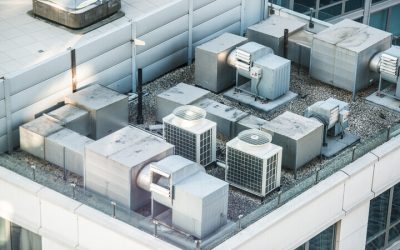
Across the United States, gas turbines play a crucial role in power generation, supporting everything from regional utilities to critical infrastructure. As demand for reliable and efficient energy sources continues to rise, there is a growing emphasis on innovative strategies to enhance turbine performance. One such approach that has garnered significant attention among industry professionals is Turbine Inlet Cooling . This method is increasingly searched for by operators seeking to maximize output while minimizing operational costs and environmental impact.
Understanding the Role of Inlet Air Temperature in Gas Turbine Performance
Gas turbines operate on the principle of drawing in ambient air, compressing it, mixing it with fuel, and igniting the mixture to produce high-energy exhaust gases. These gases turn turbine blades, generating electricity. However, the efficiency and power output of a gas turbine are heavily influenced by the temperature of the air entering the compressor. During hot summer months or in warmer climates, higher ambient air temperatures lead to reduced air density. This, in turn, decreases the mass flow rate through the turbine, causing a noticeable drop in power output and efficiency.
In the United States, where seasonal temperature fluctuations can be significant, the impact of high inlet air temperatures is particularly pronounced. Utilities often contend with peak electricity demand during the hottest periods of the year, precisely when turbines are operating at their least efficient. Addressing this challenge has become a top priority for plant operators and engineers nationwide.
How Advanced Turbine Inlet Cooling Solutions Work
Advanced turbine inlet cooling solutions are designed to reduce the temperature of the air entering the gas turbine compressor. By cooling the inlet air, these systems increase its density, allowing more oxygen to enter the combustion chamber. This results in greater fuel combustion efficiency and higher power output for the same amount of fuel.
Several technologies are commonly used in modern turbine inlet cooling systems:
• Evaporative Cooling: This method uses water evaporation to lower the temperature of incoming air. It’s cost-effective and relatively simple to install but is most effective in dry climates.
• Mechanical Chilling: Mechanical chillers use refrigeration cycles to cool the inlet air. This approach offers precise temperature control and is suitable for a wide range of environmental conditions.
• Fogging Systems: Fine water droplets are sprayed into the inlet air stream, evaporating quickly and absorbing heat. This solution is effective for quick temperature reductions and can be combined with other cooling methods.
• Thermal Energy Storage: Chilled water or ice is produced during off-peak hours and used during peak demand periods, ensuring consistent cooling performance and reducing operational costs.
Each technology has its advantages and is selected based on site-specific requirements, including climate, plant size, and operational goals.
Benefits of Implementing Turbine Inlet Cooling in the USA
The adoption of advanced turbine inlet cooling solutions offers several compelling benefits for gas turbine operators in the United States:
1. Increased Power Output: By lowering inlet air temperatures, turbines can generate more electricity, especially during high-demand periods.
2. Improved Efficiency: Cooler, denser air enhances combustion efficiency, allowing turbines to operate closer to their design capacity.
3. Enhanced Grid Reliability: Higher output during peak demand helps stabilize the grid and reduces the need for supplementary generation sources.
4. Reduced Emissions: Improved efficiency translates to lower fuel consumption and reduced greenhouse gas emissions per unit of electricity generated.
5. Cost Savings: Operators can defer or eliminate the need for additional generation capacity, reducing capital expenditures and operational costs.
These benefits make turbine inlet cooling an attractive investment for power producers aiming to balance economic and environmental considerations.
Key Considerations for Implementation
While the advantages are clear, successful implementation requires careful planning and consideration of several factors:
• Climatic Conditions: The local environment greatly influences the effectiveness of different cooling technologies. For instance, evaporative cooling is less effective in humid regions, while mechanical chilling provides consistent results regardless of humidity.
• Water Availability: Some cooling methods require significant water resources, making them less suitable in areas facing water scarcity.
• Maintenance Requirements: Advanced systems may introduce new maintenance demands, so operators must ensure staff are trained and systems are routinely inspected.
• Integration with Existing Infrastructure: Retrofitting older turbines with new cooling systems may require additional engineering and investment.
By thoroughly evaluating these aspects, operators can select the most appropriate solution for their specific needs.
The Future of Gas Turbine Efficiency in the United States
As the energy landscape evolves, the need for efficient and flexible power generation technologies will only grow. Advanced turbine inlet cooling solutions are poised to play a pivotal role in this transition, offering a proven pathway to enhanced performance, lower emissions, and greater reliability. By embracing these innovations, American utilities and power producers can meet the challenges of tomorrow while delivering dependable energy today.
Ultimately, investing in advanced cooling technologies not only boosts the efficiency of existing assets but also supports broader goals of sustainability and energy security. As awareness and adoption continue to expand, turbine inlet cooling stands out as a key strategy for optimizing gas turbine performance across the nation.
Across the United States, gas turbines play a crucial role in power
generation, supporting everything from regional utilities to critical
infrastructure. As demand for reliable and efficient energy sources
continues to rise, there is a growing emphasis on innovative
strategies to enhance turbine performance. One such approach that has
garnered significant attention among industry professionals is
Turbine
Inlet Cooling . This method is increasingly searched
for by operators seeking to maximize output while minimizing
operational costs and environmental impact.
Understanding the Role of Inlet Air Temperature in Gas Turbine
Performance
Gas turbines operate on the principle of drawing in ambient air,
compressing it, mixing it with fuel, and igniting the mixture to
produce high-energy exhaust gases. These gases turn turbine blades,
generating electricity. However, the efficiency and power output of a
gas turbine are heavily influenced by the temperature of the air
entering the compressor. During hot summer months or in warmer
climates, higher ambient air temperatures lead to reduced air
density. This, in turn, decreases the mass flow rate through the
turbine, causing a noticeable drop in power output and efficiency.
In the United States, where seasonal temperature fluctuations can be
significant, the impact of high inlet air temperatures is
particularly pronounced. Utilities often contend with peak
electricity demand during the hottest periods of the year, precisely
when turbines are operating at their least efficient. Addressing this
challenge has become a top priority for plant operators and engineers
nationwide.
How Advanced Turbine Inlet Cooling Solutions Work
Advanced turbine inlet cooling solutions are designed to reduce the
temperature of the air entering the gas turbine compressor. By
cooling the inlet air, these systems increase its density, allowing
more oxygen to enter the combustion chamber. This results in greater
fuel combustion efficiency and higher power output for the same
amount of fuel.
Several technologies are commonly used in modern turbine inlet
cooling systems:
• Evaporative Cooling: This method uses water evaporation to
lower the temperature of incoming air. It’s cost-effective and
relatively simple to install but is most effective in dry climates.
• Mechanical Chilling: Mechanical chillers use refrigeration
cycles to cool the inlet air. This approach offers precise
temperature control and is suitable for a wide range of environmental
conditions.
• Fogging Systems: Fine water droplets are sprayed into the
inlet air stream, evaporating quickly and absorbing heat. This
solution is effective for quick temperature reductions and can be
combined with other cooling methods.
• Thermal Energy Storage: Chilled water or ice is produced
during off-peak hours and used during peak demand periods, ensuring
consistent cooling performance and reducing operational costs.
Each technology has its advantages and is selected based on
site-specific requirements, including climate, plant size, and
operational goals.
Benefits of Implementing Turbine Inlet Cooling in the USA
The adoption of advanced turbine inlet cooling solutions offers
several compelling benefits for gas turbine operators in the United
States:
1. Increased Power Output: By lowering inlet air temperatures,
turbines can generate more electricity, especially during high-demand
periods.
2. Improved Efficiency: Cooler, denser air enhances combustion
efficiency, allowing turbines to operate closer to their design
capacity.
3. Enhanced Grid Reliability: Higher output during peak demand
helps stabilize the grid and reduces the need for supplementary
generation sources.
4. Reduced Emissions: Improved efficiency translates to lower
fuel consumption and reduced greenhouse gas emissions per unit of
electricity generated.
5. Cost Savings: Operators can defer or eliminate the need for
additional generation capacity, reducing capital expenditures and
operational costs.
These benefits make turbine inlet cooling an attractive investment
for power producers aiming to balance economic and environmental
considerations.
Key Considerations for Implementation
While the advantages are clear, successful implementation requires
careful planning and consideration of several factors:
• Climatic Conditions: The local environment greatly
influences the effectiveness of different cooling technologies. For
instance, evaporative cooling is less effective in humid regions,
while mechanical chilling provides consistent results regardless of
humidity.
• Water Availability: Some cooling methods require
significant water resources, making them less suitable in areas
facing water scarcity.
• Maintenance Requirements: Advanced systems may introduce
new maintenance demands, so operators must ensure staff are trained
and systems are routinely inspected.
• Integration with Existing Infrastructure: Retrofitting
older turbines with new cooling systems may require additional
engineering and investment.
By thoroughly evaluating these aspects, operators can select the most
appropriate solution for their specific needs.
The Future of Gas Turbine Efficiency in the United States
As the energy landscape evolves, the need for efficient and flexible
power generation technologies will only grow. Advanced turbine inlet
cooling solutions are poised to play a pivotal role in this
transition, offering a proven pathway to enhanced performance, lower
emissions, and greater reliability. By embracing these innovations,
American utilities and power producers can meet the challenges of
tomorrow while delivering dependable energy today.
Ultimately, investing in advanced cooling technologies not only
boosts the efficiency of existing assets but also supports broader
goals of sustainability and energy security. As awareness and
adoption continue to expand, turbine inlet cooling stands out as a
key strategy for optimizing gas turbine performance across the
nation.