
Key Steps a Residential Claim Adjuster Recommends After Storm Damage
Severe storms can strike with little warning, leaving Camden County homeowners facing significant property damage and uncertainty. Navigating...
Read article →Home / Business And Finance / Article
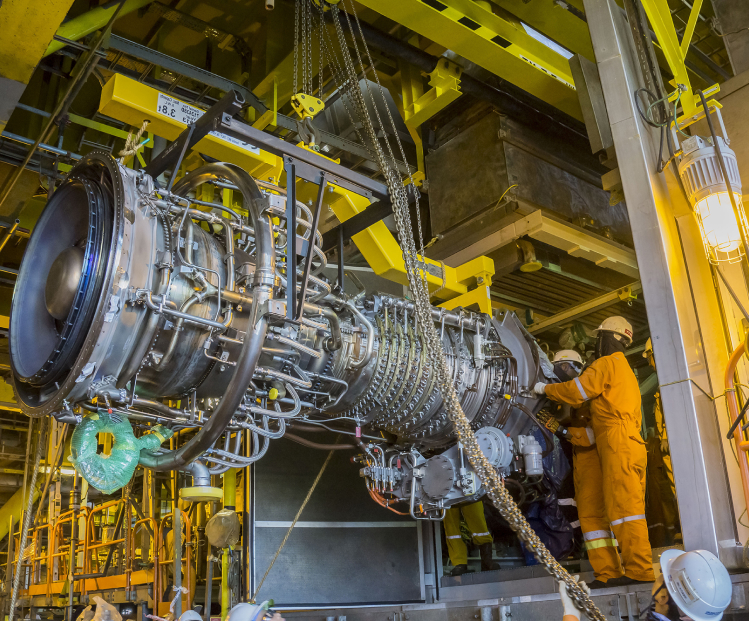
In the rapidly evolving American automotive industry, safety and performance are paramount, especially when it comes to engine testing. As vehicles become more complex and emission regulations tighten, automotive facilities are seeking innovative ways to test engines efficiently while prioritizing operator safety. Professionals looking to optimize their testing environments often search for solutions related to Engine Test Cell Design, a critical area that blends advanced engineering with rigorous safety protocols to achieve robust, reliable results.
A well-designed engine test cell serves as the backbone of any automotive research and development facility. These specialized rooms are engineered to contain and control the powerful forces generated during engine operation. By isolating the engine from the rest of the facility, test cells help minimize the risk of accidents, manage hazardous emissions, and protect valuable equipment and personnel.
Key considerations in designing these spaces include acoustic treatment to reduce noise pollution, reinforced structures to withstand explosive failures, and sophisticated ventilation systems to remove exhaust gases and maintain air quality. The result is a highly controlled environment where engines can be pushed to their limits without compromising safety or compliance.
To unlock safer performance in American automotive facilities, several design strategies should be considered:
American automotive facilities must adhere to a range of national and local safety regulations, including OSHA standards and environmental guidelines. Incorporating flexible design elements allows test cells to adapt to evolving regulations and emerging technologies, such as electrified powertrains and alternative fuels. Modular construction and scalable infrastructure ensure that facilities can accommodate future testing needs without extensive overhauls.
By integrating these strategies, automotive facilities can create safer, more efficient engine test environments. Purposeful planning, advanced safety protocols, and forward-thinking design not only protect personnel and assets but also enhance the reliability and accuracy of testing outcomes. As the industry continues to innovate, investing in optimized engine test cell design remains essential for maintaining a competitive edge and meeting the demands of modern vehicle development.
Keep reading
Severe storms can strike with little warning, leaving Camden County homeowners facing significant property damage and uncertainty. Navigating...
Read article →
Strange noises coming from an air conditioning system often indicate internal issues such as loose components, airflow restrictions,...
Read article →
Finding comfort in your home goes beyond beautiful décor or a welcoming atmosphere—it’s about knowing that your investment...
Read article →