Experience expressive beauty through vivid hair color Austin locals trust for lasting vibrancy.
For those seeking to transform their look and express their individuality, the world of hair color offers endless...
Read article →Home / Hair Salon / Article
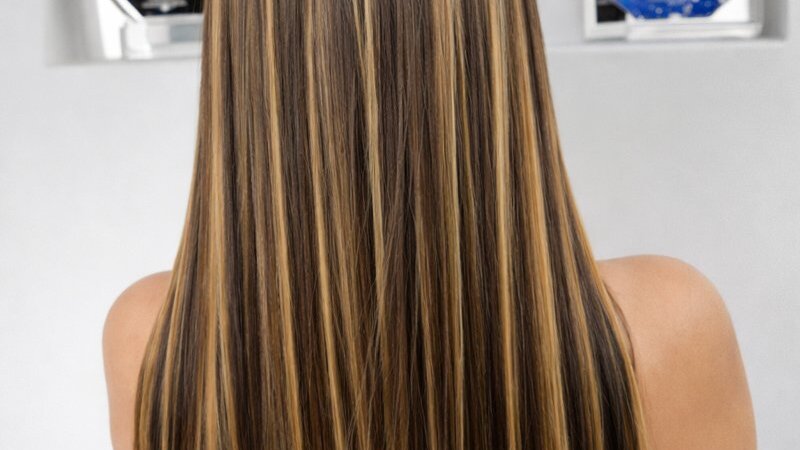
The same hair color formula can produce different results because every person’s hair has unique natural pigments, porosity, texture, and chemical history. Even when identical products are applied, differences in the starting color and hair condition can influence how the finished shade develops, appears, and lasts.
Professional hair color involves more than selecting a shade from a chart. Understanding these variables helps clients in Scottsdale, AZ, recognize why personalized consultations and individualized formulations matter.
Natural hair color comes primarily from melanin, the pigment within the hair fiber. Eumelanin contributes brown and black tones, while pheomelanin contributes yellow and reddish tones.
The concentration and distribution of these pigments vary between individuals.
When hair color is applied, existing pigments interact with the chosen formulation. A cool brown formula might produce a balanced shade on naturally dark blonde hair but appear warmer on medium brown hair.
The starting color therefore plays an important role in determining the outcome.
Lightening reveals underlying warmth as natural pigments are altered. Depending on the starting color, these tones may appear red, orange, gold, or yellow.
For example, two clients requesting ash-brown hair may require different formulations.
Someone with prominent orange undertones may need a different color balance than someone with predominantly yellow undertones.
Applying identical formulas without accounting for these differences can create noticeably different results.
Professional colorists evaluate the existing pigment foundation before recommending an appropriate shade.
Hair porosity describes how readily strands absorb and release moisture and other substances.
The hair’s outer cuticle influences how coloring products interact with its internal structure.
Chemical lightening, repeated processing, and physical wear can alter these characteristics.
Highly porous hair may respond differently to coloring products than relatively intact strands.
Yes. Previously lightened or damaged sections may take up certain colorants differently from untreated areas.
Someone with heavily highlighted ends and natural roots may experience uneven results when one formula is applied throughout.
Depending on the product and existing condition, some sections may appear darker, cooler, or less balanced than expected.
Porosity also influences how some deposited pigments behave between appointments.
However, highly porous hair does not necessarily absorb every colorant faster. Results depend on the formulation and condition of the hair fibers.
Hair near the scalp may have experienced less chemical processing and environmental exposure than the ends.
Older sections might have undergone repeated coloring, heat styling, or lightening.
Consequently, different areas can respond differently to identical products.
Hair coloring specialists consider these variations when planning formulation and application.
Previous chemical treatments can significantly influence new color results.
Hair that looks naturally brown may contain artificial pigment from earlier appointments. Blonde hair may have been repeatedly highlighted, while darker sections could retain previous dye.
These differences affect how new coloring products interact with existing strands.
Artificial pigments remaining within the hair can influence subsequent applications.
For example, applying lighter permanent color over previously darkened hair does not necessarily remove the existing artificial pigment.
A separate lightening or color correction approach may be necessary.
Without understanding previous treatments, unexpected warmth or uneven color development may occur.
Bleaching changes natural pigments and can affect hair structure.
Someone transitioning from pale blonde to brunette may need underlying warmth restored before achieving the intended shade.
Without an appropriate pigment foundation, certain brunette formulas can produce dull, muddy, or greenish results.
A professional assessment helps determine whether pigment replacement or another technique is appropriate.
Chemical straightening, perming, and other treatments may influence the hair’s condition.
Combining chemical services requires careful consideration because previously processed strands may respond differently from untreated hair.
The colorist must evaluate whether additional processing is appropriate before recommending a treatment.
Hair texture affects how color appears through differences in movement, shape, volume, and light reflection.
Straight, wavy, and curly hairstyles may display identical shades differently.
Although texture alone does not determine chemical color development, it influences the finished appearance.
Straight hair often creates a relatively continuous reflective surface.
This may make differences between roots, midlengths, and ends more noticeable.
Uneven color placement can become particularly visible when strands fall in the same direction.
Curly hairstyles create alternating areas of light and shadow as strands bend and overlap.
Highlights and lowlights may therefore appear more dimensional.
A color that looks uniform on straight hair might display greater visual contrast through defined curls.
Professional planning considers these characteristics alongside porosity and previous processing.
Color longevity depends on more than the original formulation.
Hair condition, pigment chemistry, previous treatments, washing frequency, environmental exposure, and maintenance habits can influence how shades change.
Two clients receiving similar initial results may notice different fading patterns.
Previously processed hair may retain certain pigments differently from relatively intact strands.
For example, heavily lightened ends might lose particular tones faster than untreated roots.
This variation does not automatically indicate an incorrect original formula.
Instead, it may reflect structural differences within the hair.
Some shades require more maintenance than others.
Cool blondes, rich reds, and certain dimensional brunettes may change noticeably as deposited pigments diminish.
The appropriate hair color treatment depends partly on the client’s desired appearance and maintenance expectations.
Professional formulation involves evaluating the starting color, underlying pigment, hair condition, and desired result.
Two clients requesting the same shade may need different products or application strategies.
For example, someone with untreated medium brown hair may require a different approach from someone with brown hair containing previously bleached highlights.
Likewise, clients seeking gray coverage may have different needs from those refreshing existing color.
Professional expertise involves determining whether a selected coloring system can appropriately achieve the intended result.
A consultation allows the stylist to review previous treatments, assess visible hair characteristics, and discuss realistic expectations.
Clients researching hair color experts should prioritize individualized assessments rather than expecting standard formulas to work identically for everyone.
A professional may determine that different sections require separate approaches.
Sometimes, achieving the desired appearance may involve multiple appointments or revising the original color goal.
These discussions help clients understand their options before additional processing begins.
Consider two clients who want neutral medium brunette hair.
The first has naturally dark blonde hair without previous coloring. The second has pale blonde highlights over an earlier color application.
Although both want the same shade, their starting conditions differ.
The first may require a relatively straightforward coloring approach.
The second might need additional consideration of porosity, missing pigment, and unevenly lightened sections.
Their maintenance requirements could also differ.
Another example involves two clients requesting cool blonde highlights.
Someone with untreated light brown hair may respond differently to lightening than someone with artificial dark pigment remaining from previous appointments.
Individualized assessment helps determine which approaches are achievable and appropriate.
Reference photographs communicate a desired appearance but cannot reveal the chemical history behind the photographed result.
Lighting, styling, natural texture, and previous coloring can influence how a shade looks.
During consultation, clients can discuss their preferred depth, warmth, brightness, and maintenance expectations.
A colorist evaluates those preferences alongside the current condition of the hair.
Sometimes, a similar-looking result requires different techniques or additional appointments.
Realistic planning balances the desired appearance with hair integrity.
Identical coloring formulas cannot guarantee identical results because natural pigment, porosity, texture, and previous treatments vary.
Professional coloring requires understanding how these factors interact with the selected products.
For Scottsdale residents considering a color change, individualized consultation provides an opportunity to establish realistic expectations and explore appropriate options.
Rather than relying on one universal formula, professional assessment helps identify an approach suited to the client’s existing hair and desired result.
Bravo Salon is located at 10614 N 71st Place in Scottsdale, Arizona. Their salon offers professional hair coloring, balayage, color correction, and related hair services, with an emphasis on individualized consultations and hair condition. To inquire about an appointment, call (480) 951-8076 or find their location on Google Maps.
Keep reading
For those seeking to transform their look and express their individuality, the world of hair color offers endless...
Read article →
Curly hair is as unique as the person who wears it, requiring specialized care and skill to truly...
Read article →
When it comes to hair extensions, one of the most crucial steps in achieving a flawless, natural look...
Read article →