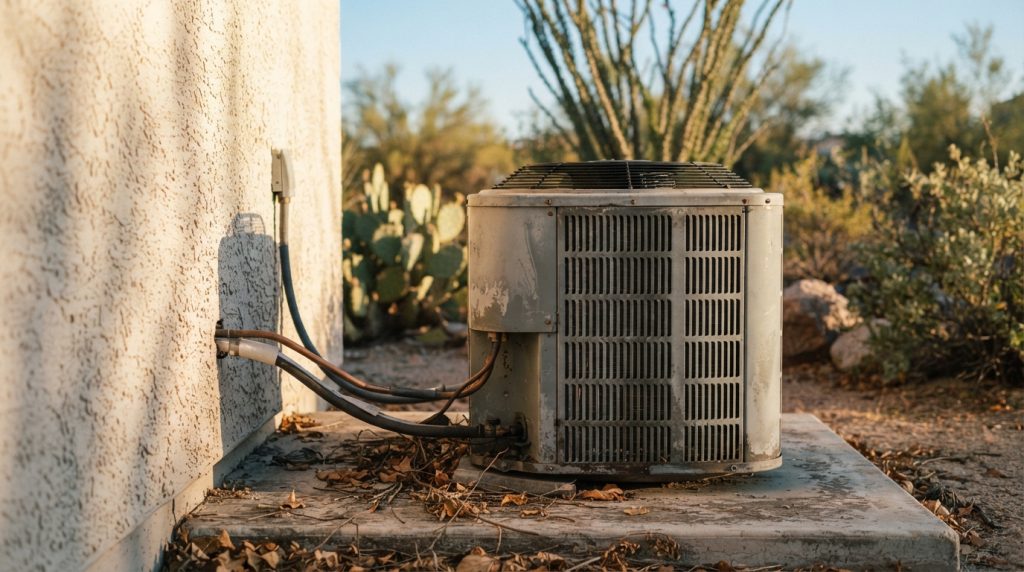
Signs Your Cooling System Needs Help From an AC Repair Company
Key point: • Warning signs include weak airflow, odd noises, warm air, high humidity indoors, and rising utility...
Read article →Home / HVAC Contractors / Article
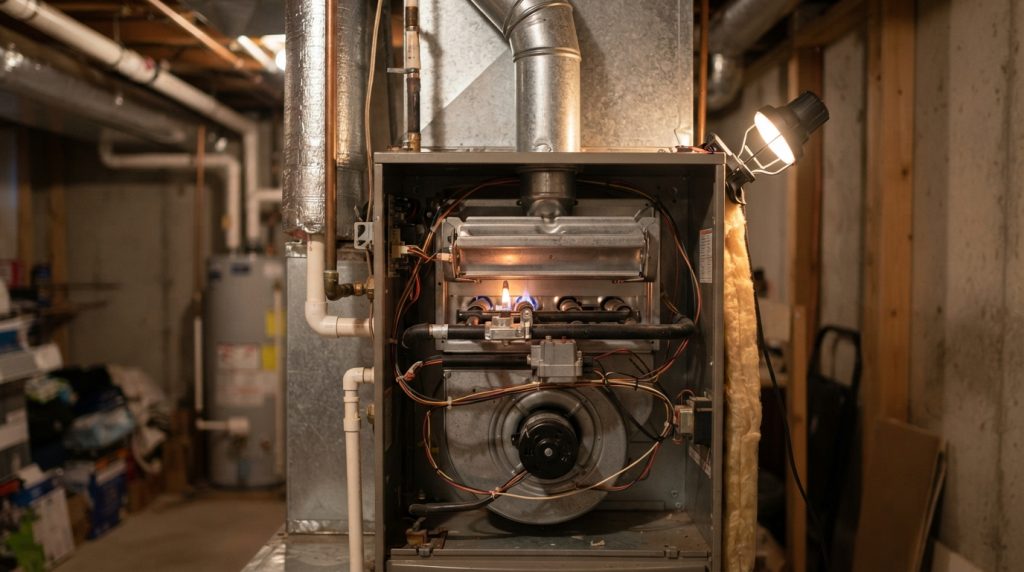
A furnace that cycles on and off rapidly, produces weak airflow, or emits unusual odors is signaling a mechanical or safety issue that warrants professional attention rather than a home remedy. Recognizing these warning signs early can prevent a minor repair from turning into a full system failure during the coldest months of the year.
Homeowners searching for furnace repair are often reacting to a specific symptom: no heat, a strange smell, or a sudden spike in gas usage. Understanding what a technician actually checks during a service call can help set realistic expectations before the appointment, and it can also clarify which problems are urgent versus which can wait for a scheduled tune-up.
Common Signs a Furnace Needs Professional Attention
Not every furnace issue requires an emergency call, but several symptoms should not be ignored:
Dirty filters remain one of the most common and preventable causes of furnace strain. The Department of Energy’s home energy checklist notes that heating can account for close to half of a typical household’s winter energy expense, and recommends professional maintenance each year along with regular filter replacement.
What a Technician Typically Inspects During a Service Visit
A furnace repair appointment usually follows a structured diagnostic sequence rather than guesswork. Technicians generally evaluate the system in this order:
1. Thermostat response – confirming accurate temperature readings and proper cycling.
2. Burners and ignition – checking for steady flame color and clean combustion.
3. Heat exchanger condition – inspecting for cracks that could allow carbon monoxide to escape.
4. Blower motor and airflow – listening for mechanical wear and verifying consistent air distribution.
5. Venting and flue pathways – ensuring exhaust gases are safely directed outside the home.
Each of these steps addresses both performance and safety, since a furnace that heats unevenly or trips breakers repeatedly often points to an underlying component failure rather than a simple fix.
Repair Versus Replacement: Weighing the Options
|
Factor |
Repair Likely Sufficient |
Replacement Worth Considering |
|
Age of furnace |
Under 10 years |
15+ years old |
|
Repair frequency |
First or isolated issue |
Recurring breakdowns each season |
|
Heat exchanger |
Intact, no cracks |
Cracked or corroded |
|
Energy bills |
Stable |
Rising steadily despite maintenance |
A single repair on a furnace under a decade old is usually the more practical route, while a unit with a damaged heat exchanger or a pattern of repeated failures often signals it is nearing the end of its service life.
Local Considerations for Aurora Homeowners
Furnaces in Aurora, CO work through a cold-weather season that places sustained demand on heating equipment. Homes in this climate benefit from scheduling inspection before the first hard freeze rather than waiting for a no-heat emergency, since parts availability and technician scheduling can tighten once temperatures drop. Checking that a contractor holds an active Colorado mechanical license is also a reasonable step before any work begins on a home heating system.
Primary Air Home Services, which has been active in the Aurora, CO area, lists furnace repair and heating installation services on its business profile, including NATE-certified technician work on residential heating systems.
Frequently Asked Questions
How quickly should a furnace issue be addressed? Symptoms like gas odor or no heat during freezing weather warrant same-day attention, while minor noise or inconsistent heating can typically wait for a scheduled appointment.
Can a dirty filter alone cause a furnace to stop working? A severely clogged filter can restrict airflow enough to trigger safety shutoffs, though a full system failure often points to an additional mechanical issue.
Is an annual furnace inspection really necessary? Annual inspection helps catch wear on components like the heat exchanger and ignition system before they lead to a mid-season breakdown.
What should a homeowner do if they smell gas near the furnace? Leave the home immediately, avoid operating switches or flames, and contact the gas utility or a qualified technician from a safe location.
Final Thoughts
A furnace that struggles to maintain consistent heat or produces unusual sounds is communicating a problem that a qualified inspection can clarify. Addressing symptoms early, keeping filters current, and scheduling seasonal checkups are practical steps that reduce the odds of a costly mid-winter failure.
Scheduling details and service area information for Primary Air Home Services are published for homeowners researching local heating options.
Keep reading
Key point: • Warning signs include weak airflow, odd noises, warm air, high humidity indoors, and rising utility...
Read article →
Snapshot: • Sealing air leaks, upgrading insulation, and scheduling regular HVAC maintenance are the fastest ways to cut...
Read article →
Bottom line: Homeowners searching for furnace installation in Oklahoma City OK are usually trying to answer one question:...
Read article →