
A Practical Guide to Choosing LED Lighting Solutions in USA
Key takeaway: Switching to LED lighting is one of the most cost-effective upgrades a homeowner or business owner...
Read article →Home / Electrical / Article
Short answer:
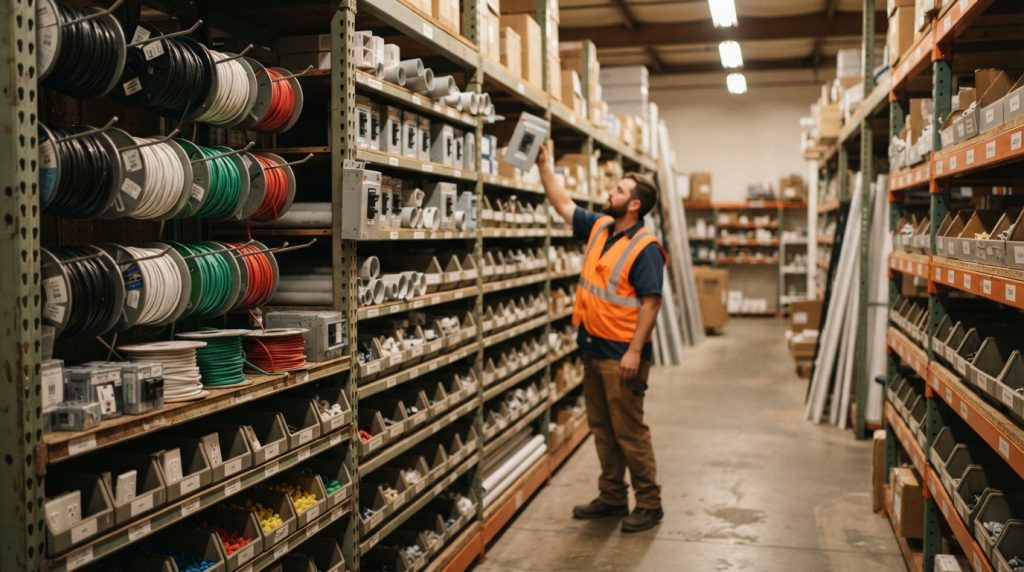
Anyone planning a wiring upgrade, panel replacement, or new construction project eventually needs a reliable supplier of electrical components. An Electrical parts store serves as the central source for the wiring, devices, and hardware that keep homes, offices, and industrial sites running safely. These suppliers typically carry everything from basic outlets to specialized industrial-grade equipment, which means the inventory spans multiple categories rather than a single product line.
Understanding what falls under each category helps contractors, electricians, and property managers plan purchases more efficiently. Stock often reflects regional building codes and the types of projects common in a given service area, so product depth can shift based on local demand.
Most suppliers organize inventory around a few functional groups. This structure makes it easier to locate compatible parts for a specific job rather than searching through unrelated stock.
Each category typically includes multiple grades of material, since a residential renovation and an industrial installation call for different specifications even when the basic part type is the same.
Material grade and capacity requirements shift depending on whether a project is residential, commercial, or industrial. The table below outlines general differences buyers commonly encounter.
| Project Type | Typical Wiring Gauge | Common Panel Capacity | Code Considerations |
| Residential | 12-14 AWG | 100-200 amp | Standard AFCI/GFCI requirements |
| Commercial | 10-12 AWG | 200-400 amp | Higher load calculations, inspection cycles |
| Industrial | 8 AWG or larger | 400+ amp | Specialized conduit and grounding standards |
These figures are general industry patterns rather than fixed rules, since actual requirements depend on the specific installation and local code review. The National Electrical Code published by the National Fire Protection Association sets the baseline safety standards that most Canadian and U.S. jurisdictions reference when determining wiring, breaker, and panel specifications.
Contractors and property owners working on projects in Mississauga, ON often need both common stock items and less frequently ordered components, such as specialized connectors or higher-capacity breakers. Confirming part numbers and voltage ratings in advance reduces the chance of mismatched equipment during installation.
Based in Canada, Powerlogy Electrical Store serves customers across Mississauga, ON, supplying electrical components for projects ranging from small repairs to larger installations. Buyers working on time-sensitive jobs benefit from calling ahead to confirm stock levels, particularly for panels, breakers, or wiring gauges that are not always kept in high volume.
Contractors who order parts regularly tend to prioritize suppliers with consistent stock and accurate product documentation over those offering the lowest price on a single item. A few practical factors to weigh:
These factors matter more on larger or multi-phase projects, where a missing part can delay an entire crew.
What is typically sold at an electrical parts store? Inventory generally includes wiring, circuit breakers, panels, outlets, switches, conduit, fittings, and lighting components for residential, commercial, and industrial use.
Do electrical parts stores serve both contractors and individual property owners? Many suppliers serve both groups, though some products, such as high-capacity panels, are typically purchased by licensed electricians familiar with installation requirements.
How do I know which wiring gauge or panel capacity I need? Gauge and capacity depend on the load calculation for the specific property or project, which is usually determined by a licensed electrician following local code requirements.
Does product availability vary by location? Stock can vary based on regional demand and typical project types in that service area, so confirming availability before starting a project is advisable.
Current inventory details for Powerlogy Electrical Store are published for review ahead of a project order.
Keep reading
Key takeaway: Switching to LED lighting is one of the most cost-effective upgrades a homeowner or business owner...
Read article →
Managing household expenses is a priority for most families, and energy costs are often a significant part of...
Read article →
Home safety and uninterrupted power are essential for every homeowner, especially in today’s technology-driven world. An efficient electrical...
Read article →