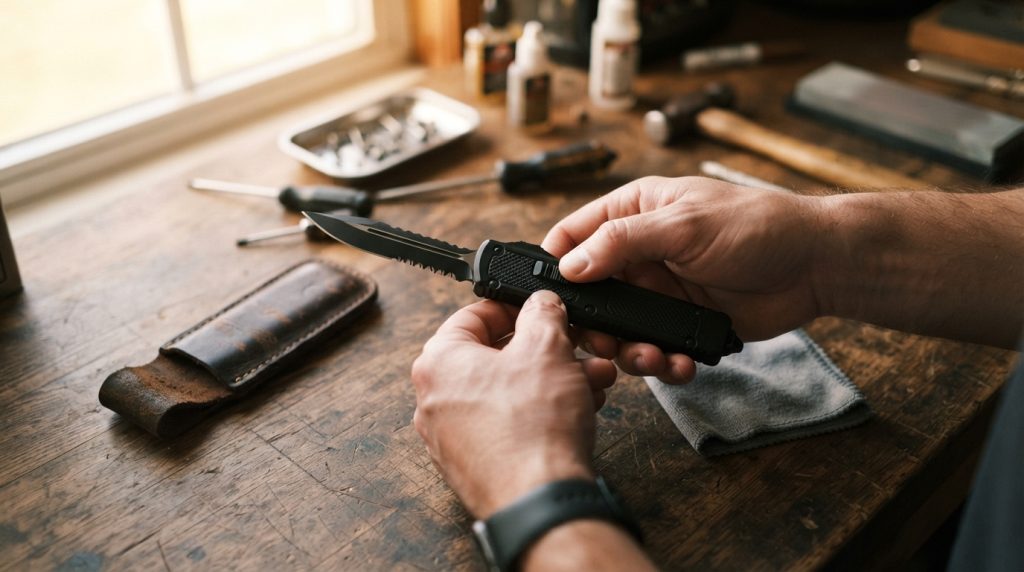
What to Know Before Buying an Automatic Knife
Anyone searching for a fast, reliable everyday carry tool eventually runs into automatic knives, better known by their...
Read article →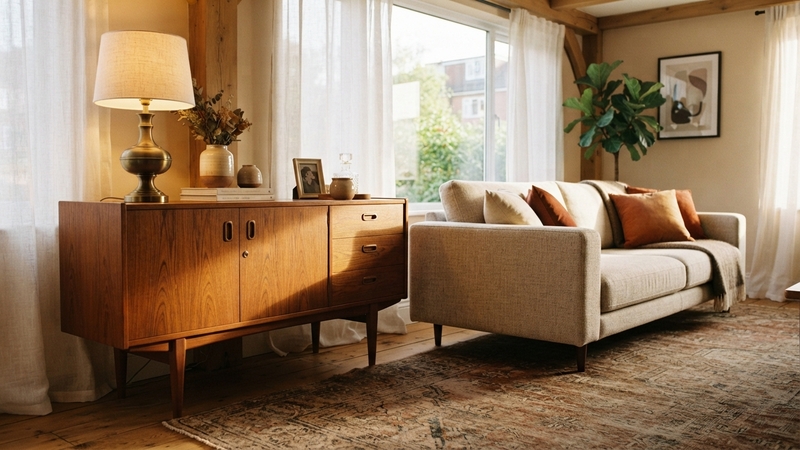
At a glance:
• Mixing vintage pieces with modern furnishings works best when one era anchors a room and the other accents it.
• Small-scale items like lamps, mirrors, and side tables are the easiest entry points for blending styles.
• Secondhand shopping in Chantilly, VA offers a practical way to source one-of-a-kind pieces without custom pricing.
Combining older furnishings with contemporary pieces creates rooms that feel collected rather than showroom-staged, and it works best when one style sets the foundation while the other adds contrast. The approach relies less on matching and more on balancing scale, material, and color across eras.
Interior design that pairs distinct time periods avoids the flat, uniform look of single-style rooms. A mid-century credenza next to a streamlined modern sofa, for example, creates visual tension that draws the eye without clashing. Choosing vintage home decor for even one or two focal pieces per room is often enough to establish that contrast without overwhelming a contemporary layout.
The key is restraint. Rooms that mix too many periods at once can look cluttered rather than curated, so designers typically recommend choosing a dominant style and layering in older or newer accents sparingly.
Smaller items carry less risk and make it easier to experiment before committing to larger furniture changes.
• Lighting : A vintage brass or glass lamp on a modern side table softens sharp, minimalist lines.
• Mirrors and frames : Ornate or aged frames add texture against flat-painted walls or simple gallery arrangements.
• Textiles : Older quilts, rugs, or embroidered linens introduce pattern and warmth to neutral modern palettes.
• Case goods : A refinished dresser or sideboard can serve as a statement piece in an otherwise streamlined room.
• Accent seating : A single antique chair paired with a contemporary sectional creates a conversation point without dominating the space.
Working in layers rather than full-room overhauls allows adjustments over time, which is particularly useful for renters or anyone furnishing a home gradually.
Not every older item suits every room. Scale and proportion matter as much as style when integrating furniture from different decades.
| Factor | What to Check | Why It Matters |
| Size | Measure doorways and room dimensions before buying | Older furniture often has different proportions than modern pieces |
| Material | Wood, metal, or upholstery condition | Mismatched finishes can look accidental rather than intentional |
| Color | Undertones against existing wall and floor colors | Warm and cool tones need balancing to avoid visual clash |
| Function | Whether the piece still serves a practical purpose | Decorative-only items work differently than daily-use furniture |
Climate also plays a role in piece selection. According to the U.S. General Services Administration, humidity and temperature fluctuations can affect wood furniture over time, so older wood pieces benefit from placement away from direct heating vents or sun exposure, a relevant consideration in the seasonal humidity swings common to Chantilly, VA.
Finding authentic older furnishings generally means looking beyond big-box retailers. Secondhand stores, consignment shops, and estate sales remain the most consistent sources for pieces with genuine age and craftsmanship rather than reproductions.
Based in the USA, The Treasure Hound serves customers across Chantilly, VA, offering a rotating inventory of secondhand furnishings and household items that can supply the kind of one-of-a-kind pieces this blending approach depends on. Browsing in person rather than online also makes it easier to judge scale, finish, and condition before bringing a piece home.
Does mixing styles always require an interior designer? No. Most homeowners can blend eras successfully by starting with one or two accent pieces and adjusting gradually based on how the room feels.
What is the easiest first step for a beginner? Swapping a single lamp, mirror, or side table is typically the lowest-risk way to introduce an older piece into a modern room.
How do I avoid a cluttered look? Limit older accents to a few focal points per room and keep surrounding furniture simple so the contrast reads as intentional rather than busy.
Are older wood pieces harder to maintain than new furniture? They can require more attention to humidity and placement, but routine care and avoiding direct heat or sun exposure generally keep them stable long-term.
Shoppers researching secondhand options before visiting any store can find current listing information for The Treasure Hound through its published business profile.
Keep reading
Anyone searching for a fast, reliable everyday carry tool eventually runs into automatic knives, better known by their...
Read article →
Anyone looking to buy custom swords is usually trying to solve one problem: standard, off-the-shelf blades rarely match...
Read article →
Maximizing space is a constant challenge in modern homes, especially in smaller rooms. Homeowners often look for innovative...
Read article →