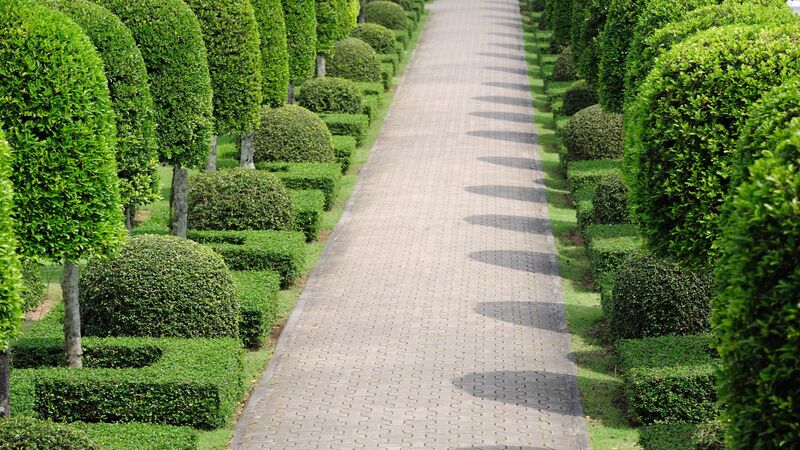
Planning the Perfect Outdoor Living Space with Custom Pavers
Outdoor living spaces have become one of the most desirable features for modern homes. Whether it’s a comfortable...
Read article →Home / Contractor / Article
Key takeaway:
Homeowners searching for porcelain pavers in Naples, FL, are typically weighing a modern, low-maintenance surface against the upkeep demands of natural stone or concrete. Porcelain has become a practical answer for coastal properties where salt air, pool chemicals, and intense sun accelerate wear on traditional materials.
Naples sits in a climate zone where humidity, UV exposure, and seasonal heavy rain all test outdoor flooring differently than a typical paver installation elsewhere in Florida. Porcelain’s density gives it an advantage in exactly these conditions, which is why it has moved from a niche specification to a common choice in newer builds and renovations across Southwest Florida.
Porcelain pavers are manufactured at high firing temperatures, producing a dense, low-porosity surface that resists moisture absorption far better than natural stone or standard concrete.
This combination is part of why porcelain has shifted from a specialty product to a standard spec for modern outdoor living areas in the region.
Safety around pool decks and walkways depends heavily on a paver’s surface traction when wet. Outdoor-rated porcelain pavers are typically manufactured with textured finishes designed for higher slip resistance than polished interior tile.
Slip resistance for hard flooring materials, including porcelain, is commonly evaluated using dynamic coefficient of friction (DCOF) testing methods established under ANSI standards, though industry guidance notes that meeting a minimum DCOF value does not by itself guarantee a floor is safe in every condition. This is why material selection should always be paired with correct installation, particularly around pool coping and transition areas where water pooling is more likely.
Key factors that affect real-world slip performance include:
| Material | Maintenance | Sealing Required | Salt/Chlorine Resistance |
| Porcelain | Very low | No | High |
| Travertine | Moderate | Yes, periodic | Moderate |
| Concrete | Moderate to high | Yes, periodic | Lower |
| Natural Stone | Varies by stone type | Often yes | Varies |
Travertine remains popular in Naples for its cooler underfoot feel and classic look, but porcelain is increasingly chosen by homeowners prioritizing a modern aesthetic with minimal long-term upkeep.
Porcelain’s density is an asset once installed correctly, but that same hardness means base preparation and joint work have to be precise.
A crew experienced with porcelain specifically, rather than general masonry work, tends to produce more consistent results because the cutting and setting tolerances are tighter than with softer materials.
Is porcelain a good choice for a Naples pool deck? Yes. Its non-porous surface resists chlorine and salt exposure, and outdoor-rated finishes are designed to provide traction around wet pool areas.
Does porcelain need to be sealed like travertine? No. Porcelain’s density eliminates the need for sealing, which reduces long-term maintenance compared to natural stone options.
Will porcelain fade in Florida sun? Color is fired through the material rather than surface-applied, which helps it resist fading and chalking over years of UV exposure.
How does porcelain compare to concrete pavers for driveways? Porcelain generally requires less ongoing maintenance and resists staining better, though concrete remains a lower upfront cost option in many cases.
Choosing the right paver material ultimately comes down to how a homeowner balances appearance, maintenance tolerance, and the specific demands of a Naples property’s sun and moisture exposure. Working with an experienced local installer such as South West Pavers, LLC can help homeowners compare porcelain against other materials and plan an installation built to hold up in Southwest Florida’s climate.
Keep reading
Outdoor living spaces have become one of the most desirable features for modern homes. Whether it’s a comfortable...
Read article →
Commercial construction projects often involve multiple stakeholders, including business owners, designers, engineers, and subcontractors. Without a clear decision-making...
Read article →
Upgrading your home is one of the most rewarding investments you can make. Choosing the right professional is...
Read article →