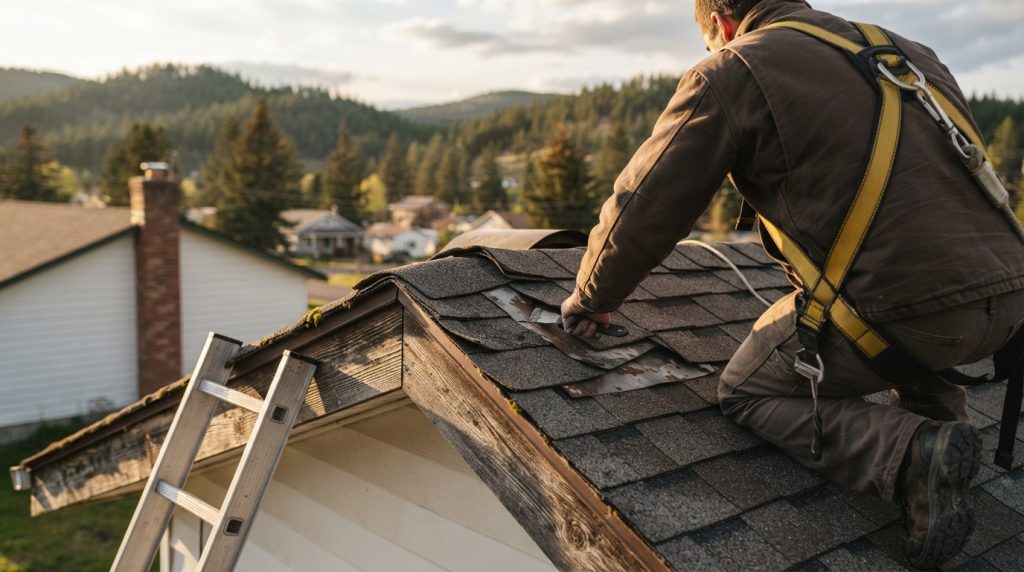
Roof Repair Warning Signs Every Homeowner Should Know
Key takeaway: A roof rarely fails without warning. Small, easy-to-miss clues, such as a damp ceiling patch or...
Read article →Home / Roofing Contractor / Article
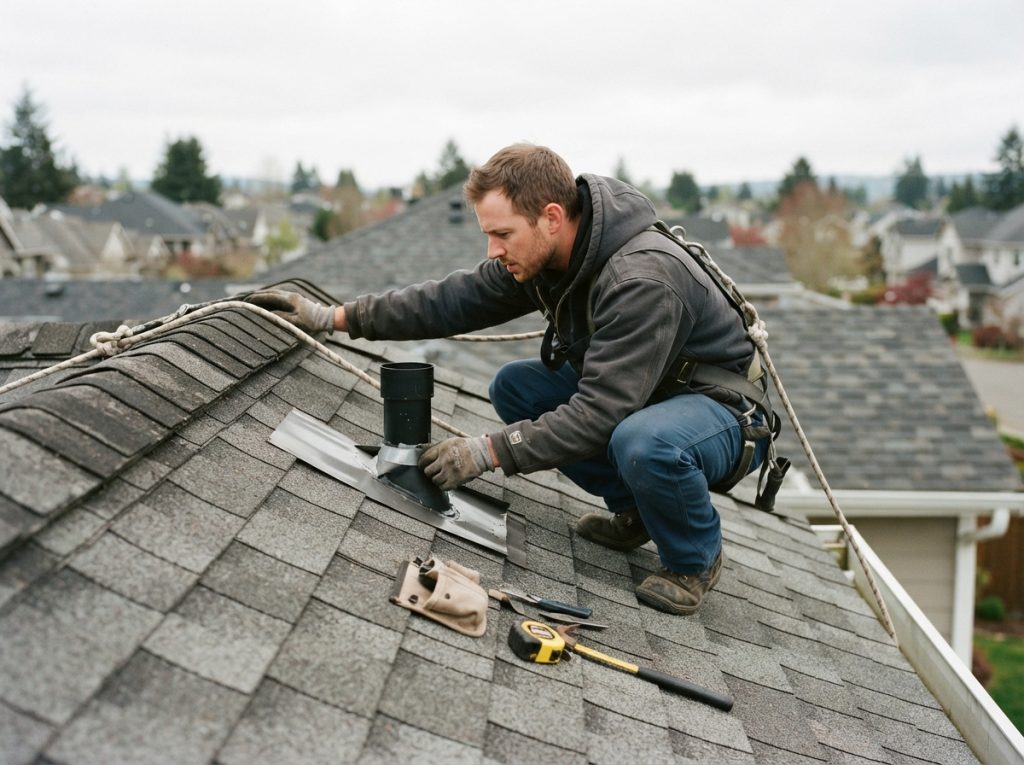
Short answer:
• Visible leaks, missing shingles, sagging areas, or granule loss in gutters signal roof damage that warrants a professional evaluation.
• A licensed roofer can distinguish cosmetic wear from structural issues that threaten the home’s interior and safety.
• Homeowners in St. Petersburg, FL face added risk from humidity, UV exposure, and storm activity that accelerates roof deterioration.
A roof rarely fails without warning. Small clues, such as a stained ceiling, curling shingles, or daylight visible through the attic boards, often appear months before a full leak develops. Recognizing these signs early and contacting a Residential Roofing Contractor before damage spreads can prevent costlier repairs down the line.
Roofs in this part of Florida face a harder workload than in most states. Intense sun, high humidity, and seasonal storms combine to shorten the lifespan of shingles, flashing, and underlayment faster than manufacturer estimates suggest. Homeowners who wait until a leak is actively dripping often face higher repair costs than those who act on early warning signs.
Several visual and structural indicators suggest a roof needs professional attention rather than a DIY patch job.
• Missing, cracked, or curling shingles, especially after high winds
• Granules collecting in gutters or at downspout outlets
• Dark streaks, moss, or algae patches across the roof surface
• Sagging rooflines or soft spots felt underfoot in the attic
• Daylight visible through roof boards from inside the attic
• Water stains on ceilings or walls near the roofline
Any one of these signs on its own may not mean immediate failure, but a combination of two or more usually points to a problem that needs a trained eye. Homeowners in St. Petersburg, FL should treat storm aftermath as a trigger for inspection, since wind-driven rain can enter through flashing points that are not visible from the ground. According to FEMA guidance on home inspections, roof and ceiling damage from disasters is evaluated by checking leaks that threaten structural and electrical components, which underscores why prompt professional review matters after severe weather.
Climbing onto a roof without training introduces both safety risk and the chance of missing damage that is not visible from a ladder or binoculars.
1. Limited visibility – Many issues, such as cracked flashing or deteriorated underlayment, are hidden beneath shingles or tiles.
2. Safety hazards – Sloped or wet roofs present fall risks that outweigh the benefit of a casual visual check.
3. Misjudged severity – Homeowners often underestimate how far water has traveled once it enters through a small gap.
4. Warranty concerns – Unauthorized repairs can void manufacturer warranties tied to professional installation standards.
A professional assessment typically includes a walk of the roof surface, an attic check for moisture or daylight intrusion, and a review of flashing around chimneys, vents, and skylights.
The table below outlines how different warning signs typically translate into scope of work, though every roof situation varies based on age, material, and storm history.
| Warning Sign | Likely Cause | Typical Response |
| Granule loss in gutters | Shingle aging or storm impact | Inspection, possible partial repair |
| Ceiling water stains | Active or past leak | Leak tracing and targeted repair |
| Sagging roofline | Structural deck or truss issue | Full inspection, possible replacement |
| Missing shingles after storm | Wind damage | Repair or storm damage restoration |
Timing matters as much as recognizing the signs themselves. A roof inspection scheduled before the rainy season can catch issues while repairs are still minor and affordable.
• After any named storm or sustained high winds
• Once a roof passes the 15 to 20 year mark, depending on material
• Following the discovery of any ceiling stain or attic moisture
• Before listing a home for sale or finalizing a homeowners insurance renewal
Homeowners who schedule routine inspections tend to catch flashing failures and soffit deterioration before they progress into interior damage.
How often should a residential roof be inspected in St. Petersburg, FL? Most roofing professionals recommend an inspection at least once a year, with an additional check after any major storm event given the area’s exposure to wind and heavy rain.
Can a small leak really require a full roof replacement? Not always. A contained leak traced to a single flashing point or vent boot often only needs a targeted repair, while widespread moisture intrusion across multiple roof sections may point to a larger underlying issue.
What roofing materials hold up best in Florida’s climate? Asphalt shingles, metal panels, and tile systems are all used locally, each with different lifespans and resistance to wind uplift and UV exposure; the right choice depends on the home’s structure and budget.
Is it necessary to go on the roof to check for damage? No. Most visible signs, such as missing shingles or sagging sections, can be spotted from the ground or through an attic check, and climbing onto the roof is best left to a trained professional with proper safety equipment.
Based in Oldsmar, FL, Acoma Roofing serves customers across St. Petersburg, FL.
Read More for homeowners evaluating roof condition before storm season.
Keep reading
Key takeaway: A roof rarely fails without warning. Small, easy-to-miss clues, such as a damp ceiling patch or...
Read article →
Buying roofing supplies involves matching material type (shingle, metal, underlayment) to local climate exposure, confirming permit rules, and...
Read article →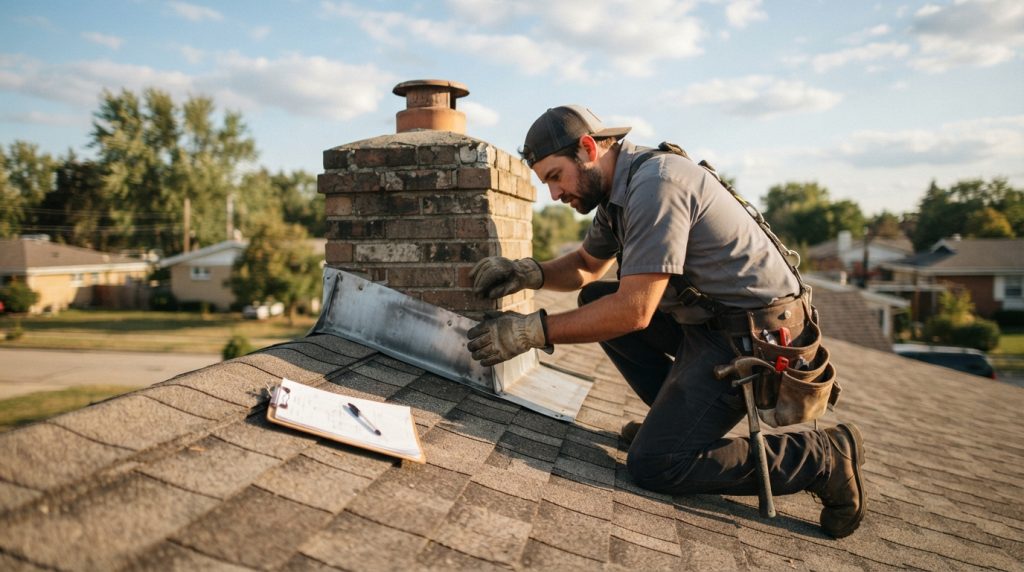
Simply put: A roofing service should be evaluated on licensing, documented inspection practices, and a clear written estimate...
Read article →