Understanding the Benefits of Professional Home Care for Seniors
• Professional senior home care services provide personal care, companionship, and safety support so older adults can remain...
Read article →Home / Home Health Care Service / Article
For many older adults, home is more than a familiar place—it is a source of comfort, independence, and connection. When daily tasks become harder, around-the-clock support may help make staying at home a practical option. Families researching a Live-in caregiver in Minnetonka, MN can learn how personalized assistance may support a senior’s routines while offering relatives greater peace of mind.
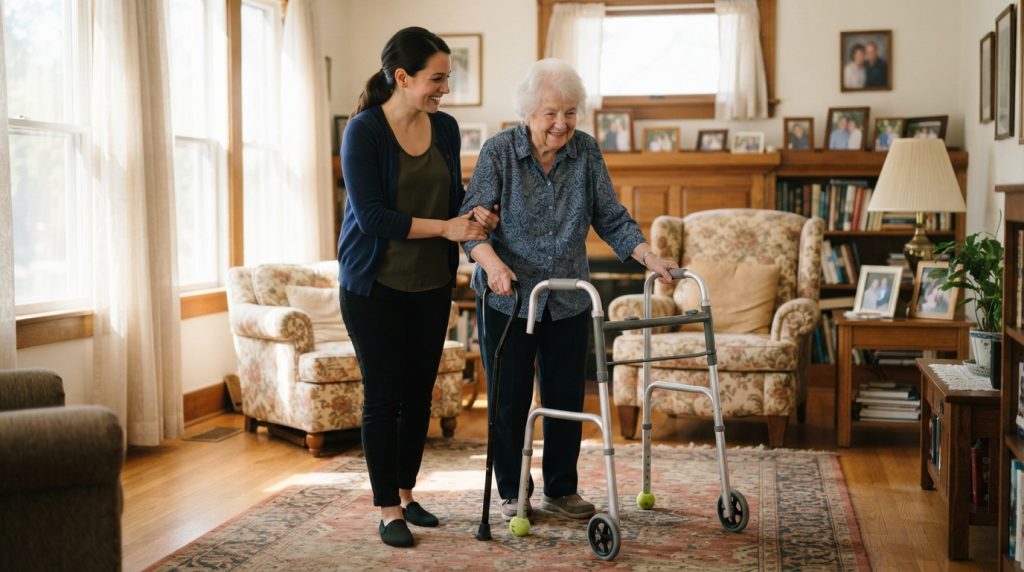
A live-in caregiver can assist with activities that may become challenging with age, including bathing, dressing, grooming, and moving safely around the home. Help can also extend to preparing meals, light housekeeping, laundry, and errands. With these responsibilities handled, seniors can conserve energy for meaningful activities, such as visiting with family, enjoying hobbies, or spending time outdoors.
Support should be shaped around the person, not imposed as a rigid schedule. A caregiver may help a senior get ready in the morning, prepare a preferred lunch, or follow an established evening routine. Families can discuss preferences, abilities, and areas where assistance is needed so care feels respectful and consistent.
Changes in balance, strength, or memory can make familiar tasks less safe. A caregiver’s presence can provide practical support as a senior walks through the home, uses the bathroom, or prepares food. Caregivers may also notice changes in appetite, mood, mobility, or daily habits and share observations with family members.
Families can make the home safer alongside arranging care. Useful steps include improving lighting, clearing walkways, securing loose rugs, and placing frequently used items within easy reach. A professional assessment can help identify additional adjustments based on the senior’s needs and the layout of the home.
Caregivers do not replace medical professionals. Instead, they can help seniors follow established routines, such as taking medications as directed, and communicate concerns to family or healthcare providers. Clear instructions are important, especially when a senior has multiple prescriptions or changing care needs.
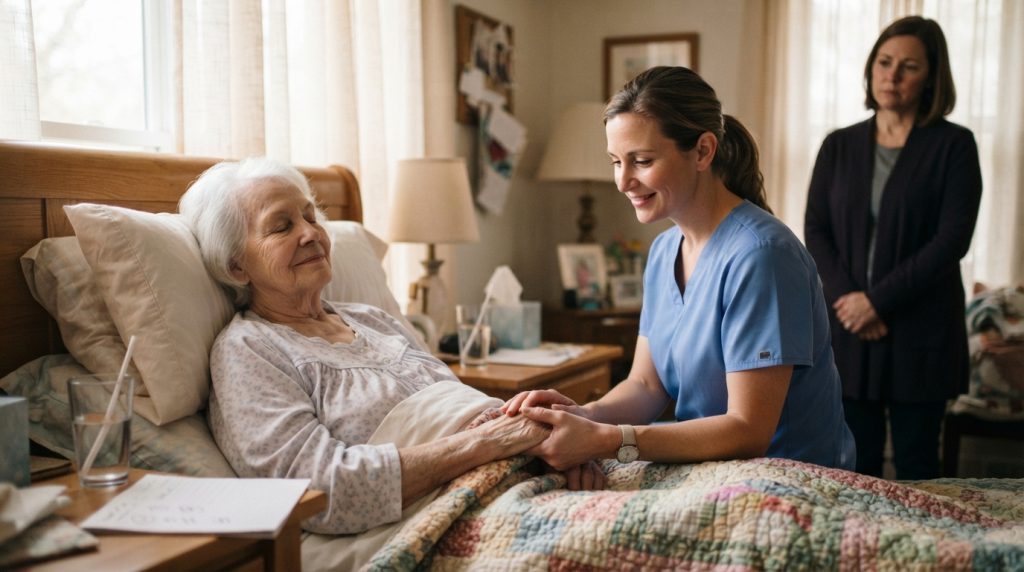
Consistent companionship can be just as important as help with physical tasks. Sharing conversation, meals, games, or a walk can ease loneliness and give structure to the day. Familiar company may also encourage seniors to stay engaged with interests and relationships that matter to them.
For family caregivers, dependable help can reduce the strain of managing every task alone. Relatives may have more time to enjoy visits rather than focusing solely on chores or personal care. They can also coordinate with the caregiver about changing needs and remain involved in decisions.
Before starting care, families should identify the senior’s priorities, daily schedule, mobility needs, and any health concerns. Ask how overnight coverage works, what breaks and rest periods are built into the arrangement, and whether backup care is available. A live-in caregiver needs appropriate private space and time to rest; the arrangement should not be assumed to mean continuous, awake supervision.
It is also helpful to discuss household expectations, communication preferences, emergency plans, and how care will be reviewed over time. Needs can change, so regular conversations help ensure the support remains appropriate.
With thoughtful planning, in-home assistance can help seniors maintain familiar routines, receive practical support, and stay connected to the people and surroundings they value. The right arrangement also gives families a clearer plan for meeting changing needs while preserving comfort and dignity at home.
Keep reading
• Professional senior home care services provide personal care, companionship, and safety support so older adults can remain...
Read article →
Quick summary: Selecting a home health care service means matching a loved one’s daily needs, from mobility help...
Read article →
When facing the challenges of a life-limiting illness, patients and their families seek care that is both clinically...
Read article →