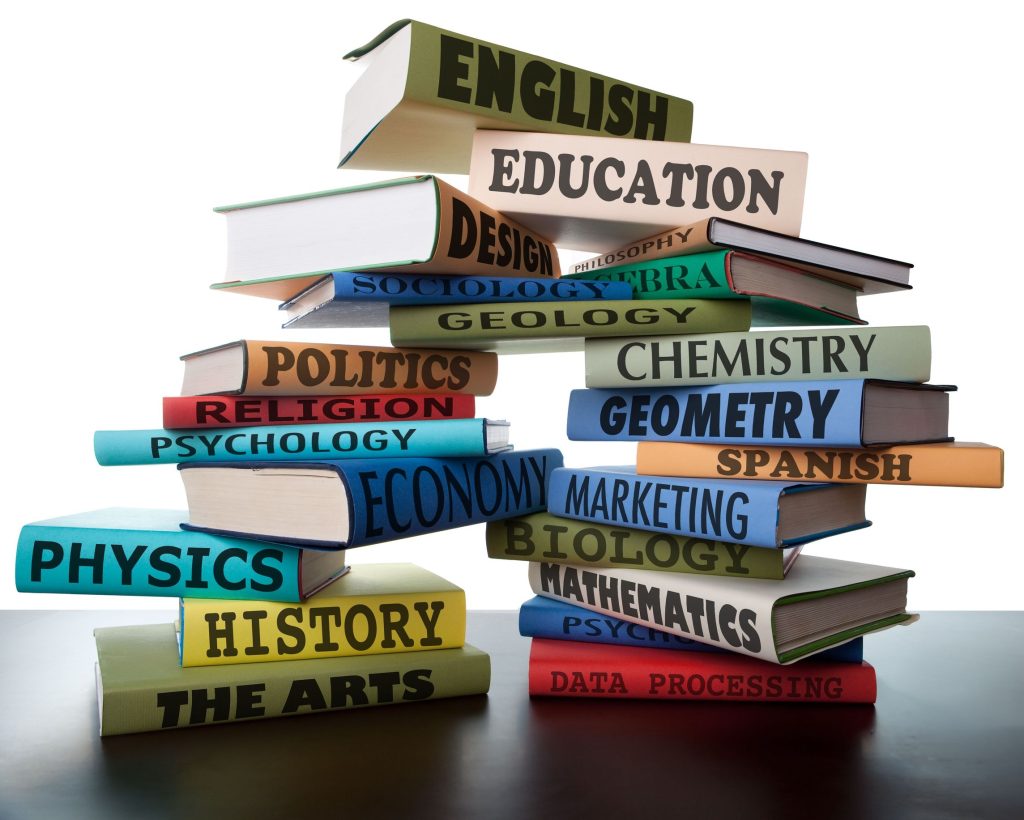
Master Anatomy And Physiology Textbooks: A Path to Academic Success
Reliable educational resources serve as indispensable tools in mastering the complex world of human biology. These comprehensive materials...
Read article →
Bottom line:
Comic books tell stories through a deliberate combination of images, text, and pacing, where each panel acts as a controlled unit of time that guides a reader’s eye and emotional response. This fusion of visual and written narrative is what separates the medium from prose fiction or film, giving creators a unique toolkit for building tension, humor, and character depth on a single page.
Understanding Comic Books as a storytelling form means looking past the surface of superheroes and capes to the mechanics underneath: panel size, gutter space, lettering style, and color choices all carry narrative weight. A single oversized panel can slow a scene down for dramatic effect, while a tight grid of small panels can speed up action or create anxiety. These choices are not accidental; they are craft decisions made by writers, pencillers, inkers, colorists, and letterers working in tandem.
The panel is the basic unit of comic storytelling, functioning similarly to a camera shot in film but with more reader control over pacing. Because readers decide how long to linger on each panel, creators must design layouts that naturally direct attention toward key story beats.
This interplay between what is shown and what is left for the reader to infer is a defining trait of sequential art, according to the Library of Congress comic book collection guide, which documents the medium’s development as a distinct American art form.
Beyond layout, comics rely on a visual vocabulary that communicates mood and meaning without extra dialogue. Color palettes shift to reflect tone, lettering style can indicate volume or emotion, and recurring visual motifs reinforce themes across an issue or series.
These techniques allow comic creators to compress complex emotional information into a small visual space, which is part of why the medium has sustained decades of serialized storytelling across genres far beyond superhero fiction.
For many readers, appreciating comic storytelling extends naturally into collecting single issues, trade paperbacks, and related trading card art that share similar illustrative traditions. Comparing formats can help new collectors decide where to start.
| Format | Typical Content | Best For |
| Single issue | One chapter of an ongoing arc | Following serialized pacing |
| Trade paperback | Collected multi-issue arc | Reading a complete story |
| Graphic novel | Standalone complete story | One-time deep narrative |
| Trading cards | Character art, key scenes | Visual collecting, not full narrative |
Readers in Londonderry, NH exploring these formats often start with trade paperbacks to get a full narrative arc before moving into single-issue collecting or card-based memorabilia tied to favorite storylines.
What makes comic book storytelling different from a novel? Comics rely on the interaction between images and text within panels, requiring readers to interpret visual pacing alongside dialogue, rather than relying on prose description alone.
Do all comic books follow the same panel structure? No. Panel structure varies widely by genre, publisher, and era, with creators often breaking standard grid layouts deliberately to create specific emotional or narrative effects.
Is collecting comics the same as reading them for story? Not necessarily. Some collectors focus on condition and rarity for investment or display purposes, while others prioritize reading complete story arcs, and many do both.
Where can someone in Londonderry, NH learn more about comic art and collecting? Local collectors and hobby shops in the area often carry back issues, graphic novels, and related trading cards that reflect the same visual storytelling traditions discussed above.
Based in Londonderry, NH, Card Czar serves customers across Londonderry, NH.
Current inventory and showroom details for Card Czar are published for the local service area.
Keep reading
Reliable educational resources serve as indispensable tools in mastering the complex world of human biology. These comprehensive materials...
Read article →While most everyone has at least heard of the Holocaust, perhaps not as many have taken the time...
Read article →