
Transform Your Workday with Ergonomic Office Furniture Designed for American Professionals
Long hours at a desk can take a toll on comfort and productivity, especially for American professionals striving...
Read article →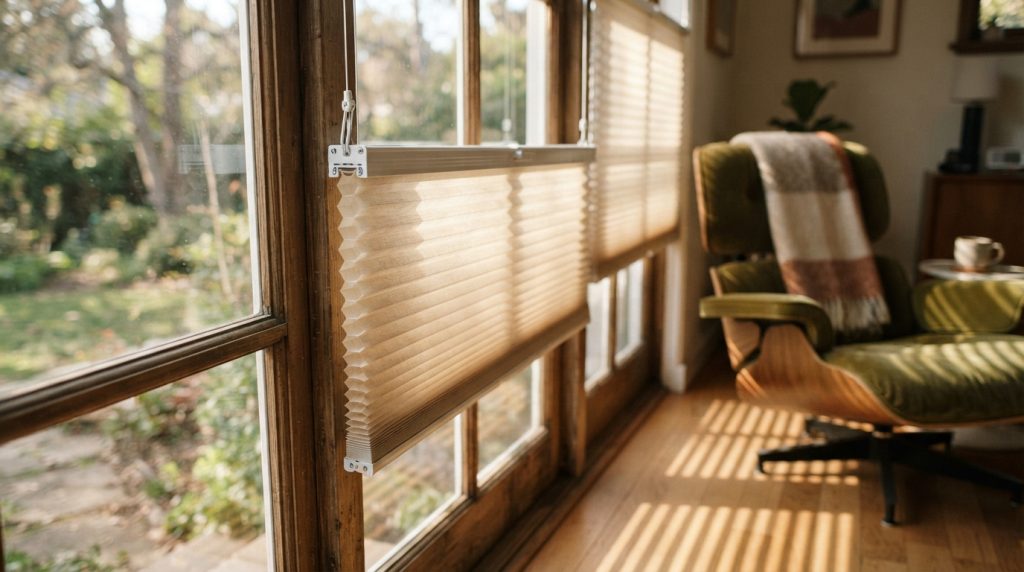
In short:
• Custom window shades are built to exact window measurements, offering tighter light control, insulation, and a cleaner fit than off-the-shelf blinds.
• Styles range from cellular and roller shades to Roman, sheer, and woven options, each suited to different rooms and light needs.
• Professional measuring and installation reduce gaps and misalignment that are common with stock-sized shades.
Custom window shades are shades manufactured to the precise dimensions of a specific window, giving homeowners better light control, insulation, and a more finished appearance than pre-made alternatives. Because they are fitted rather than trimmed or adjusted after purchase, they tend to operate more smoothly and last longer under daily use.
In Brooklyn, NY, many homes feature older window frames, bay windows, and non-standard openings that can make it difficult to find properly fitting off-the-shelf shades. Custom window shades offer a practical solution by being measured and designed to fit each window’s exact dimensions, helping minimize light gaps and uneven edges. They also provide greater flexibility in choosing fabrics, opacity levels, colors, and operating systems to complement different interior styles. Visit Bay Decorators Window Treatments & Upholstery to explore customized window treatment solutions that combine functionality, privacy, and style while enhancing the overall appearance of your home.
What Makes Shades “Custom”
A shade becomes custom when its width, length, fabric, and control mechanism are specified for one particular window rather than selected from a limited set of standard sizes.
• Measurements are taken for the exact window opening, including depth and mounting type.
• Fabric and opacity levels (sheer, light-filtering, or blackout) are selected based on room use.
• Control systems range from cordless and corded lift mechanisms to motorized options.
• Headrail and mounting hardware are matched to the window frame, whether inside-mount or outside-mount.
Several shade categories are commonly available through custom manufacturing, including cellular (honeycomb), roller, Roman, sheer, and woven shades. Each style differs in how it filters light, insulates, and folds or stacks when raised.
Shade Styles and Their Practical Differences
Selecting a shade style typically comes down to light control needs, room function, and desired appearance. The table below outlines common distinctions among frequently chosen custom shade types.
|
Shade Type |
Light Control |
Typical Use |
Insulation Value |
|
Cellular (Honeycomb) |
Light-filtering to blackout |
Bedrooms, living rooms |
Highest among common shade types |
|
Roller |
Light-filtering to blackout |
Kitchens, offices, modern interiors |
Moderate |
|
Roman |
Soft light-filtering |
Formal living and dining rooms |
Low to moderate |
|
Sheer |
Diffused natural light |
Living rooms, large windows |
Low |
Cellular shades are frequently highlighted for their insulating structure and energy-saving potential. According to the U.S. Department of Energy’s research on interior cellular shades, well-fitted cellular shades can help reduce heat loss during colder months and unwanted solar heat gain during warmer months. Their honeycomb construction traps air, providing an additional layer of insulation. This makes them a practical consideration for older homes in Brooklyn, NY, where aging windows can contribute to energy loss.
Measuring, Installation, and Common Pitfalls
Shade performance depends heavily on accurate measurement and correct mounting, two steps that are difficult to get right without specialized tools.
1. Window depth and frame type determine whether an inside-mount or outside-mount installation is appropriate.
2. Width and height must account for the headrail and any obstructions, such as handles or hardware.
3. Mounting brackets need to be level and secure to prevent sagging or uneven operation over time.
4. Motorized or cordless lift systems require compatible wiring or battery housing space within the headrail.
Frequently Asked Questions
How long do custom window shades typically last? Lifespan varies by fabric and usage, but well-maintained shades with quality mechanisms commonly remain functional for many years before fabric fading or mechanical wear requires replacement.
Are custom shades worth the added cost compared to stock sizes? For windows with non-standard dimensions, custom shades often reduce the light gaps and operational issues associated with resized stock shades, which can offset the price difference over time.
Can custom shades be motorized? Many custom shade systems support motorized lift options, which allow shades to be raised or lowered without a cord, often integrated with existing smart home controls.
Do custom shades help with energy efficiency? Certain styles, particularly cellular shades, are recognized by the Department of Energy for their insulating properties, though actual savings depend on climate, window condition, and installation quality.
Looking for custom window shades in Brooklyn, NY? Contact Bay Decorators, Inc. to explore window shade styles, fabrics, and operating options that suit your home’s needs and interior design. Visit Bay Decorators Window Treatments & Upholstery on Google Maps for business details and contact information.
Keep reading
Long hours at a desk can take a toll on comfort and productivity, especially for American professionals striving...
Read article →
In today’s competitive business environment, optimizing your office space not only enhances productivity but also reflects your company’s...
Read article →
Window treatments are essential for improving the atmosphere of any room. As companies and households work to create...
Read article →