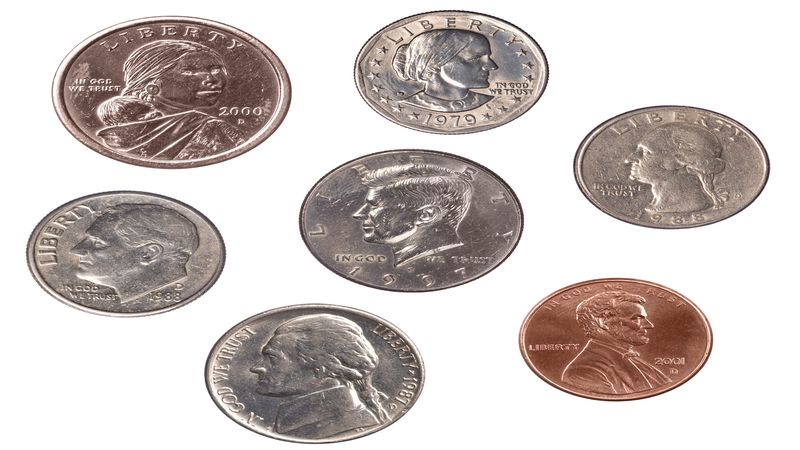
Hidden Benefits of Working With an Antique Coin Buyer in Nassau County for Appraisals
When it comes to appraising rare coins, many collectors and inheritors often underestimate the value of professional guidance....
Read article →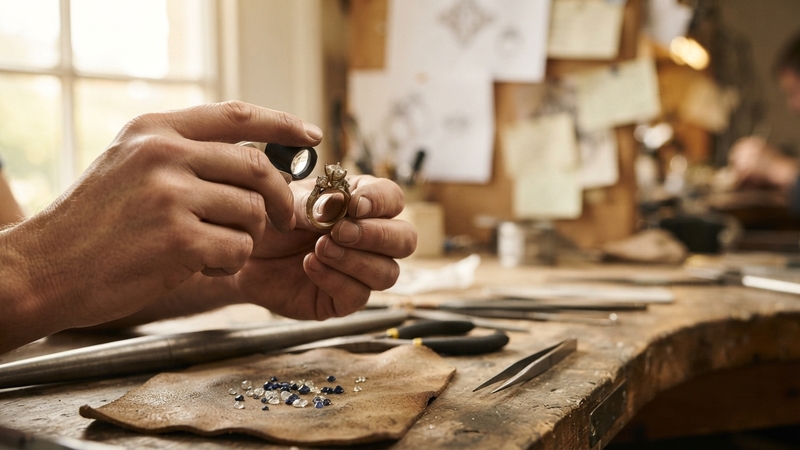
Key takeaway:
• Look for a jeweler that walks you through design visualization steps, such as sketches, CAD renderings, or wax models, before any metal is cut.
• Confirm whether repairs, resizing, and appraisals are handled in house, since this often signals broader craftsmanship capability.
• Ask how gemstone sourcing and material disclosures are handled, since federal guidelines require clear labeling of treated, synthetic, or simulant stones.
Choosing the right jewelry store for a custom design comes down to verifying the shop’s design process, craftsmanship transparency, and in-house capabilities before committing to a project. A store that can show you a clear path from concept to finished piece, rather than vague promises, is the one worth trusting with a one-of-a-kind item.
Custom jewelry is a different purchase than buying a ring from a display case. You are trusting a jeweler with your vision, your budget, and often a sentimental stone or heirloom metal. Greenville Diamond Gallery helps customers explore the custom jewelry process, from the initial design discussion to creating a finished piece that reflects their personal style and can be worn for years to come.
Evaluate the Design Process Itself
A trustworthy custom jeweler will not simply take an order and disappear into a back room. The process should be collaborative and documented at each stage.
Look for a shop that offers:
• An initial consultation to discuss style, budget, and any stones or metals you already own
• A visual step such as a sketch, CAD rendering, or 3D print so you can see the design before production
• A wax model or mockup phase for more intricate pieces
• Clear communication about turnaround time and pricing before work begins
Reviews of custom jewelry projects at Greenville Diamond Gallery describe a process that includes CAD drawings and wax models before a setting is finalized in platinum. Other customer accounts mention 3D renderings and 3D prints used throughout the design process to help clients visualize a ring before it is made.
Check Craftsmanship and Material Transparency
Material honesty matters as much as design skill. Federal rules govern how jewelers can describe metals and gemstones, and a reputable store should follow these standards without being asked.
The FTC Jewelry Guides set the legal framework for how jewelry, precious metals, and gemstones can be marketed and labeled in the United States, and they exist specifically to prevent deceptive claims about materials. These guides require accurate disclosure of treated, synthetic, or simulant stones so buyers know exactly what they are paying for. A shop that volunteers this information, rather than waiting for you to ask, is demonstrating the kind of transparency a custom piece deserves.
|
What to Ask |
Why It Matters |
|
Is the metal solid, plated, or filled? |
Affects durability and long-term value |
|
Are gemstones natural, lab-grown, or simulant? |
Required disclosure under FTC guidelines |
|
Can I bring my own stone or heirloom metal? |
Signals flexibility in sourcing |
|
What warranty covers the finished piece? |
Protects your investment after purchase |
Custom jewelry listed through Greenville Diamond Gallery comes with a lifetime warranty, and the shop states that customers are welcome to bring their own gemstones for a custom setting.
Confirm In-House Services and Support After the Sale
A custom design does not end the moment you receive the piece. Life happens: rings get resized, prongs loosen, and stones occasionally need resetting.
Ask whether the store offers:
• In-house repair and resizing, rather than outsourcing to a third party
• Appraisal services for insurance purposes
• A clear exchange or remake policy if a piece needs adjustment
Find Greenville Diamond Gallery on Google Maps lists jewelry repair, watch repair and servicing, appraisals, consignment, and custom design among its documented services. The business also states it will remake an item from scratch if a customer is unsatisfied, since custom pieces are generally not eligible for refunds once completed.
Compare a Few Options Before Committing
Even when a shop feels like the right fit, it is worth comparing at least two or three jewelers before signing off on a custom order. Pay attention to how each store answers questions about timelines, sourcing, and warranty coverage, since vague answers are often a warning sign.
A side-by-side comparison should cover:
1. How detailed the design visualization process is
2. Whether repairs and appraisals are handled in house or outsourced
3. How clearly the shop discloses metal and gemstone details
4. Whether the warranty or exchange policy is stated in writing
Jewelers who are confident in their craftsmanship tend to welcome these questions rather than deflect them.
Frequently Asked Questions
How long does a custom jewelry design typically take? Timelines vary by piece complexity, stone sourcing, and whether a wax model or 3D print stage is involved. Ask your jeweler for a project-specific estimate during the initial consultation.
Can I use my own diamond or heirloom metal in a custom piece? Many custom jewelers allow clients to supply their own gemstones or heirloom metal for a new setting. Confirm this option and any related fees before starting the design.
What should be included in a custom jewelry warranty? A solid warranty should cover craftsmanship defects and outline what happens if a stone loosens or a setting needs adjustment. Ask for the warranty terms in writing before finalizing your order.
Do custom jewelry stores also handle repairs? Many full-service jewelry stores handle repairs, resizing, and appraisals in house alongside custom design work. This can simplify long-term maintenance of your piece.
Selecting a jewelry store for a custom design is ultimately about trust built on process transparency, material honesty, and support that continues after the piece is complete. Taking time to ask the right questions before starting a project helps ensure the finished piece matches both your vision and your expectations for years of wear.
Keep reading
When it comes to appraising rare coins, many collectors and inheritors often underestimate the value of professional guidance....
Read article →
In an era where time is more valuable than ever, owning a watch that reliably keeps you on...
Read article →
Just about everyone has worn jewelry at some point in their life. Whether you wear it as an...
Read article →