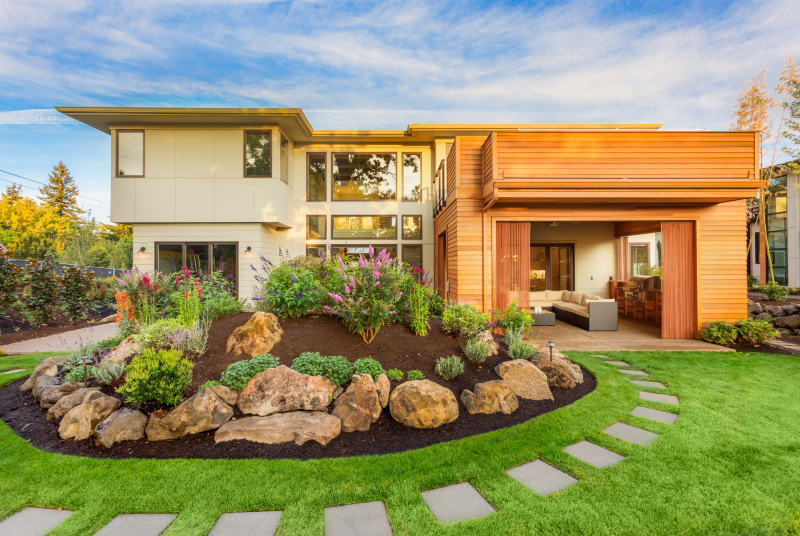
Transform Your Curb Appeal with a Trusted Landscaper in Edina, MN for Stunning Results
First impressions matter, especially when it comes to your home. The exterior of your property sets the stage...
Read article →Home / Landscaping / Article
Key point:
• Shifting, cracking, and weed growth in paver patios usually trace back to poor base preparation or drainage issues common in Spokane Valley’s clay-heavy soils.
• Routine joint sand replenishment and sealing can prevent most long-term paver damage.
• Choosing the right base material and edge restraints matters more than the paver material itself for durability.
Most paver problems in this region stem from freeze-thaw cycles and inconsistent soil compaction rather than the pavers themselves failing. Understanding why pavers shift, sink, or crack is the first step toward a patio, walkway, or driveway that holds up season after season.
Homeowners searching for reliable Hardscape Pavers installers are often trying to solve a specific issue: uneven surfaces, drainage pooling, or pavers that have started to separate after a hard winter. These are not cosmetic nuisances. Left unaddressed, they can lead to tripping hazards, water intrusion near foundations, and costly full-section replacements down the line.
Why Pavers Shift and Sink Over Time
Spokane Valley’s soil composition and seasonal freeze-thaw pattern put real stress on hardscape installations. When a base layer is not compacted to the correct depth, pavers settle unevenly as the ground beneath them expands and contracts.
Common culprits include:
• Inadequate excavation depth before laying the base
• Use of the wrong aggregate (native soil or sand instead of compacted gravel)
• Missing or poorly installed edge restraints
• Water pooling beneath the paver bed due to flat or improperly sloped grading
The USDA Natural Resources Conservation Service notes that soil permeability and frost depth directly affect how structures and surfaces respond to seasonal moisture changes, which is why base design matters as much in residential hardscaping as it does in larger civil projects. A paver system built on a properly graded, compacted base resists the heaving that causes uneven walkways and patios.
Cracking, Staining, and Joint Sand Loss
Cracked pavers are rarely a manufacturing defect. More often, cracking results from a vehicle or heavy load sitting on pavers rated for foot traffic only, or from a void beneath the paver that leaves it unsupported.
Staining and discoloration typically come from:
• Efflorescence, a white mineral residue that rises through concrete pavers as moisture evaporates
• Organic buildup from leaves, moss, or algae in shaded, damp areas
• Oil or rust stains from vehicles or outdoor furniture
Joint sand, the polymeric or regular sand between pavers, naturally erodes from rain, foot traffic, and freeze-thaw cycling. Once joints lose enough sand, pavers lose lateral support and begin to rock or shift under weight. Replenishing joint sand every one to two years is a low-cost way to extend the life of a paver surface.
Drainage and Weed Growth Issues
Standing water on a paver surface signals a grading problem, not a paver defect. Pavers should be installed with a slight slope, typically a small percentage grade away from structures, to direct water off the surface rather than letting it pool.
Weeds growing between pavers usually indicate one of two things:
1. Joint sand has eroded enough to let seeds take root in the gaps
2. The base material beneath the pavers was not properly compacted, leaving organic matter or soil close enough to the surface to support growth
Polymeric sand, which hardens when activated with water, resists weed growth far better than standard sand and is a practical upgrade during a joint sand refresh.
Repair Versus Replacement: A Quick Comparison
| Issue | Repair Option | When Replacement Is Needed |
| Minor sinking (1-2 pavers) | Lift, add base material, reset | Multiple pavers sinking across a large area |
| Surface staining | Clean and reseal | Deep stains that have penetrated the paver material |
| Cracked paver | Swap individual unit | Cracking across many units from base failure |
| Weed growth | Re-sand with polymeric sand | Persistent regrowth from failed base/fabric layer |
Most issues on this list are repairable without tearing out an entire installation, provided the underlying base is still structurally sound. Widespread settling or cracking across a large section usually points to a base failure that requires a more involved fix.
Frequently Asked Questions
How often should paver joints be re-sanded? Most residential paver patios and walkways benefit from a joint sand check every one to two years, with a full refresh as needed depending on traffic and weather exposure.
Can sunken pavers be fixed without replacing the whole patio? Yes, in most cases. Individual pavers can be lifted, additional base material added and compacted, and the paver reset level with its neighbors.
What causes the white haze on new concrete pavers? That haze is efflorescence, a natural mineral deposit that rises to the surface as moisture evaporates from the paver material. It typically fades with weathering and cleaning.
Is polymeric sand better than regular sand for paver joints? Polymeric sand hardens in place once activated with water, which makes it more resistant to erosion, insect activity, and weed growth compared to standard joint sand.
Pavers that shift, crack, or collect standing water almost always point back to how the base and drainage were handled during installation, not a flaw in the paver units themselves. Addressing these issues early, through proper re-sanding, grading corrections, or targeted paver replacement, prevents small problems from becoming full-scale project. For homeowners in the area evaluating a new installation or repair of an existing one, Broadway Landscape Supply supplies the paver materials and base products used in these types of projects throughout the region.
Keep reading
First impressions matter, especially when it comes to your home. The exterior of your property sets the stage...
Read article →
A beautiful, well-kept yard is more than just a source of pride-it’s an investment in your home’s value...
Read article →
A lush, well-maintained lawn enhances curb appeal and creates a welcoming environment for family and guests. However, achieving...
Read article →