
Furniture Stores Fort Collins CO: What to Look For Before You Buy
Fort Collins has plenty of furniture stores, from big-box chains to small boutiques. Choosing the right one can...
Read article →Home / Home Improvement / Article
Bottom line:
Homeowners searching for the right entry or patio door usually want one thing: a material that survives Gulf Coast weather without constant upkeep. The short answer is that impact-rated fiberglass, vinyl, and aluminum doors generally outperform traditional wood in Venice’s humidity and storm exposure, though the best choice depends on the door’s location, sun exposure, and your budget.
Because Venice sits directly on Florida’s hurricane-prone Gulf Coast,custom door installation in Venice, FL involves more than picking a style off a showroom floor. Wind resistance, moisture tolerance, and code compliance all factor into which material performs best on a given elevation of the home. A door facing prevailing coastal winds needs different specifications than an interior-facing garage entry or a covered lanai opening.
Sarasota County sits within a wind-borne debris region, which means exterior doors on many homes must meet stricter impact standards than doors inland. The Florida Building Code sets minimum wind-load and impact-resistance requirements for exterior openings in coastal counties, and local permitting offices verify compliance before doors are installed.
Fiberglass
Vinyl and PVC composite
Aluminum
Solid wood
| Material | Storm Resistance | Maintenance Level | Best Use Case |
| Fiberglass | High (impact-rated options) | Low | Front entry doors |
| Vinyl/Composite | High | Very low | Sliding patio doors |
| Aluminum | Moderate to high | Low to moderate | Large glass sliders |
| Solid Wood | Low to moderate | High | Covered, sheltered entries |
Choosing a door material is not only about appearance. Several practical factors shape which option makes sense for a given home.
Homeowners recovering from storm damage often prioritize impact-rated replacements first, since these doors are engineered to withstand wind-borne debris testing required under coastal building codes.
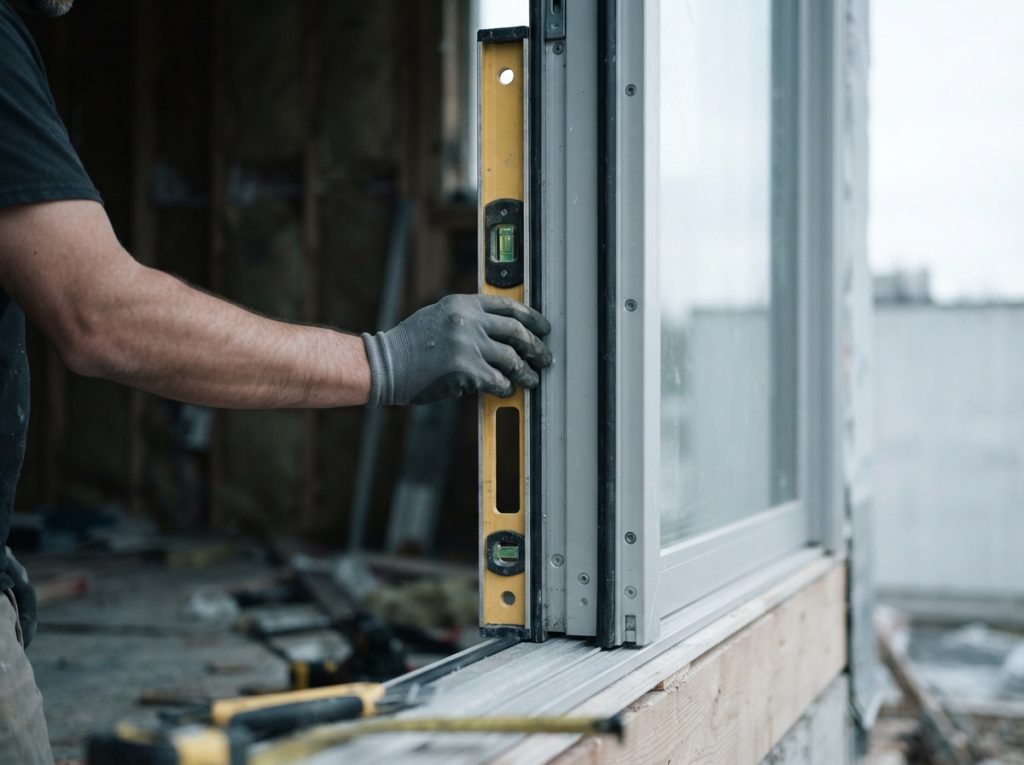
Material selection only matters if installation is done correctly. A door rated for high wind resistance will underperform if the frame is not properly flashed, shimmed, and sealed against water intrusion. Professional installation includes:
Skipping any of these steps can void manufacturer warranties or create leak points during storm season, even with a premium material.
What is the most durable door material for Venice, FL homes? Fiberglass and vinyl composite doors generally perform best against humidity, salt exposure, and wind-driven rain common along the Gulf Coast.
Do all exterior doors in Venice need to be impact-rated? Requirements vary by wind zone and local code, so it is best to confirm current specifications with your county building department before ordering a door.
Can wood doors work in a coastal Florida climate? Yes, but they typically need a covered or sheltered entry and more frequent sealing to resist swelling and rot.
How long does a typical door replacement take? Timelines vary by door type, sizing, and whether structural framing repairs are needed, so an in-home assessment is the most reliable way to estimate a schedule.
Selecting the right door material is one of the more overlooked decisions in a home renovation, yet it directly affects long-term maintenance, energy costs, and storm resilience. Homeowners weighing fiberglass against wood, or aluminum against vinyl, benefit from matching the material to the door’s specific location and exposure rather than choosing on style alone. For homeowners in Venice comparing options for an upcoming project, Chelle Renovate & Build can walk through material and code considerations specific to a given property before work begins.
Keep reading
Fort Collins has plenty of furniture stores, from big-box chains to small boutiques. Choosing the right one can...
Read article →
A successful tile project begins with planning that fits the room and how it will be used. Kitchens,...
Read article →
Enhancing your home’s exterior is about more than curb appeal; it’s a crucial investment in protection and longevity....
Read article →